I woke up with the feeling that someone was hitting me, and gosh, I was right. The day help of the family I am with was hitting me with a duster. What a way to begin the day! The matriarch might have chided her that she is not doing her job well, and she found a way to get her frustration out. Most days, she avoids me.
I felt let down, which is what I feel most days now, and think nostalgically of the long gone days.
There was a time when I was placed in the prime position in the living room. So that when guests came in, they would first see me, and nod their head reverently but surreptitiously, and acknowledge the social status of the family.
I was cuddled and cradled affectionately. I was shared amongst the family and their neighbours. I wore different colors, and in keeping with the trends, I became slimmer and slimmer over the years. I had my own status and importance.
One sound from me, and the family members, young or old, would come rushing. The youngers would outpace the older ones, but the olders would snatch me from them when at last they would reach me. In order to avoid this friction, the youngsters started placing dibs on who would pick me up, which usually got messy, so the olders would create a charter on who got to pick me up when. That did not help either, as I was so cherished, that I was usually picked up by the one who got to me the fastest.
Members of the family would love talking to me. They would spend hours and hours talking. I was the bond, the glue, joining family and friends, near and beyond, sometimes across the seven seas. Without me, life was unthinkable. With me, friends and families, felt safe to move out of their homes, and felt that the connection will still be there.
Most of the time, I was the bearer of good and prosperous news when the family, specially the younger ones would jump up in joy and scream and shriek, much to my amusement. But sometimes I had to share the sad ones, and the family would huddle near me and sit in sorrow. That broke my heart. At other times, the family members would stay hunched around me, waiting in anticipation for something.
When I would make no sound, the family would get frantic and move heaven and earth to just get a tiny trill from me. Oh my! The relief which would come on everyone’s face when I did.
I changed over the years too. Sometimes, the prime position in the living room, was not conducive for lovelorn hearts and I was able to move into the private domains of the bedrooms, for those cozy chats through the nights.
I changed and adapted and had highs for so many years.
But now, look at me, relegated to a dusty corner of a room, which no one ventures. Now when I make a sound, I usually startle people. They do pick me up with a confused look but that bond and connection which I brought in, that doesn’t come.
Sadly, I have been replaced … ☹
Do you know who I am? Do you know who replaced me? Do you know whether I would ever get my hey days back? Why don’t you type in the “Comments” section and let me know.
The independence day, 75th year, reinvigorated the spirit of patriotism, joy and pride across the country. Most of us proudly hung our Tricolour from our windows, balconies, patios, or wherever we could, to join in the festivities.
The Independence Day, 75 years back, had a very different atmosphere in our country, specially in the north-west and north-east frontiers, though. For people of that era, young or old, the word independence is synonymous with the word partition. While the first word brings in a sense of joy and pride, the other brings a shiver down the spine. For them, partition and the calamities that they faced far outstrips any joy they would have felt at that time. Children born into the homes, specially of Punjab and Bengal, have been told stories of horror and hardship along with tales of ingenuity and survival amongst the turmoil.
My parents’ families were not in these two provinces but the ripple effect were felt in the lands in between, and as very young kids at that time, my parents, specially my mother, has some stories and scenes, indelibly marked in her memories.
My mother was very young, just nearing school going age, when the country started trembling with the horrors from the two fronts. Being in Delhi, her family were in the midst of the storm. Refugees kept pouring in from the frontiers and bringing in stories of utmost horror, betrayal and hopelessness. Stories of neighbours stabbing each other, of looting and burning, of stealing and forcibly evicting properties, of humiliation, depravation and viciousness.
Not everything were reported in newspapers, but someone living through this time, remembers everything, even now. And so does my mother.
She was old enough to understand that things were horribly wrong, but too young to understand why or what. She did not understand why her mother would not allow her to play outside anymore or go to some homes which she frequented earlier. She and her siblings could not fathom why they couldn’t switch on any lights during the evening or be locked indoors during the day time.
Her memory is scarce about the sequence of events but she remembers what she saw and sensed and the palpable fear all around.
One morning she and her siblings woke up to a stench which they did not fully understand of what. There was black smoke bellowing from round the corner, right where the vegetable seller lived and had his vegetable stall outside his shack. My mother never saw the vegetable seller and his family ever again.
During the evenings, my mother would see her father getting ready to patrol the neighbourhood. He was no policeman, but it was the call of the hour. Every able-bodied men, would do that in turns. They would swath stoles or bedsheets around their heads and bellies, carry a stick and a lantern, dimmed just enough to see the ground in front, but not bright enough to attract any miscreants. These men would walk in groups of 2s and 3s as neighbourhood watch for a couple of hours and then turn in for the next set of men. If they heard any clamouring sounds nearing the area or sights and smells of burning, they would quickly alert the families to take shelter.
The shelter meant scurrying to another house which was surrounded by a huge boundary wall and thus was considered safer and where all the ladies and children would hurdle till all was clear.
There were many nights where families would have to rush for shelter and my mother remembers one very vividly, because of what she encountered.
My granny had just got the message of a rowdy mob headed their way and she hurriedly picked up the youngest and asked my mother to follow her and run with her to the shelter house.
My mother, half asleep, was doing just that. Running a step behind granny, she suddenly remembered that she had not locked the front door. She called out, but my granny, in that din and panic, did not hear her. My mother turned back, came back to her house and locked the door and then started running as fast as she could to catch up with granny. The mob was close by now and she almost ran into one man. She remembers a huge man, with a blood dripping knife and bloodthirsty eyes. That image is etched in her mind. She was momentarily stunned. The man didn’t stop, he had his own mission. My mother quickly came back to her senses and ran towards her mother, who was frantically looking for her. My mother was too shocked, and it would be days before she could talk to granny of what had happened.
At one time, my grandparents were sheltering wife and daughters of a colleague, as they were preparing to leave the country. As dusk fell, there was a knock on the door. The colleague’s wife blanched visibly with fear and fell to my granny’s knees, beseeching her not to open the door. She feared it was a mob and my granny would give them away perhaps. My granny was moved to tears and assured her that it was my grandfather returning from work.
There were many families who crossed the chaotic borders from the other side too and had moved in with relatives or were put up in refugee camps. One such family came to stay in the neighbourhood.
Stories of such depravity were told left everyone shocked. Families, who for centuries were neighbours and had taken part in each other’s celebrations, had not flinched a bit in stabbing, looting or evicting and seizing properties. It did not end there, there were stories of rape and other heinous crimes. On the other hand, there were stories of bravery and sacrifice as well, where neighbours would risk their lives to protect their friends. And stories of some families who walked hundreds of kilometres over rocky mountains, treacherous springs, swam through rivers, through rain, heat and cold, with little or no food or water, in search for safety.
The family, who moved in, had also travelled through such tortuous path, until they were escorted by a friendly military convoy and had finally boarded a train. But were stopped at many places and every time were questioned about their religion. They were held up in one remote place for 2 days and news came in that an earlier train was stopped, every passenger murdered, and the bogies set on fire. The family was lucky to have escaped and reach safety. The matriarch talked about how she hid gold in her mouth every time they were stopped. The younger females and kids were hid under the bunk and what used to be a two days journey took seven days. Each minute filled with anxiety and terror.
I have heard these stories often from my mother and now they are etched in my mind.
As that generation, who withstood this appalling horror, move towards their twilight years, I felt that such stories should perpetuate, through generations, not to rekindle the horror or hatred, but to keep the pages of history ripe, lest we fall for such depravity and moral destruction again.
This question came from bewildered twins from my neighbourhood who had decided to tap on my generosity to help them complete their school project due tomorrow. Ostensibly, to avoid the wrath of their parents who would have blasted them off for procrastinating for so long.
So it was affectionate Aunty M, with a laptop and a printer and time to spare!
As I was navigating through Google identifying suitable pictures to add to the now almost completed 10-page project, I was telling them, that during our time, we had to cut pictures from glossy magazines. We would also trade pictures amongst classmates because not all of us had magazines delivered to our homes or with the pictures we need.
That had astounded them!
Responding to their question, I said we went to the school library to gather data for our projects and sifted through large volumes of books to get what we needed. And then wrote our own essays.
“Library?”
“But how would you know which book to choose?”
“Well, if it was a History project we would go to the History aisle and start looking for books for the period we are interested in, likewise for Geography, it would be another aisle with books lined according to regions and so on.”
“Yes, but didn’t that take like the whole day or several days to figure out which book, which page, which para to get the information from?? I mean, you had to read many books to figure out what you need, right?”
“Yes it did. That is why in our times, we couldn’t afford to keep our projects pending till the last moment.” I said with as much severity as is appropriate from an affectionate neighbourhood Aunt. “We had to spend a lot of days and hours gathering the information we need. We were lucky if we got the material we want from the library or the pictures from magazines. If not, we would have to talk to the elders at home or our teachers and take copious notes. If we didn’t find apt pictures, we would have to draw diagrams and graphics on our own.”
“Well, you could have simply Googled and saved all that time?”
“Yes, dearies, but we didn’t have Google that time.”
“Oh no! how did you all survive?”
“How did you get answers to your questions??”
The questions started coming fast and furious.
“As I said, library, elders and teachers.” I responded
“Well, how did they know the answers? They couldn’t have known everything?!”
“Well, in those days, they did.” That’s the best answer I could manage. Well, actually Google wasn’t there to validate the answers, but I didn’t say that out loud.
“HMMMM”
“With no Google, how did you all cook?”
Change of track now.
“What do you mean? We cooked food like the way we do now, over cooktops or ovens. No change there.”
“Well, what about recipe? How did you all know what ingredients and condiments to put?”
“We had cookbooks?” Trying not to alarm them now.
“Cookbooks? You mean you had to read books to cook?”
“Yes, I mean, you didn’t always have to read to cook. The elders knew the recipe by heart. And even now you do read the recipe off Google to cook, right? Same, but from books, if need be.”
“Yes, but how did you all know what the ingredients looked like or how to wave the skillet and shake the pan and toss the condiments to get the perfect mix, without the cooking videos?”
“We didn’t have that and it didn’t matter. Most of the time, folks shared recipes amongst friends or were passed down from one generation to another and that is how most cooking were done.”
Ohhhhhh!
“How did you all figure out what to buy, at what price, which is the cheapest but the best quality and durable and long lasting?”
“We went to the market, visited several shops, and then selected what we need?”
Those were day long trips, going from one shop to another, looking at metres and metres of fabric and bargaining for the best price. Walking or mainly being dragged by the parent, from one end of the market to the other, in the quest of that perfect fabric, with no end in sight. If we did get that perfect fabric with the choicest blend of color and pattern, it was followed by getting measured by the tailor and then mother haggling with him to get the dress ready before the impending festival. These were not so happy memories for me. There was never ever a promise of ice-cream and very seldom would we get one. But here I seemed to be in a competition to show that we had a good life too, so I didn’t get into the details.
“Well, how did you all go anywhere?”
This time I knew what they were getting at.
“Just like you all do now, walk, bike or drive.”
“Yes, but how did you all navigate without Google Maps?”
“We had paper maps.” This didn’t sound so remarkable, so I actually showed them the small folded booklet which opened up to show the map of Delhi. They seemed very unimpressed, I presumed because the paper, once glossy, now looked yellow and tattered.
“Paper Maps will not tell you the Estimated Time of Arrival or the traffic congestions.”
“Also, you cannot possibly be looking at these paper maps while driving?”
“That is unsafe driving, just like texting and calling”, chirped the other one.
“Well actually, if we drove intercity, we did carry such maps around to help us navigate. Within the city, we managed by asking passers-by or bystanders, hawkers and the like, the direction.”
“How would these people know the direction without Google?”
“Because people actually looked around and noticed things more, and knew their neighbourhood, I guess. We have reached destinations never visited before, guided by so many of them. Never got lost”.
A pause. But I could see the whirring inside their little heads, as I braced myself for the next barrage of questions. What could that be?
“How did you know the weather forecast?”
This part was tricky.
“We didn’t. We got up each morning, looked at the sky to figure out how the day would be. Again, the elders in the family would sense the direction of the wind, and let everyone know, very accurately, whether it would rain.”
“But there was no way of knowing the weather if you were flying to a different city?”
“Well, no. But the seasons were not so erratic those days. So, in winters we would pack woollens and in monsoon, the umbrella.”
I could see from their questions and from their expressions, that I am not impressing them at all.
For them, a world without Google was incomprehensible.
I mean to do school projects, you have to go to the library and search for the most appropriate book and read and understand and then write with your own hands, the whole thing in your notebook? Isn’t it just easier to ask Google and then copy and paste relevant parts and paraphrase somewhat, to avoid plagiarism?
You have to read books to cook? And come on, you have to stop the car, wind down the window, and ask the hawker for the direction and even trust that they know?
As I zipped through the expressway at 90 kmph, with the mellow wintry sun on my face, my life seemed to be on a cruise towards a greater good. Just about the right number of cars on the road, no impediments of traffic lights or speed bumps, I seemed to be racing towards my goal, my office workstation with no competition and everything looking great.
It didn’t last long though, soon a black Skoda whizzed past me, changed lanes, and got in front of me. Fair enough, there is someone ahead and above me to hold me in my place and pace always. Happens in life and in work. But no, after entering my lane, the Skoda decided to slow down. And I had to brake to avoid the possible rear-ender. Ah, just like my career, you get comfortable in your position, you feel certain that you are racing towards that goal of making it to the next level, there comes an intruder in the shape of a new hire, to inject new flesh and blood and ideas and motivation to the crew who had perhaps become too complacent in their lanes. I missed seeing the Skoda creeping up in the other lane, I was not looking at the side or the rear view mirrors. Always a mistake not to pay heed to the subtle hints being dropped by the management or not mingling thoroughly in the grapevine. Maybe, I had got complacent or too sure of myself after all.
Lesson learned. Mirrors are there for a reason. Always be on the watch out for who is catching up with you or being shoved ahead of you.
Feeling rejected at being relegated to a slow speed, I decided to change lanes. I often have, when one lane has been obstructed, with so called fresh infusion of heads with new ideas, I change lanes. People do, so nothing wrong in switching over to a faster lane. For a while, I seemed have made the right decision and was able to even outpace the Skoda and get back to my zipping speed. No, I didn’t give that smug smile, which I had a mind to though
Not for long did it last, this lane also slowed down. And to my dismay, I saw the Skoda and all the other Hondas, Hyundais, Tatas, Lexus, Citroens, Marutis and Mahindras, zoom past me in the lane which I had switched from, while I stagnate in my choice of lane. My career is stuck again, this time I did this to myself.
But I trudge on, how many lanes can you keep changing, maybe the same fate will befall me in the next one too.
Muttering and clenching my teeth, I rally on. Not giving up and not heeding to the others on fast track in their lanes and careers. Everyone comes into the world with their fate predefined. Mine is to overcome all obstacles, more than the fair share necessary, I tell myself, thrown on my path and keep moving ahead.
Soon all the speed and brouhaha of others come to an end, as we reach what seems like miles of backed up vehicles. I edge my way around Hondas, Hyundais, Tatas, Lexus, Citroens, Marutis and Mahindras, two wheelers, buses, goods carriers, and inches by inches, I make my way again towards the front. Pushed by honks and pulled into the tiny gaps which appeared ahead, I finally, after which seemed like hours, reach the end of the traffic jam and find a clear unhindered path ahead of me.
One would think that now my career would again be on fast track. But no, as soon as I reach the front of the jam and give a sigh of relief, everyone else took advantage of the pathway I had created and overtook me and raced ahead, leaving me behind again in a slow moving lane. Now is that fair, granted that people behind and around me, encouraged me through constant honking to keep doing what I am great at, and granted that those ahead paved those tiny entry points, but shouldn’t there be a reward for me at the end. Or is it what I did is expected and I am supposed to selflessly lead others and let others overtake me and bear the fruit of my labor and I have to be magnanimous about it.
I finally reach my office. Car park full. Obviously. It was I who had created the path which all others took and raced ahead of me. I hand over my car and key to the attendant and head towards my goal, my workstation.
My colleague looks at me quizzically.
How come you are so late? I had seen you zip past me long time back. Did you take a detour? Did you go somewhere else?
No recognition, no reward for my toil.
Oh let me just stick to my lane and see where life takes me.
We crossed several hundred kilometers of flat land with meandering rivers. And suddenly breaking through the clouds, jutting out majestically, heralded the presence of the Paradise which we were about to descend to.
This was soon followed by the captain of the airship announcing that we are circling Srinagar and are about to descend.
I had never been to Kashmir and I looked as far away and down as possible. Waves and waves of mountain ranges, some capped with white fringes, others dark and solemn, and down below, still appearing dark green stood the city, famed for its lakes and gardens.
It didn’t take us long to get out of the airport, traverse through crowded bazaars and finally reach the gate from which we were to board a shikhara and go for our stay in a houseboat.
Both were a first for me—Kashmir and a Houseboat stay.
The Dal and Nageen lakes glistened in the mild sunshine and gently rocked the lines of shikharas. We boarded into one along with our luggage. It didn’t really seem very sturdy or safe, but it was exactly like what I had seen in movies. A large duvet like seat and a small narrow one. You can lie down on the duvet as the boatman slowly paddled his way towards the other bank where the houseboats were.
Our houseboat had 2 floors with exquisitely carved floral designs on its walnut wood walls. The furniture also bore the matching floral patterns. The houseboat overlooked the Dal lake which was bordered by the Zabarwan range on one side and the Shivalik hills on the other.
As I sat peacefully enjoying the hustle bustle, I was amused to see the intense commercial activities going around me. The shikharas were the carts and hawkers we see on our roads. I saw hawkers on shikharas selling every imaginable thing—cosmetics, jewelry, souvenirs, fruit, snacks, tea, coffee, drinks, flowers, winter and summer clothes, and one of them even called out to me for a foot massage.
When we boarded a shikhara for a ride, we were soon accosted by these hawking shikharas selling their wares.
During our shikhara ride, I spotted birds swooping in and deftly catching fish, unmindful of the bustling trade and commerce around. The lake is huge and there is enough for all to subsist. We crossed the floating Post Office, the only one of its kinds. There was also a floating commercial center built in the middle, displaying traditional Kashmiri clothes and carpets.
I spent the night in the houseboat. Sometimes feeling the gentle rocking but mostly sleeping soundly only to be woken up early in the morning by a kite screeching as he began his hunt.
Day 2
Post breakfast, we made our way to visit the ancient Shiv temple, built on top of a hill in the Zabarwan range. It was built in the 7th century. Though there has been evidence unearthed that it would have existed Before Christ. In the 8th century, Adi Shankaracharya had visited the shrine. We had to board a government bus which took us up the hill. We then walked uphill 900 meters and then climbed 275 steps to reach the Shiva temple. A tiny, temple, built of stones, typical of that age, but now being held together by scaffolds. From atop the hill, as we stood in line to enter the inner sanctorum, we could view all of Srinagar city, its lakes, gardens but mostly the densely populated houses, looking like miniatures.
A good bit of cardio and strength exercise with the up and down walk from the hill and we were famished and we devoured a sumptuous lunch.
While the morning was seeped with Hindu culture, religion and heritage, the afternoon exposed us to the grandeur of the Moghuls in the shape of Nishat Bagh.
A multi acre park built over seven steps on the slopes of the Shivalik hills. It overlooked the Dal Lake and just across we could see the domes of Hazrat Bal glistening. It was a pleasant weather and it felt wonderful to traverse the park across its seven layers, dotted with tall trees of walnut, pines, fir, birch and many others. The landscape is still maintained the way it was built 400 hundred years ago with numerous varieties of flowers, chief among them were the roses. I had never seen so many hues of red, yellow, orange, white, blue, purple.
We proceeded from Nishat Bagh towards Pahalgam which was going to be our night halt.
But on the way, we stopped at Pampore. This area is known for saffron. The only place in India where this is grown. Saffron is also grown in Iran and Spain but their variety, taste, colour are different. In India, it is grown as organically as possible, without much irrigation or any fertilizer. It flowers between mid October to mid November and the saffron fields are aglow with bright purple coloured flowers, the only visible part of the plant. These flowers are then plucked gently and its peduncles are removed one by one which forms the basis of Saffron. The expert who was taking us through the process told us that the plant is so delicate that it does not survive beyond the 20 odd kilometers of diameter of Pampore. Strange, is it to do the soil or the climate, didn’t get the answer.
Armed with few tiny, but expensive boxes, of saffron, we headed towards Avantipura where a sad story greeted us. The ruins of Shiva and Vishnu Temples, Avantishwar and Avantiswami, respectively. This again took us back to the 8th century when these temples were built by Maharaja Avantivarman, the founder of the Utpala dynasty. The Shiv temple was built in sandstone and both temples depict stone carvings of Hindu deities and stories on what is left as walls. But they were soon to be destroyed by Sikander Butshikhan, who systematically burnt and razed all the Hindu temples in this region. This event was also followed by nature’s fury, or was it agony, when the area witnessed intense earthquakes and flooding, adding to further destructions to the religious and historic sites.
We reached Pahalgam in the evening. The name Pahalgam has several stories behind it. Old Hindu myth says it was earlier called Balgaon as Shiva left his bull, Nandi here, before proceeding to the Kailash mountains. Another myth says that Pahal means shepherd locally and since herding sheep and goat are one of the main livelihood of the locals, it got its name.
Our hotel was next to the gushing Lidder river. A narrow strip of a river, but so ferocious, very strong current, gurgling noisily down, and meandering next to the highway, NH44.
Day 3
We started early next day, but not before freeing ourselves from local hawkers trying to sell us walnuts. We travelled alongside the gushing Lidder River, sometimes it flowed with strong currents and sometimes quietly like a shy bride, but all the time never far away from the road.
We reached Chandanwadi and walked up to the trail from where the Amarnath Yatra starts. There was busy preparation all around for the annual Yatra as it was just a month away. Chandanwadi had a strip of glacier but it was getting slushy. On the way to the glacier, many hawkers kept accosting us, some with local wares and others with global wares such as wafers and cold drinks, but as usual brisk business along the trail. A few wanted to place a rabbit or a pigeon or a kid (baby goat) on our hands and then pose for photos.
I wasn’t too impressed by Chandanwadi specially due to the crowd and the ice slush but our next stop Betaab valley was mesmerizing. This is where the film Betaab was shot and thus the name, but originally called Harjan valley. Getting plush money, the area was beautifully maintained, with tall fir and pine trees, dotted with several eateries, and the same gurgling river Lidder flowing, but much calmer. Maybe just relaxing in this peaceful surrounding, soaking it in, like we were doing, before its joie de vivre again. I went down to the river where it was very shallow. But one bare foot into the water and my head to toe froze. It was icy cold.
Keeping Lidder river as our company, we crossed Lidder Park and then reached Aru Valley. This had multi tier falls flowing down to meet Lidder river.
Three valleys, rushing streams of water, picturesque surrounding with flora and fauna brought an end to a very eventful day.
Day 4
We were heading out from Pahalgam today. We were going back towards Srinagar, where we will halt for lunch and then drive towards Sonmarg. The highway was dotted with apple orchards. We stopped at one and had fresh apple juice, squeezed from a freshly plucked apple. The roadside also had Walnut trees, with green fruit blossoming. There were tall Poplar trees from which pencils and incense sticks are made.
We stopped at a place near Pampore where cricket bats were manufactured from the local willow trees. We visited a factory where each step of manufacturing a cricket bat was demonstrated. It takes one whole year, right from wood selection to carving, chiselling and leaving it out in the rooftop for weathering.
We reached foothills of Sonmarg in the evening and called it a day. I was excited about the visit as there were options of pony rides, taxi rides taking us to the Leh Ladakh border and some dense snow.
The drive up the mountains covered with huge pines and fir tree was breathtaking, but I wasn’t too well to really enjoy it much. I took a taxi back to Srinagar to rest. That is when I discovered the immense hospitality of the local populace right from the hotel staff to the cab driver who took utmost care to ensure that I reached Srinagar and am well taken care of.
Day 5
After a day and night’s rest, I felt much better and didn’t want to miss Gulmarg. Passing Harimukh mountains bordering Tangmarg, we began our journey up towards Gulmarg. Again breathtaking and picturesque surroundings.
It was cloudy and we seemed to move in and out of the clouds, till we reached an altitude of some 8000 feet. We boarded an ATV which took us to the Gondola station. We boarded a Gondola and slowly started our ascent towards 11kt station. It started raining and soon there were splashes of thunder. Every time the lightning would strike, the gondola would stop.
That is scary but eventually reached the top. From there we could see the rolling hills, cloaked in snow and shrouded with clouds.
We headed down after having a blast and made our way to a cottage emporium.
It was time to feast our eyes with another Kashmir treat–Carpets. There was a time when every social class boasted of Kashmiri carpets in their living room, as they came in all shapes and price. With less expensive, machine made carpets, the natural handwoven carpets lost its sheen but not where I was sitting now. I was on a comfortable divan where carpets of sheer magnificence were being displayed and like them, my eyes glistened too. The carpets were made from mulberry trees, and as they aged, so did their price and sheen. While expensive carpets was not something I had budget for, I bought some local souvenirs like a woollen kurta, walnut jewellery box and paper mache boxes for keepsakes.
Our journey was coming to an end. The richness of this land, the natural beauty, the fauna and the cultural heritage, the good-natured and welcoming locals were very impressive. Only if the land was peaceful all the year round, we can keep coming back to know more, to see more, and imbibe more.
Day 6
I was up and ready the next day for our return. While getting into Srinagar was easy, getting out certainly is a time taking affair. The airport security is stringent and we had to arrive 3 hours early to comply with the measures. All for our good and resting on the shoulders of the jawans and the locals who tirelessly work to keep the guests safe.
It was as if the world was conspiring against me to keep me from going to Iceland. I had started planning for this trip in 2020 and something or the other, including the mighty coronavirus, put a spanner.
But at last, I could visit this land, which arose from the ocean, after a volcanic eruption. A tiny island of contrasts, where you can see volcanos and glaciers, active flaming volcanos and dormant ones, high mountains and deep gorges, icebergs and lava rocks, hot smoldering springs and frozen streams, gorgeous waterfalls and dry arid land, moss covered dark basaltic and granite rocks with oasis of lush green farms—nature in its bipolar extremes.
But to reach Iceland from India, we had our first stop at Helsinki. My co-passenger in the flight, a native of Finland, told me that I could do reindeer rides in the city center, and I actually thought he was serious but alas! The weather was rather unwelcoming, rainy, cloudy, misty, windy and very cold. But we have come so far, so a city tour is a must.
In the half day we had, we visited the Church of the Rock or Rock Church (Temppeliaukio kirkko), a Lutheran church in the Toolo neighborhood, built directly into the rock. It is fairly new and was consecrated in 1969.
The area of Toolo, in spite of the dreary weather, seemed sprightly, with multi-colored row houses, shopping plazas, twinkling streetlights, brignt neon lights, lightening up the place.
Dominating the skylines, and situated at a height, is the Uspenski Cathedral. Brick red and imposing, it is a Greek Orthodox church built when Finland was under Russian occupancy, during the reign of Alexander II.
Yet another church, Helsinki Cathedral, in contrast white with a green dome and perched atop 50 stone steps. Large statues of the 12 Apostles are placed on the apexes and corners of the roofline. This is an Evangelical Lutheran church. This is also known as Nicholas Church, after Tsar Nicholas I.
In front of the church, also known as Senate Square, there is a statue of Alexander II, who was much loved and during whose reign Finland had prospered.
The Senate Square is surrounded by the Government Palace, which houses the Prime Ministers office, Justice and other important government officials.
The Finnish were ruled by Sweden for many centuries and then came under Russia and finally was liberated in 1917. The foreign influence in the architecture is apparent. The older churches of Uspenski and Helsinki cathedral were built during Russian rule and they have been built on a higher land, facing Russia, their massive structure showing dominance over their Lutheran subjects.
Not just churches, we visited the Olympic stadium, Siltasari, house of the Parliament, and perhaps the most impressive one was the Central Library in Oodi. It is shaped like a double helix structure, built up to 3 floors. Stacked with books wall to wall. The readers are aided by a Robot, who can help us fetch a book on request. The library also houses a gaming room, AV room, recording studio, music room, sewing area, 3 D photoprinting, and many other items of general public usage, all free of cost except for the material charges. The place was crowded because it was a weekend but still so well maintained. It was heartening to see young children lost in reading books.
As we travelled through the rain and fog laden city, we saw the inlets of the Baltic sea, white and frozen as it neared the land and blending into the dark Prussian blue sea, as far as you can see through the mist.
One thing was amply clear, being ruled by Swedes and Russians in the centuries before, the Finnish country is rich in history and politics. But so is the passion to keep the Finnish language and native culture intact and thriving. I could see the sense of pride in nurturing the language, encouraging local produce and investing in propagating their distinct heritage, across the narrow strip of the country they are.
While the weather wasn’t on our side, the hospitality was unbeaten and as I left the next morning, trudging over the grounds laden with thick coat of crunchy snow, I promised that I will come back in a different season, when Finland is in its colorful glory, with its blossoming forestry and thousands of pristine lakes.
Kiitos Finland!!
So finally the next morning, we hovered over Keflavik, and I peered out of the window to catch a glimpse of this island, which had been so elusive to me.
Sadly, the sky was laden with clouds and even after the aircraft broke through them, the mist couldn’t let me see a thing. We landed in Keflavik amidst rain and mist and bitter cold winds.
Immigration clearance was fast and smooth and we boarded a bus to go to Reykjavik but the weather didn’t let me see much outside. Still playing hard!
Through the rain covered windows, I saw the lava rocks, granites and basalts, black soil, and complete lack of flora. Here and there stones were piled together in a pyramid form. That was significant as the Icelanders believe in Elves, and they believe that the elves live under these rocks. Children are taught never to throw stones for if an elf is hurt, he may hunt them down and kill them. Gross, but a good method to teach them safe practices specially when you have rocks and stones lying around in abundance.
As we neared the city of Reykjavik, we saw a mix of modern and old buildings. The modern apartments were about 3-4 floors only with balconies covered by glass. Interspersed amongst these modern structures were multi-colored Viking houses. The houses wore bright colored exterior which help in removing the gloom and dreariness of the long cold sunless winters. Later we learned how these Viking houses were built to insulate from the cold. The outer structure is aluminum, followed by wool or thermal materials, and then another layer of aluminum or wood. Just one entry/exit door and a small window. This is how the Vikings of the yore kept themselves warm over the harsh winters.
The city of Reykjavik, the capital, houses about 60% of the total of 380k population of this country. Coming from a country which has a billion of us, this is incredulously small!
Our first sightseeing was the iconic Sun Voyager. This was sculpted by Jon Gunnar Arnason. It is an ode to the sun and depicts the heritage of Iceland–its sea faring Viking ancestors who landed in this island, when it was still an unknown and undiscovered territory. Along with that, it is also a nod to the future of Icelanders, of their dreams and hopes.
This landmark overlooks the inlet of north Atlantic Ocean which is bordered by the Askjia mountain range. This mountain range protects Reykjavik from devastating sea storms.
Close to the Sun Voyager is the Harpa, a concert hall, with distinct glass façade with colors of the basaltic rocks in Iceland. On certain angles and certain light conditions, it gives reflections of the aurora borealis.
It is surrounded by downtown buildings like Edition, the only 5 star hotel, shopping centers, banks and private corporations.
Churches form a big sight seeing centers here too and the most imposing is the Hallgrimskirkja. It is a Lutheran church, largest in the country, atop a hill and a clearly visible landmark of the city. Its distinctive structure is the organ pipe like columns with a central spire.
Of interest was the large statue of Leif Erikson, the Norse explorer, who is believed to have set foot in America and is the real discoverer, a million years before Columbus. This statue was a gift by USA to Iceland. Never learnt about him in our history books!!
As we cruised through this tiny city, espying young and old structures, the sun continued to play hide and seek. But the rain and mist had cleared and we were able to soak in the bustling energy of this small town. It is an affluent city, going by the sizes of the cars and houses. Also hugely expensive as most agricultural stuffs are imported. It has a thriving harbor for fisheries and is lined by many tiny shops selling various kinds of lobster dishes.
Before we ended our day, we got an experience of Fly by Iceland. If that conjures an image of a plane ride above Iceland, it is close, but done virtually in 4 D. The theater, first took us through the history of Iceland and then a 4D rollercoaster ride with films of the highlands of Iceland with its majestic mountains, waterfalls, gorges with bountiful of animals and birds. The ride made me dizzy and I hoped that we could see as much in the lowlands we are visiting.
The next day started with a visit to the Rainbow street, laid out in honor of the LGBTQ community. On one end of the street is the Hallsgrim church. The street is flanked by many eateries and shops.
On the way, we were shown the Presidents house, a small nondescript building, with no security cover.
It was going to be a long day as we were to travel about 400 kms to reach almost the northern limits of Iceland to a place called Akureyri. This has about 10% of the population. It is a sea port and has a functioning airport which has services to Greenland.
Our first stop was a waterfall in Nordura river, the Glanni waterfall. In midst of lava fields, it appeared as an oasis, a 3 tier waterfall, bubbling and gushing merrily forward. The pathway to Glanni Falls was covered in slippery snow. The lake into which the waterfall was flowing was white, frothy with chunks of ice. Other than this bustling waterfall, as far as eyes could see it was snow all the way to the horizon, where the greyish sky just blended with the land.
Refreshed with this trek to the waterfall, we continued our journey towards Akureyri.
As we traveled the course of the 400 kms, I could see the landscape changing.
It was black and brown moss-covered rocks as we left Reykjavik. There were hills and mountains and the snow cover on the ground steadily increased. Here and there, we would see frozen lakes, but interrupted in between by a gushing stream, deep Prussian blue and turquoise green and suddenly getting lost under thick ice covers. Still no trees or shrubs but just dried moss on exposed lands. No habitation for miles and miles except few horse farms here and there. We spotted some horses galloping and cantering in some of the farms which did not have much snow cover. These had hairy hooves and lustrous manes, very different from the svelte ones I am used to seeing. Horses from Iceland are rarely if ever taken out of the country, and if done, for competitions or otherwise, they are not brought back. This is to prevent diseases.
I was awestruck at this frigid Martian but refulgent landscape and felt that coming in winter was the right choice to see Iceland truly covered in ice.
Akureyri was mostly snow covered as well. With the tiny city spread across several hills, with bright houses bringing radiance to the otherwise cold and dreary winters.
It was already evening by the time we reached our hotel, after a short stop at a shopping center street. Our hotel was surrounded by a wooded forest of birch and pine. I feared wild animals but was told the foxes are only found in the highland and rarely have they seen reindeer in their area. Rabbit and hare might be seen. The thing about Iceland is that the human civilization is only limited to the coastal areas, the lowlands. The highland or the central part is untouched, inaccessible, and is an area of high volcanic activity. The only way you can see it is through the 4D experience which we had earlier.
The tap water smelled of sulphur and I worried I might fall sick.
I slept with the curtains drawn apart. With my eyes fixed on to the little bit of sky I could see. I did not want to miss the Aurora Borealis. We are as north as we can be so maybe today is the night. It was a full moon night and the snow glistened casting an iridescent, white glow all around even at midnight. Not sure when I fell asleep but awoke with chirping of birds. It was still only 4:30 am but I have missed the northern lights. I started to get ready to what is in store for us today.
Our first stop was Godafoss, another iconic waterfall, with Norse like columns of water. It was said that the earlier Norse and Viking population were nature worshipers and were forced to Christianity by Norway rulers. The Icelanders destroyed their idols and threw them in the river and all of them collected at the bottom of this Godafoss waterfall. These columns of waterfall fell into a translucent cerulean waterbody which bubbled and gurgled but soon was swept under a mass of thick ice. The polar wind was at its peak and it brought the temperature several degrees below zero. But I was undaunted as I gawked at this scenic beauty and captured both in heart and camera.
From this picturesque fall, we headed towards Myvatn, a shallow lake amidst high volcanic activity. At this time, the lake was completely frozen with no way of knowing where it began and ended. This was surrounded by huge volcanic craters which too were completely covered by snow.
For a while it seemed I am in midst of a white desert with no living soul around. The strong gust of cold wind broke my reverie and we continued to our next stop.
This area always has high volcanic activity, and closeby is Namaskard, a smoldering mudpool emanating hot vapors and strong smell of sulphur. As we stood at the edges of this blistering mudpool, we felt the warmth but quickly dissipated with the howling cold polar winds.
Post lunch, our group gathered at Myvatn Sulphur bath. It was a wonderful and odd experience. While the cold sub zero wind howled all around us, we were standing in hot water of around 35 degrees and felt as if all our tiredness is melting away. Good things end so it was time to pull us out of this warm and relaxed bath and get back to our hotel before nightfall.
Like the night before, I continued my vigil of staring out of the window, unblinking. But maybe I did blink, as when my eyes opened it was morning again and I had missed the northern lights if indeed it did appear.
We checked out of the hotel and began a long journey towards a town Borgarness, which is towards the south of Iceland. Same changing landscape, with the sun shining brightly but to me it always seemed to be at the 4 o’ clock position. We stopped at a small town Bondhous. I bought a water bottle. The smell of sulphur from the tap waters had turned me off.
We were going to the Langjokull Glacier base camp. Langjokull is the second largest glacier in Iceland and named as it is “long”. From the base camp we undertook a 2 hour perilous journey on a monster truck to the Glacier to visit an ice cave.
By now there was a full blown snowstorm raging all around with zero visibility. It was the skill and perseverance of our driver Magdalena and the jovial guides which kept our spirit up. It took more than an hour to reach the ice cave. The ice cave was a wintry wonder with tunnels and small rooms carved in along with a chapel. I was apprehensive about the raging storm. It took more time to get back to the base time than it had taken to reach there. By the time we alighted at the base camp, I felt that we really had put our limb and life in danger today.
We continued our onward journey towards Borgarness and stopped at two other waterfalls, Hraunfossar and Barnafoss. The sun was out and it cast a beautiful semicircular rainbow.
Borgarness is another quaint coastal city. It is a harbor city with lights from the harbor and streetlights keeping the night away. I decided that in this condition, there is no chance of the northern lights, so slept peacefully.
Woke up in the morning and went out to breathe the pure scented air. It was drizzling slightly, but temperature was above zero degrees so felt comfortable.
After breakfast we headed towards two equally magnificent falls. The first one was Seljalandfoss. A massive, cascading, milky waterfall with a gusty drop from about 60 meters. The wind was so strong that as we stepped closer, I was completely soaked. The unique thing about this one is you can go behind the waterfall but the pathway was covered by slippery ice.
From this one to the next massive one, the Skogafoss. As if it tried to outdo the other one with a drop more than 60 meters and equally powerful, massive, daunting, yet with a rugged beauty emanating from the resplendent milky waterway. Here too I got drenched from the powerful spray.
Our next stop was the black sand beach. I had never seen a place displaying such natural ferocity with the gigantic, roaring Atlantic waves breaking on to the massive columns of basaltic and granite rocks and boulders. The wind seemed to play a role in increasing the viciousness of the surrounding by blowing so hard that I was getting pushed towards the sea, if I didn’t have someone or something to hold on to. The beach was layered with basalt deposits not the usual sand. Finding it difficult to stand erect against the wind, I felt that I was being pushed towards those massive waves which would soon engulf me and sweep me away. The roar of the monstrous waves and the screeches of the powerful wind was causing so much of din that conversing, standing, or even keeping our eyes open, was difficult.
We concluded our trip for the day. I have now seen the feral side of our earth. A blistering and blinding snowstorm and the cyclonic wind were enough to make me feel timid and humble in front of the force of nature.
We reached Vik, this is on the southern tip of Iceland. Here is where I had my tryst with the Northern Lights. I was trying to sleep, grateful that I survived nature’s fury, and back in a warm and comfortable confines when whoops of joy from outside revealed that Northern Light has been sighted.
Grabbing the woolens, I raced out and saw the beholding sight. But it was fleeting and disappeared as soon as you believed that it was indeed it.
It was so fleeting that I had to use my camera and click the pictures, with slow shutter speed and large exposure, to believe and make others believe that it was really there.
We were back in Reykjavik completing the circle. We learnt that there is going to be high chances of Northern Lights that night, and lo and behold, just 2 steps away from our hotel, the sky lit up with the translucent green lights. This time it wasn’t fleeting but was there for a long time.
We decided to go away from the city to the wilderness and reached a spot where there were many other tourist vehicles. It was a full moon day, the snow cast land shown in a bright silvery light and the trees stood silently with shiny silhouettes.
The tourist population was predominantly Asians. The temperature was -4 degrees and with Feels Like of -8 degrees but our enthusiasm had no bounds. We waited and waited but couldn’t see anything so started our journey back. But as we neared the city, the sky lit up again, this time with much more intensity. We had the bus stop and merrily clicked pictures and gaped at the colorful display. It is said that one is fortunate to see this natural event and now I do believe so.
Seeing this marvelous sight, I felt gratified. My lifelong dream realized and worth the trouble, travails and sometimes the arduous journey.
We had one more day to go and had still more places to tick off in our itinerary. But I was already feeling upbeat as if the vision of northern lights was all that I wanted ever.
We visited Pingvellir and Geysir and then Sky Lagoon in the afternoon.
Pingvellir is again an area of high volcanic activity and is a world heritage site. It is the place where we saw the Parliament, Althing, the oldest in the world, built in 930 AD by the Norsemen. The national park is in a rift and as you walk through one can see the layers of tectonic plates over the ages. A short distance from Pingvellir is Geysir, the hot spring. We saw several of them with white vaporous fumes coming out. I waited patiently and was rewarded with one of them suddenly bursting and rising 30 feet above ground and then fall back to be dormant for a while but still with smoldering white smokes.
Our final stop of the day was a waterfall Gullfloss. Also known as Golden Falls it is a 3 tier fall from river Hvita as it meanders through the arid land, drops sharply in 3 places giving a gorgeous view of a delightful scene.
In between we visited Sky Lagoon which we were told is a suphur pool from the waste water of the hydroelectric plant and underwent the 7 step process of purification. Plunge into the hot pool overlooking the Atlantic. Like Myvatn, this too was eerie, with cold wind blowing all around and me submerged in hot water. Out of the hot water was sun bath, cold water sprinkle bath, dab in moss extracts and then enter the sauna. Purified and freshened up guaranteed a peaceful deep sleep at night.
I bade goodbye to this enigmatic land, pleased that I could visit it in its wintry glory and grateful that I could see its natural charm. More importantly, my tryst with the Northern Lights, was the highlight of this journey and firmly etched in my memry.
The blaring sound of the TV with bejewelled wives sobbing or squabbling over each other.
The pitter patter of feet.
The non stop chatter over phone or with whoever would listen.
The wafting fragrance of incense around the house.
The silence, the stillness, the bareness is here to stay.
Deep Void
There so many things to talk about, so many things to share, so many complaints to make, so many cribs yet to be vented.
There are so many recipes to learn, so many things to buy, so many places to visit, so many photographs to show.
There are so many things to learn, so many experiences to share, so many questions to ask.
The emptiness, the void, the vacuum is here to stay.
But you are here!
Maybe the void is filled with your unseen presence.
Maybe you are the blossoming flower, the dew-soaked leaves, the morning mist, the fragrant earth, blessing me each day.
Maybe you are the chirping bird or the carefree squirrel sending your message to me.
Maybe you touch me through the sun rays, the moon light, the twinkling stars, I see.
Maybe you are the invisible hand which guides me to take the right path, which helps me fight my battles, which wipes my tears of joy, sadness, and remembrance.
Maybe you are now one with the earth where I lay resting my tired head.
Lokkhi Purnima expressed her exuberance on having me as her ride, by serenading loudly. She seemed to burst with energy and pride and overtook all her compatriots to show me her jungle mates.
Lokkhi knew how to pose!
Day 1
Some 6 days back, I had landed in Guwahati and had boarded an Innova along with other travel mates to go towards Shillong, our first stop. The weather was pleasant, cool November days, best time for outdoors.
On our way we stopped at the massive Umiam Lake, a large reservoir, with a dam at one end. The purpose was to generate hydroelectric power. Now the site serves as a tourist spot for water sports too as well as means for irrigation, fisheries, and drinking water. The gentle breeze, around the lake, surrounded by large, tall trees of pine and figs, with the water twinkling in the sun, reminded me of the views of Lake Brienz and Thun in Switzerland. Well, we have a spot in our country which is just like an international tourist spot!
Umiam Lake
I was already marvelling at the abundance of nature’s presence as we were winding our way. I only hoped for more, and man, was my wish granted?
Being Far East, the sun was already setting in the horizons at around 4 pm, when we reached Shillong. We were put up at Tripura Castle. This was built by Maharaja Bir Bikram Manikya, as a summer retreat, in the 1930s, enamoured by the splendour of Shillong,
Tripura Castle Heritage Hotel
I was awestruck at this luscious greenery, diversity of flora, the happy chirping of birds all around. All this seemed to be part of a different universe all together.
We were greeted with turmeric tea, which I had never had before, and felt energized. I was soon numbed by the cold. That was surprising, as I was used to this temperature and even lower.
Ah! But this is the cold from the pure unadulterated, unfiltered nature. I am used to cold in the city which comes through several layers of smog and several layers of brick walls. The wooden walls, high ceilings, breeze coming from the hills which we were surrounded by, through the large windows, made the place chilly, but not the least unwelcome. The lawns below glittered and there was a warm bonfire going on.
Being a quaint, small town, there was not much to do in the evening. Instead of blaring traffic, I heard few chirps occasionally and lots of crickets and saw a few fireflies. Standing by the window, I could see the city gleaming across several hillocks, but very peaceful and quiet.
Shillong view at night
We had an Indian dinner, very sumptuous, and retired early.
Day 2
While the evening view of the hotel had impressed me already, the morning had something more in store.
To me it seemed that each wing of this heritage hotel was on top a hillock, and we had to pass through lush green lawns, with large pine and fir trees at the edges, and beautiful, well maintained gardens, to have our food or when we were venturing out. There were battery operated go karts which we used sometimes.
I was fascinated by all the trees and plants around, all decked in dewdrops, seemed to sway and sing along with the melodies emanated by the birds. The lawn was moist with the precipitations and was a pleasure to walk on. The sky was azure in the centre, with few fleeting white clouds, and sapphire in the horizon. I could identify some of the trees—fir and pine and bamboo shoots. But most escaped my identification.
View from Tripura Castle
Post breakfast, we started off for sightseeing. While crossing the small city of Shillong, we could see many children, smartly dressed and walking towards their school. Soon the city limits were over and we were heading towards Bangladesh border.
As we left the city, we started crossing many of the hills and mountains, and saw few waterfalls off and on, and few indications of them, dried up as they are all rainfed. We were in the East Khasi hill region. The variety and diversity of the plants and trees still bewildered me. I saw some tall slim plants, which I mistook for coconut, but was corrected by the driver that those are areca nut plants.
Areca/Betel nut plants
There were so many different ferns, which I had not seen in the other hills I have visited and certainly not the outgrowths of bamboos, which seemed to tower over, standing out here and there. The sky would sometimes get laden with white clouds, and sometimes it would be bright. The fragrance was that of moist earth and many unknown varieties of flowers and leaves.
The good roads became bad and we could also see exploitations by our species, many of the mountains were getting ripped up and stones, coal, etc. were being collected to be shipped out. We saw evidence of some barren mountains, which had been stripped earlier.
The border roads were so bad that it took more than three hours, with a small break in between, to reach Dawki River, also referred as Umngot River.
The Dawki is in the West Jaintia hill region; this is the only time we leave the Khasi hills. The significance of Dawki River is that the water is crystal clear and that you can see the bottom of the river. While on a boat, you can catch a very clear reflection of the boat and the passengers, as in a mirror. Mostly it is true, but do not go by the photos in Google, they are photoshopped.
We did a 45 minutes single paddle boat ride. Wherever the water was less than 10 feet deep or so, we could see the rocky bottom but in the deeper parts we couldn’t. We went up to an area with several streams rushing into the river. The water was dark green, a reflection of the heavy foliage which it is surrounded by. We went below the rickety old, suspension bridge built in 1932, which we had crossed while reaching this place. We spotted few tribal women, perched on rocks and crevices, in the quieter parts, with their fishing hooks.
Dawki River
At the river bank, a line of boulders divided India and Bangladesh and a BSF jawan kept the Indians on the right side of the border. Over at the Bangladesh side, there were colourful tents, few of them with mikes blaring, selling biriyani and lunch for 60 taka or so.
The visit to Dawki, although fun, had taken up a lot of time, and we had to travel through the bad, bumpy, roads (or lack of) again to reach our next stop Mawlynnong village, renowned as the Asia’s cleanest village.
It does carry that credential well, but one thing I noticed, that so were all the villages we crossed. All of them spotless, no litters, no strays, well kept garden and porch.
Mawlynnong is a small village, although I would call it a tiny city, as the houses there seemed to be prosperous, and is home to about 400 Khasi families. We had lunch at a Mom/daughter shop and walked around this quiet hamlet. Vehicles are not allowed beyond a certain point. Most of the population were Christians. And as is the tradition in most Khasi villages, the inhabitants participate in cleaning of the streets and lanes.
Mawlinnong VIllage
We did some local shopping from the market nearby and then headed back to our hotel. It was already getting dark and the bad roads had required a change in plans, like dropping the plan to see the single decker living root bridge, nearby. I would have liked to go there but then what could you see in the dark.
Back to our very picturesque heritage hotel for the night.
Day 3
We are checking out today. We are on our way to Cherrapunji, or Sohra. I didn’t know of this name change. All the milestones and signages had the name Sohra, while I was on the lookout for Cherrapunji, and getting worried about how much more distance there is to be covered. But was told by the driver that it is called Sohra locally. The roads today are very good, well tarred and winding up and down the hills, some one way, some two ways, and as usual the breathtaking sceneries and the fragrance all around.
On our way we had few stops.
First was in Smit Village. There was the abode of the Khasi Queen. The Khasi’s are matrilineal and matriarchal society. While a matriarch is the head of the family, the assets and properties are passed down to the youngest daughter of the family. I liked that. Khasi’s are now about 65% Christians and the rest are animist. The conversions happened over the last century with English and Scottish monks visiting these parts. You can still see some remnants of Scottish touch, in the plaid materials which are widely used and sold here.
We visited the Khasi Queen’s tiny palace made of bamboo. The uniqueness is that it doesn’t have be any nuts and screws. It is surrounded by a field where the annual Khasi festivals are held with all in their traditional dress and headgear.
Queen’s abode
We then headed towards Laitlum Canyon. I have seen valleys, but such a deep canyon was a first. And its massiveness made me feel diminutive. Suddenly, there is a deep drop of several thousand feet, true to the literal meaning of the word “Laitlum” meaning “end of hills”
Down below we could see a river winding its way and few hutments on the slopes. It was miles and miles of deep gorge. Surrounded by lush green rolling mountains, running in parallel and one after the other. The mountains close by were dark green with some brown patches, the distant ones had shades of blueish green, blending into greyish blue and finally fading into the horizon.
As we stool at the plateaued top, feeling like top of the world, we could see far, far out in the horizon, with the undulating hills and with the earth curving beyond. The air so pure, sky azure, white flecks of cloud, here and there, sun so bright, but not scorching at this time of the year, and the breeze so clear and crisp. Sometimes, a mist would gather over the valley. We would see the sun rays trickling in through the clouds and the mist. This place has still not been encroached or exploited by humans and nature retains its eternal beauty and bounty, I was thinking of just building a small hut here and living the rest of my life, if that is possible.
Laitlum Canyon
There were many tiny shops on the way to the view point, selling corns, pineapple, momo’s and other eatables.
We stopped at a place called Misty Hills for lunch as the next stop. Away from the hustling and bustling and the quick service world from which we came in, we found the service slow but the food delicious. The place is known for their hospitality not for quick turn arounds.
With food in our tummy, we headed towards a waterfall called NohkaLikai. As we rode up the winding roads and up the hills, we saw the clouds hanging low. Sohra was true to its name and what we had read in our school books.
As we kept going, we were now on top of a plateau, and in some places, we could see the misty clouds, sweeping low and covering the roads and fields ahead of us like a white shroud and eerily creeping up on us. It was as if we were in a dreamland moving amongst cotton candies around us.
We reached the spot for the waterfall and trudged towards the viewpoint. We caught a glimpse of the waterfall, falling down into a bright turquoise coloured pool below. But it was a fleeting moment, soon it became covered by mists, just like a shy bride hiding behind a white veil. All we had was the sound of the waterfall beneath a thick blanket of fog. There is a very sad story related to this waterfall and I will not relate it here. Wikipedia has it.
Nohkalikai Fall
The area too was surrounded by shops selling local handicrafts. Notable were the cane products, cinnamon sticks, pepper, cloves and turmeric, both raw and powder. Woollen clothes, shawls, stoles were laid out as well.
Our final stop for the day was Mawsmai Caves, a sub-terranean cave system. There are many such caves in Meghalaya, whereas this one has been made a tourist attraction. These caves were formed over time due to erosion of limestone and gushing water. There are fossils also, if really one stops to explore within the cave.
It is a 110 feet long cave with stalactites and stalagmites, winding its way, with some places so narrow, that you have to crawl on hands and feet and squeeze to pass through. I followed a burly man, assuming that if he passes through, I would too. Some places in the cave were lit up, most others dark, and some areas had water dripping. There were huge rocks and boulders jutting out, from the ceilings, the sides and from the ground and you had to watch your steps, head, and ahead. All scary and adventurous, but it was worth it.
Mawsmai Cave
This area was also surrounded by tiny shops. A common theme seemed that they were all managed by women, and none would pester the tourists to buy. It is not indifference or disinterest; it is the way they are. Once you enter a shop, they treat you well and with respect and attention, but wouldn’t bother you, if you are just walking past or gazing around.
Getting dark again, so we drove towards our new stay for the next 2 days, the Jiva Resort. The resort was large, well lit, with a great ambience. We were all tired from the whole day travelling and had a quick dinner.
While walking back from dinner, I looked up, and was taken aback by the glittering sky. Took me back to my childhood days, where during power cuts in the evening and night, we would sit outside and count and name all the stars and planets and even see the milky way. I had completely forgotten about this sight, having lived in concrete cities and apartments since, where you are lucky if you see the moon. Did my best to recollect the names of the stars and constellation but I know that my memory is fading.
I fell off to sleep immediately but woke up in the middle of the night. I saw many glittering lights outside and I thought that my window might be overlooking a mountain and those are city lights. But when I woke up before day break, there were no mountains outside! Those glittering lights were twinkling stars in the sky. Oh my city-bred brain.
Day 4
I had got up early hoping to catch the sunrise at 4:45 am. I was pleased that the room gave an unobstructed view towards the east. The sky was already a medley of colours, red, crimson, lilac, magenta, blue. As if an artist is unable to make up her mind which colour to go with. I trained my camera and captured the sun rise beautifully. I have captured sun rise over sea sides and other mountains, but it never fails to captivate me. I am amazed at the canvas of colours, hours before the sunrise, spellbound as the tiny, red blob slowly raises its head, mesmerized as it comes to full circle and changes to a yellow fury, giving life and breath to every living being.
First activity of the day done. I was energized to find out what more is there.
Today the activity is to go to the Double Decker Living Root bridge. For that, we have to trek 2000 feet down, which is around 3500 steps, up and down difficult terrain. I was in high energy to go see this engineering skill of yore, by the Khasi tribesmen.
About half way down, my spirit and body, started waning. It was very tough. The surroundings continued to be splendid, but after more than 1000 steps, it was difficult to remain enthused with the surrounding. I stopped getting excited about the large colourful butterflies fleeting around, the scents of flowers, large spider webs, bird nests or the unknown variety of foliage around.
I was at the point of giving up, with the thoughts that going back all the way would be impossible. But my spirit came back rallying, telling me, that I have age and strength now, and moreover, I will not come back here before long, so off again.
While the spirit bounced back, my body didn’t and the rest of the journey became challenging. Now we were on a terrain, which was steep, sometimes going up or sometimes steep down. The steps, used by trekkers, were worn down, and disappeared in some places.
We came across a stream, and the only way was to jump across the rocks and cross a makeshift bamboo bridge. I wasn’t feeling adventurous anymore and dread was seeping in.
Way to Living Root Bridge
We now reached an iron bridge, which shook vigorously when we got on to it. Down below, several thousand feet, was a river raging. I didn’t wait to find out which river, my only intent was to cross this shaky bridge quickly, before god forbid, I plummet into that wild river.
With the bridge behind, there were few more hundreds of steps and steep terrain. Tourists who were coming back, gave us encouragement, that it is but few more steps and it is worth it. Finally, heaving and gasping, reached the site.
It was indeed something I had never seen before. It was a double decker root bridge. Built hundreds of years ago, these were built by tribes using aerial roots of Ficus plants. These roots are guided across streams and valleys, either through scaffolds of bamboo or cane, or sometimes through hollowed trunks of areca plants. As the roots lengthen, they grow in strength, and as long as the mother tree lives, the roots keep growing, and the bridge is functional. Matured bridges can carry the weight of more than 50 people at a time.
Double Decker Living Root Bridge
There was a small stream flowing down and we dipped our aching feet into the cold refreshing water. I was soon tickled by several tiny fish which I hadn’t spotted earlier. Oh! A foot spa!! A treat after the hard labour of coming here. Where the water was deeper, the fish were larger and all swarming towards all the feet dipped in.
Now the walk back. I would say determination, fear that I cannot be left behind alone in a jungle full of wild animals, and the hot bathtub back at the hotel kept me going. There were tonnes of encouragement from fellow travellers too, though. Whenever we would ask any of the local folks on how much more we have to climb, we would always be greeted by a cheery “1500 steps more”. Till the point we stopped believing and said that is the only number they seem to know. While it had taken almost 2 hours to reach the bridge, it took close to 3 hours to come back. But did it, it is a honour badge now, to boast to all and sundry.
Back in the hotel and a good hot bath, I was refreshed but acutely aware that my legs will be a mess the next day.
Day 5
And so it was, I woke up with aching body and stiff limbs. I exercised around the big lawn, hoping that movement will dissolve the lactic acid accumulation.
It was our day to checkout and head towards Kaziranga. It was a long ride, and 4 hours into the ride, my legs turned into logs. I could barely put one foot in front of other, I could not bend, sitting was terrible. I decided to distract myself from this distress and turned all my attention towards the surroundings.
The terrain and flora started changing. From the mountainous pines, firs and spruces, we were now seeing tropical trees of the plains, small tea gardens, pineapple plantation, cane and bamboo plants, and still lots of areca palm but oaks, ashok’s and banyans became a common sight.
As we neared Kaziranga, we could see snow peaked mountains. We had spotted these from Shillong as well. Those were the mountains in Arunachal Pradesh, some 8 hours away. They beckoned me and I left a promise that I will visit them soon.
After several pit stops, we reached Iora resort after dark. The Kaziranga National Park is in Golaghat and Nagaon districts in Assam, spread across 1000 square kilometres. We were to visit the buffer zones.
I could barely walk now, but managed to reach my room, after having to climb more stairs, woefully. My worry was that I wouldn’t be able to go for the elephant ride with this pain. But I have to, that is what I wanted to do all along, see the famed one horned rhinos with my own eyes.
Day 6
I couldn’t sleep due to this worry and the pain and stiffness, so was up at 3 am and decided to get ready. The ride was at 5:30 am. And I needed all that time to build my will power and resolve.
So the serenading call from Lokhii Purnima did lift my spirit. I managed to sit on her back. There were 2 benches on either side carrying 4 passengers. I felt no pain, as if her spirit melted into mine. She was eager to show me the one horned rhino’s and so was I, and oh, we saw so many of them.
These great beasts, with heavy armour of skins covering their body, were unruffled, busy feeding nonstop. We saw big bull rhino’s, mother rhino’s with babies in tow, all busy feeding, making up for a sleepless night, being watchful of predators. The cranes were close to the rhinos and the buffaloes, providing regular salon services.
Busy feeding
Lokhii would turn around and give her passengers from both her sides the premium view.
Most of the area was swamp and marshlands and few hillocks. I had heard that the hillocks were manmade to allow animals to move to higher grounds during floods.
We saw the rising sun, low lying mists over the small lakes and the sun coming out from behind a small hillock. The lakes were filled with lotus, water hyacinths and lilies. It was feeding time for the animals and birds. Numerous flocks of birds, rose from the scattered trees flying off to catch their daily worms. The lakesides were filled with cranes, egrets, herons, cormorants, horn bills. We spotted a few water buffaloes and several herds of deer. The elephant pathways respected the boundaries of the feeding animals and we watched and gaped from a distance.
The 50 minute ride was over too soon.
I wished Lokhii well and thanked her and her mahout.
We had a hearty breakfast and headed out to the Biodiversity park. The park is built over 6 acres of land and has a greenhouse with about 600 species of orchid, sourced from the hills of North East. We were given a guided tour by a young lady who took us through how the plants are maintained, naturally fertilized and pollinated. I got to see the insectivorous one, which I had read about but never seen before.
Insectivorous Orchid
The park also has a medicinal plant, bamboo and cane, fruit gardens and another greenhouse with cacti from around the world, notably Mexico or Burma. The museum of Assam’s crafts and culture, had the jacquard weaving machines on display, as also the history of the textile industry. A cultural show of Assamese performance of Bihu, Jumur and other folk dances was going on. We did some handicraft shopping and then it was time for Assamese lunch and Jeep Safari.
While Lokhii had taken us to the swampy lands, the jeep safari would take us far into the grasslands and woodlands.
The grasslands, filled with tall elephant grass, proved its name, as we saw a small herd of elephants suddenly emerging and crossing our path and soon disappearing in them.
Wild Elephants
In the outer edges of the woodland, we spotted hog deer, swamp deer, sambar herds busy feeding with their ears raised in high alert, to catch the slightest sound of danger, and be ready to dash and disappear into the woodland.
Swamp Deer
The woodland had broad leaved trees like pithraj, elephant apple, magnolia, figs, cinnamon, myrtles, siris, spider tree and many more. As we entered the wooded areas, it was suddenly cool, dark with the sunrays playing light and shadow, perfect setting for the reclusive ones to remain camouflaged.
We spotted many different kinds of birds, and without our guide’s knowledge, I would have not spotted or identified any of them.
Feeding ground
There were gaggle of geese and ducks near the bheels.
A black necked stork, stood on one leg, on the bank of River Diphlu, like a meditating ascetic, but actually patiently waiting to catch its prey. We spotted another black necked stork atop a tree. This one too, sitting very still.
Patience brings rewards
There were adjutants and horn bills near too.
Co-existence
We spotted a fish eagle with its prey still in its beak, partially hidden in the branches.
Fish Eagle
Rhinos, several of them now, near the lakes, or the grassland, or disappearing into the woodland.
Grazing on
A monitor lizard, blending so well with the tree trunk it was peeking out from, appeared like a statue.
Monitor Lizard
Water buffaloes with their very menacing horns.
Water Buffaloes
The Assamese macaque were seen fleeting across branches.
We crossed through several bheels and in one of the larger ones we show a family of turtles sun bathing on a broken tree trunk perched atop the water. We spotted an otter in one of the canals we crossed.
Turtles
A wild rooster, with its colourful plumes, strutted across our path, pecking the ground for insects.
Wild Rooster
The anthills, we saw, were as tall as an elephant.
Our safari driver, showed tiger claw marks on some of the large trees we crossed. All the time I was on the lookout for a tiger. But it was difficult. The sun casted a striped light and shadow through the foliage, and any tiger, if present would have camouflaged very well. If they were there, they would be hiding in the woodland and grassland and wouldn’t venture out in the noise.
Good things end to soon, and after a one hour safari, we headed towards the exit gate and spotted the same elephant family which had earlier crossed our path.
The exit gate had statues of 2 adults and 1 baby rhinos. The scripture said that in 2021, a stockpile of rhino horns were consigned to flames by the then Governor of the state, sending a signal to those involved in illegal trade and poaching and to demonstrate that rhino horns do not have any medicinal values. The ash was used to build the Rhino statues.
Rhinos made from ashes of poached horns
I was overwhelmed at what I could see, all the time, acutely aware of how little I know of flora and fauna of my own country, and how deprived I am from all of this by living in a city.
We do have greenery in our cities but they lack varieties and the trees and plants are mostly dust laden and drooping. There is abundance of pigeons but where is the diversity of birds such as crows, cuckoos, parrots, sparrow, or shawls.
The journey came to an end, with me enlightened about a world, so different than mine, and left with an aching feeling that as mankind we are really pushing the limits of our ultimate nurturer, mother earth.
Sheryl Sandberg’s “sit at the table” resonated soundly in my brain when I first read her book and remained stuck. Over the years, I heard many great leaders and allies speak of finding our place at the table, and if not, make the table.
Metaphorical sometimes as although many of us would be seated at the table many times, but the challenge would be different, though not uncommon. That of either getting our voice drowned by others or worse not being confident enough to voice our thoughts.
That led me to think of our first tryst with the table.
It starts when a toddler is able to sit at the dining table independently and partake food along with the rest of the family. That becomes part of the routine of dining together be it breakfast, lunch or dinner.
The relationship built at the table and with the table becomes defining moments for the years to come.
How congenial is the atmosphere when the family is eating together?
Are each one of them deep in their thoughts, head bowed, more interested in their gadgets (earlier newspapers) and not even looking at each other?
Or are the elders in the family talking to each other and chiding younger ones for interrupting?
Is anyone in the family getting a preferential treatment for food or always getting the opportunity to share their thoughts or maybe speak over others?
Is everyone in the family given a moment to share their opinion, their experience, feel heard, comforted? Anyone in particular being ridiculed often?
Or do families even dine together at all?
These deep seated memories of our formative years make us who we are when we are at the table in our adult lives or trying to be seated at the table.
Memorable, encouraging, familial and motivating experience gives us the confidence to take a seat at the table and speak up, while quite the opposite if we are subdued or overlooked.
Today is Paris outing day, a city which is deeply romanticized. When I think of Paris, I think of fashion, perfume, art, of exquisite nature, beyond my reach. Now, I get to see this city first hand on what it really is.
Mood dampener alert:
Here again we were warned of massive traffic jams and pick pocketers. What is on your back (your backpack or backpocket) is not yours, we were told. That worried me. I planned to stay close to the group.
Paris is 10 km wide on either side of Seinne river and is designated as Right Bank and Left Bank.
Our first stop was the Eiffel tower. A massive expanse of wrought iron lattice work standing at 300 meters height. It had an observatory which added another 30 meters. Even before we got off in front of it, I could see it playing hide and seek beyond buildings as we moved through the city.
We had to traverse through long snaky security and ticketing lines before we could make it to the elevators which took us to the second floor for a view of the city of Paris. It took us about 1.5 hours in total which we were told is way less than 4-5 hours it usually takes. So lucky us! Like everywhere else, Indian tourists outnumbered every other country.
Eiffel tower
We got a glimpse of the Paris city, its old and new buildings, the church spires, the cathedrals and the modern glass facades. I had been to topmost floors of One World Trade Center in New York and some other tall buildings and it was a similar experience, except that this is Paris, where folks come for the romanticism of old times blending with the new, with the city limits falling off our view in the distant horizon.
View from 2nd floor of Eiffel Tower
After coming off Eiffel tower, it was time for a city tour.
The first prominent structure was the Arc de Triomphe which honors those who fought and died for France in the French Revolutionary and Napoleonic wars, with the names of all French victories and generals inscribed on its inner and outer surfaces. Only the victories are mentioned though. Beneath its vault lies the Tomb of the Unknown Soldier from WW1. It is a symbolic gesture in honor of all the unidentified soldiers who had died fighting for France. Earlier this Arc was the site for military marches and victory parade, but after this interment, any kind of military victory parades have been avoided through the arc.
We also witnessed placing of a wreath and the rekindling of the flame at the Tomb of the Unknown Soldier. This takes place at 6:30 pm every evening since 1923. This is performed by one of the veterans’ associations and on that day, few school children were leading the march carrying wreaths.
Arc de Triomphe
It has a marked resemblance to our own India Gate and we were told ours is a copy. Well, we inherited that from our colonial days so maybe it is. We stood near the Arc admiring its structure, though we were deterred by the chaotic traffic around, to move freely.
The Arc is on the western end of Champs-Elysees, which is the 1.9 km long famous avenue lined by cafes, theaters and outlets of leading, luxurious fashion brands. I had heard of this street so much, and here it is, but can I be bold enough to enter any of these luxury stores? Only movie stars go in, is what we are told. I had a different mental image of a gorgeous, extravagant, full of pomp and show about this place. While it is gorgeous, it still had that feel of an old world charm but wearing todays fashionable trends.
On the other end of this avenue is the Obelisk of Luxor, at the center of the Place de la Concorde. This Obelisk was an official gift from Ottoman Egypt in 1830 although the French had tried to bring it over since their Egyptian conquest. The site selected for its re-erection was where the guillotine of King Louis XVI and Mary Antoinette had taken place. The obelisk glittered in the sunshine proudly emanating its Egyptian inheritance, amongst all the curvy shaped, with its linear precision.
Obelisk of Luxor
Closeby is the Jardin des Champs-Élysées, a public park with the Grand Palais and the Petit Palais across. Both the Palaces are centers of exhibition halls and museums depicting French republican glory in art and culture. There are numerous museums in the city, perhaps just museums, monuments and galleries. Apartment blocks were few, most lived in the suburbs. Affordability is the chief factor.
We were soon crossing Les Invalides which is a complex of buildings containing museums (yes again!) and monuments on military history of France. The main section is a hospital for injured warriors and a retirement home for war veterans and thus the name. It was commissioned by Louis XIV in 17th century. The complex also has Dôme des Invalides, the tallest church building in Paris at a height of 107 meters, with a glittering dome you can spy from a distance. It is the final resting place of Napolean and few of his family members.
Les Invalides
The Champs Elysees area is connected to the Invalides section through the Alexandre Pont bridge which is an ornate, arch bridge spanning Seinne. It has winged horses, nymphs and cherubs and was built by Nicholas II, after the Franco-Russian alliance. It is one of the many bridges joining Right and Left Banks but perhaps the only ornate one.
Alexandre Pont Bridge from Right Bank
The church of St Marie Madeleine stands at a focal point surrounded on all four sides by columns in the Corinthian style. It looked desolate perhaps trying to retain the image of repentance and shunning all glory.
Church of Marie Madeleine
We stopped by Colonne Vendomme. This column was built by Napolean to commemorate the victory of Austerlitz. It is believed to be built from the bronze plates of the captured canons. Its green body was in stark contrast to the grey and beige colored buildings around.
Colonne Vendomme
The Paris Opera House or Palais Garnier stood majestically in one corner but it was covered up as it is going through massive restoration.
Louvre museum was not to be missed and is known the world over as the National Center of art and culture and yes, hosts Monalisa. To spend time within the museum would mean staying in Paris for months, so we satisfied ourselves by looking at the inverted pyramid.
I caught a glimpse of Notre-Dame cathedral from the Eiffel tower, a medieval Catholic cathedral dedicated to Virgin Mary and is an example of French Gothic architecture.
The last thing on our list was to see the illuminated and sparkling Eiffel Tower in the evening. We reached Trocadero on time for the sight. Trocadero is a place across the Seinne from the Eiffel Tower. At 10 pm, 11 pm and 12 am, it sizzles and is a sight to behold. We were there to see the view at 11pm.
Sparkling Eiffel Tower
Well the day after is our departure, so we took full advantage of our Paris tour and night views before ending our day.
On the day of our departure, we had a choice to visit the city again. I had Seinne river cruise and a visit to the Louvre in my bucket list. But didn’t venture out, because of the traffic jams and reputation of mugging and thuggery. Instead spent some time at Aeroville, a mall near the airport. The mall had major international and local brands not much different than what we have in India. I was accosted by a lady who wanted to find out whether I am happy in life. Instantly on my guard, I told her politely that I do not need her help.
This trip had been rewarding, rejuvenating and educational for me.
Looking back at the Europe trip, I would rate the Alpine mountain experience the highest and very bewitching and quite different from any I have had so far. I would want to go back to those mountains or similar ones anywhere in the world and spend some more time.
I have visited all the tourist spots of these European countries, but what remains to be done is to go back and spend some quality time savoring the art, culture and cuisines of the places.
We are checking out and heading towards another country but first the city of Cologne or Koln, spelled locally.
Enroute, we boarded a ferry for a Rhine River cruise in Bingen in the Koln-Dusseldorf route. We traced the undulating Rhine as it flowed between cantons, overlooking hills and few dilapidated ghostly castles. In spite of commercial settlements on both sides, the water was pristine, and the trip gave us a break from the continuous bus ride. I went up the upper deck, to capture the river flowing past and to sample a few tidbits from the tuck shop. The ferry was moving fast and that made my hair blow out in all directions.
Rhine River cruiseSpotted a castle by the side
Came down from the upper deck, to the confined lower deck just in time as we ended our cruise at Bacharach, and with the Rhine river on our side, we were back on our bus for our journey to Koln.
Koln is the largest city of the German western state of North Rhine Westphalia and the 4th most populous city of Germany.
The massive Koln cathedral dominated the landscape as we entered the city. It is the tallest cathedral in the world with its extremely tall spires. The best way to view the spires is probably to lie down on the pavement, or otherwise you risk spraining your neck trying to push it back and look up at the immensely imposing structure.
This city was destroyed almost 60% in WW2 due to persistent bombing by the Allied forces, but some old structures, like the cathedral, had survived. The Koln Cathedral is a Gothic church, started in 1248, and completed in 1880, and from 1996, it is a designated World Heritage building. The cathedral has the shrines of the Three Kings or the Three Wise Men and is one of the most visited religious sites in Europe.
Koln Cathedral
The famed tall spires of the Koln Cathedral
We roamed about the city, by the side of the river, the souvenir shops. The weather was nice. It was a public holiday in Germany that day so the streets had less traffic and most could be found in front of the cathedral where a mass was going on. This city had been ruled by many different colonial powers over the years but it was and still remains a city of art, culture, science and literature. It has many museums and galleries, which you cannot possibly visit if you are on a 1-day trip.
Koln is also famous for Eu de cologne, the famed perfume, since the 17th century.
The souvenir shops were mostly run by Middle Eastern and Asian population. A lunch at the McDonald’s across the cathedral, which I considered safe as I felt I will know what I am buying and be able consume it fully.
Now we are headed towards Brussels, Belgium.
This time there were no border formalities and we crossed into Belgium mid-afternoon and were in the outskirts of Brussels soon. Our Slovakian driver, who was adept at intercity, inter-country driving, faced his match, the traffic jam. He had to navigate through narrow streets, over tram lines, deftly avoiding trampling any pedestrians or cyclists. On both sides were glass facades housing important buildings of the European Union. Some streets were so narrow that I wondered how could two gigantic buses cross each other without colliding with buildings or the cars parked on the sides. We deboarded near Cathedral of St Michael, Pentagone, at last.
St Michael’s Cathedral
From there we walked to the Grande Place.
The Grand Place in Brussels is steeped in history and dates back to 11th century. It is the central square of Brussels, surrounded by gilded Baroque guildhalls and the Townhall. The square is thronged by these illustrious buildings, cathedrals, and the King’s Palace which now is converted to a museum, and with many diners and souvenir shops on the pavements. The roads are of paved stones and from the center you can walk into each of the narrow alleys and visit the multitude of local commercial establishments. There were sketch artists and painters who could do a profile of you. You can choose to walk around the area or cycle around. Mostly run by locals, there were a few Asian, and ofcourse Indian run shops too. One of the streets were interesting as it had the local chocolates and ice cream parlors on both its sides. As I was loitering around, I had entered one of the chocolate shops, with a mouthwatering collection, but when I sampled a piece, I didn’t like it much. So good for my wallet, didn’t end up buying.
The Grande PlacePanoramic view of the hustle bustle in the Grande PlaceAnother angle of the Grande Place
The Grande Place was crowded and we were warned of pick pocketers, so I was extremely cautious.
It had been a long day so after the Grand Place we headed towards our hotel on the city outskirts, Wavre town. This hotel had airconditioning so thankfully I could sleep well with the windows tight shut.
Day 5
Our day started with a tour of Mini Europe. Brussels being the administrative headquarters of the European Union, it has a theme park with all the important monuments of Europe built at a miniature scale of 1:25. It represents about 80 cities and 350 buildings. In between are interactive train, trams, cable cars and ship. There is a piece of Berlin wall as well.
Just behind the Mini Europe was the Atomium. The Atomium was built in 1958 during World Trade Fair hosted by Belgium as a tribute to scientific progress and to show its engineering skills. It has 9 stainless steel spheres each interconnected. It was not dismantled after the Trade Fair and continues to pull in visitors even today. The spheres host exhibit halls and restaurants and provides a panoramic view of the city.
Atomium
We were off to the Grande Place again for more history lessons and to see the Mannekin Pis. It is a tiny statue of a child, which I could have missed easily, if a ceremony had not been going on around it. There are many legends surrounding its origin which dates back to the 15th century. All about a naked little boy urinating, thus saving the city from either a fire or by defying the onslaught of enemies. The statue had been stolen many times and the original is placed in the Brussels City museum and a replica has been placed for public display in Rue du Chêne/Eikstraat and the pedestrian Rue de l’Étuve/Stoofstraat. It is a symbolic mark for Belgians and their self-derisive nature. There are ceremonies held with the figure dressed up in different costumes from all over the world. I witnessed one such ceremony where the statue was unveiled and folks threw coins towards it, while chanting and whistling. I stood at the outskirts of the crowd, bemused at the frenzy. The crowd was getting thicker and I became wary and quietly exited to walk towards our bus.
Now we are off to Paris.
We reached the border of France in record time, but Google showed some disturbing update. There was a traffic pile up as a road construction was going on and it took us an additional 2 hours to enter France.
Got tired of sitting in the bus for such a long duration of time, the scenery outside was also not impressing me anymore, exhausted probably, but I rallied on.
I watched what seemed to me kans grass which had grown in the intersection, just like wild weed. They seemed to play merrily in the strong wind blowing outside. Staring at it I felt that a recital of a ballet dance was going on with the grass swinging rhythmically in one direction and then suddenly pirouette due to a fast moving vehicle swinging them to another direction. That is how I whiled my time, looking out of the window, and wishing I was a grass with nothing to worry but just dance away.
Instead of the planned Paris city tour, we opted to go and checkin to the hotel and call it a day. The hotel was near the Charles de Gaulle international airport, good rooms and airconditioned so rested well.
The sun sets late in the evening, somewhere around 9:30 pm and sunlight starts appearing somewhere around 5:30 am. And I was up. Filled with excitement, getting my winter clothes out again, for we are off to Jungfraujoch.
We crossed those marvelous countrysides once again and our first halt was at Interlaken. A town between two massive lakes, Lake Thun and Lake Brianz. The lakes skirted around hills and were enormous water bodies. But there were many locals who were kayaking and rafting.
Lake Thun
While pointing out places of interests, our tour manager led us to a statue of Yash Chopra, a small bronze colored statue, and a lush green field were the shooting of DDLJ took place. Did I mention, that on top of Mt Titlis also, there was a cutout of Shah Rukh Khan and Kajol, wooing the Indian visitors?
Well, I have been drawn to this place because of its natural beauty, not because it had been patronized by Yash Chopra, who had been designated as a Cultural Ambassador for Switzerland. But proud to see a mark of India in this far off place.
I could see many paragliders jumping off the cliffs and floating and descending on to the field we were in. Just behind these hills, I could see a glimpse of JungFrau where we were off to next.
The Valley but can’t wait to get to the mountain top
We reached Grindelwald Terminal, and boarded a large open cable car, which could take in 15 passengers and slowly made our way up 10,000 feet. Mesmerizing surroundings once again! One had to take a long train journey to reach the heights earlier, before these cable cars were built. That would have been awesome too feasting your eyes with splendid natural glory. The strong cables comforted me. I could see the trees below, swaying, but couldn’t feel that motion while we gently went up and up.
Many said Jungfrau and Titlis are similar. Well they are both Alpine peaks, but I found a rugged beauty true to its name, which means Young Lady or Maiden Saddle. The height is more, the snow was more, and sites to see were more.
We reached a place called Eiger and came to a train station, from where a cogwheel train would take us to more than 11,500 feet. We were told of the marvels of the cogwheel train, the visionary behind it and the effort it took over the years to blast through the mountains and create the track.
It was Adolf Guyer Zeller’s idea to blast a tunnel through the rocks of Eiger and Munch (the other peak) and build a cogwheel railway track to the top of JungFrau. It couldn’t be achieved in his lifetime. The construction started in 1896 and finally the railway opened in 1912. During its course of construction, the company faced many hardships of financial crisis, labor shortage and strikes, casualty of labors due to the high-powered dynamites. But work had continued, perhaps due to the determination and the support of locals too, who could see this as a means to attract tourists. Eventually and now, it is the highest railway line and station in Europe.
Soon we were at the top, the Top of Europe, as it is called. And the massive expanse of snow and mountains, some swirling glaciers, combined with ‘don’t mess with me’ beauty left me spellbound. And when we finally deboarded the train, we were escorted to a restaurant called Bollywood. Indians and Indian business everywhere!!
It was cold and the glass façade of the restaurant was covered with snow at many places. We could also see some ice melting and falling off from a height and there were some places which were marked as out of bounds.
Since we were told often that at that height we might experience some dizziness or breathlessness, my Apple watch started sending out warnings that my heartbeat had accelerated. I did feel rapid heartbeat, whether it was excitement or the high altitude, I do not know, but my spirit was undaunted. We went to the Spinx observatory, in a high speed elevator which took us to the top in 27 seconds. There too was a cliff walk which we used to see the surrounding Alpine range, the Aletsch Glaciers and the other dominating mountain peaks. We moved out into the snow and felt the icy air on our faces, the snow crunching as our feet sank beneath. It was an effort to walk, maintaining a stooped posture to manage your center of gravity so that we don’t fall and skid off to somewhere deadly.
We spent several hours in the snow, in the Ice Palace, and the museums and shop and it was time to make our journey back the same way we came up. I felt small and humbled at this natural abundance of thick snow, jutting black rocks, some swirling points, and deep valleys when you look down. One would revere and fear at the same time.
The swirling glaciers atop JungfrauThe sheer amount of snow and rocks, beautiful yet not for fainthearted
Day 3
Winter clothes packed off, as we are now going to visit places in the plains and the temperatures will be moderate. We checked out of our hotel in Ofringen and will be going to Germany.
On the way we halted at Rhine Falls, next to the town of Schaffhausen, in Northern Switzerland. Many would say that when compared to the lofty falls of the hills, this pales in significance.
But Rhine Fall is a fall on the plain, formed by erosion-resistant rocks, on the path of Rhine river, some 14-17,000 years ago, towards the end of Ice Age. It has its own distinctiveness and attractiveness, and we could go as close as possible with our boat and then be pushed away and out due to the sheer force of the water tumbling from a height of about 75 feet. In the summer months, the force and volume of water is higher.
Rhine Falls with its unique beauty
Once off the boat ride, we were shown an Indian shop selling Samosas and Masala Tea, but that is not why I have come here so I pass.
Excited! We are off to the German border. It was with a bit of trepidation too, as images of WW2, brown-cladded, machine gun wielding German soldiers killing indiscriminately came to my mind. But nothing of that sort. We entered Germany and the landscape beauty continued, though I noticed that the fields are not that well pruned as those in Switzerland. The folks we met throughout our journey were all smiling, helpful and cordial though.
Our first stop in Germany was the Black Forest. The place were Black Forest pastries and Cuckoo clock were conceived. It is situated in the German state of Baden Wurttemberg. The name Black Forest is because the forests used to be so dense that the sunlight wouldn’t reach the ground. But a lot of deforestation is happening now.
Woodcarving and glassblowing are traditional handicrafts of the region and we saw some exemplary evidence of both. We were shown how cuckoo clocks were built over the centuries. It was to sustain the farming community over the winters and harsh climates. The earlier clocks were large in size but with exquisite wood carving. These had to be wound several times during the day. Gradually that advanced to weekly, monthly and now in the age of battery, the cuckoo clocks requiring wounding are precious antiques. I bought a battery-operated one as a keepsake but it has stopped working.
My Cuckoo Clock
The site were we offboarded was a decent one with few shops, yes, you guessed it right, an Indian origin diner was there too. We tasted an original Black Forest pastry seeped in rum.
A rustic escapade to witness several centuries old traditions
We spent a good amount of time, before proceeding towards Heidelberg our next stop in Germany.
Heidelberg is a city also in the German state of Baden Wurttemberg, situated on the river Neckar. It is known for its reputation as Science, Arts and Literature hubs. It has been known as a center for Arts and Literature for centuries and in the Heidelberg University, Sanskrit is taught as a subject.
There is the dilapidated Heidelberg castle on top of a hill. The rest of the city flaunted the old European structures of cobbled pathways and baroque architecture but alongside some modern buildings.
Heidelberg Castle
The city had the look of a small university town, with many students cycling or gathered together at the end of their day. The sides of the roads sprinkled with bookshops or souvenir shops, and eateries.
It was evening, though the sun was high up, but it was time for the shopkeepers to call it a day. In all of Europe, the shops are closed by 6:30pm and eateries by 10 pm. Family and personal time are important to them.
From Heidelberg we headed towards our hotel in Russelsheim. Many hotels in Europe do not have air conditioning and this one was such. It was already past 10 pm, but still light outside. I kept the windows open and one opened into the balcony. My balcony was at a jumping distance from the next room. While a gentle breeze flowed in and it was quite pleasant, I had trouble falling asleep in an alien place with windows open.
I had been trying to go out for a solo travel for a long time. But the world conspired to put a dampener on it. Two years of Covid and then a personal setback made me feel that my travel plans are jinxed. So when finally, I was off one morning jet-setting towards Europe via Middle East, I pinched myself to believe it was really happening. An anxiety struck me that the plane might catch a snag and fly back to Delhi, but nothing of that happened and the jinx was finally broken successfully.
Never one to take a window seat on flights, I had purposefully taken one in this 7 hour flight from Muscat to Zurich, to see how the scene below changed. And it didn’t disappoint me. While mostly it was a cloud cover, I was thrilled to see some snow-capped mountains jutting above the clouds after we crossed West Asia and the edges of Black Sea.
On the way to Zurich, over Eastern Europe
As we neared Zurich I stopped myself from falling asleep and wanted to see this country first hand, first time, as to why everyone is mesmerized about this place.
As the plane started hovering, all I could see was multi-hued green patches. Well into the evening, there was still a fair amount of sunshine. The fields of light and dark green patches surrounded by hills which wore a rather dark brocade. As we descended further, I found that those are dense forests of fir and pine. The country has already impressed me from high above.
The immigration check was a breeze and once we were on our way to Oftringen on our chartered bus, I felt that I am back in the United States. That is how everything looked with the driving on the right handside of the road, with the building structures and the names of multinationals plastered. I hoped it still held enough charm to bewitch me in the following days.
Day 1 in Switzerland:
The next day was a trip to Mt Titlis, of which I have heard from so many folks back home. I was overjoyed that I get to stamp my footsteps on it as well. The journey to Engelberg from Oftringen was superb. While the cities looked all the same, the countryside was a whole different world. Majestic hills and lush green farmlands. Everything primmed, pruned and polished to greet the flood of visitors this summer. Even the roadside weeds seemed to have some sort of pride and would get offended if we called them so. Everything shone and glittered in the hues of blue sky, white snow caps, flecks of white clouds, and lustrous shades of emerald green as far as the eyes can see. The cottages were small specks, colorful, surrounded by bales of hay. It might be a luxury to live in on of those for life, I thought.
Going towards Engelberg to view Mt Titlis
We reached Engelberg and proceeded to board a cable car or what was referred to as Gondola “Titlis Express” which could take 6 passengers at a time. It took us to Stand via Trubsee. Trubsee is a station used by the local population. It might be heavenly to stay on top of this picuturesque mountain breathing clean air.
The mesmerizing surroundings continued to enthrall our eyes but our ears joined in to enjoy the scenic beauty. What we couldn’t hear from inside the bus, we heard now, the loud but melodious tinkering of bells. Where could it be coming from? And then we identified the source, the cows grazing below wore bells and that was the musical sound that accompanied our journey up. Even with so many cows and horses grazing, there were no trace of litter anywhere.
Going up Mt Titlis
At Stand, we boarded a cable car, Rotair, which provided a 360 degree view. It was manned by Pasang. Could he be from Nepal? May be, as he greeted all of us with a Namaste. Not surprising, as more than half of us on the cable car were from India. While my eyes soaked in the gorgeous beauty around, I dared not let go off the bars to take pictures, we were already 6000 feet up!
We finally reached Titlis Gletcher.
Mt Titlis stood majestically, covered with deep snow, jutting rocks and glaciers, at 1 degree Celsius temperature. The sun provided the warmth and our excitement kept the temperature up. We hiked up to the top not minding the rapid breath or heartbeat and went to the 100m Cliff Walk. A suspension bridge, which gave us a view of the surrounding Alpine peaks, snow covered, the valleys below and just the magnificence of it all.
Mt Titlis in its snowy glory
We also got into the Glacier Cave, an ice cave were the temperature is maintained at -3 degrees celsius, and it is a meandering tunnel with ice sculptures on both sides.
After an hour of fun and frolic on the snow, innumerous photo clicks, it was time to look for refreshments. Tucked high up there was a restaurant where we gorged on pizza and fries and drink and walked towards the station to catch our Rotair back. As we headed down, you cannot possibly avoid the thought of a tear in the cables and the car hurtling 8000 feat down. But these are some engineering marvels with no accidents till date. From the Rotair, we boarded the Titlis Express again, and really wanted to deboard at Trubsee and visit the turquoise colored lake we spotted on our way up. The lake’s color kept changing as we descended from blue to green to turquoise as if beckoning us to make that call of descending in Trubsee against our tour manager’s direction. Unfortunately, we didn’t, and reached Engelberg and headed towards Lucerne, spelled as Luzern locally.
We were dropped off near Chapel Bridge, locally called the Kapellbrücke. It is a covered wooden footbridge spanning the river Reuss diagonally. On the other end is the St. Peter’s Chapel and thus the name. I had never seen a diagonal bridge so far. The bridge has a number of interior paintings dating back to the 17th century, although many of them were destroyed along with a larger part of the centuries-old bridge in a 1993 fire. Today, this bridge is a symbol of Luzern. Surrounding the bridge were thousands of tourists, and guess what, Indians outnumbered every other country.
Kappel Brücke
We walked to the Lion Monument depicting a sleeping lion with a sword plunged. This commemorates the Swiss Guards of the King of France, Louis XVI, who were massacred in 1792 French Revolution.
Lion’s Monument in Lucerne
We whiled our time at the crowded Rathasqui, shopping and idling around the lake Lucerne. Birds can be the same the world over, a duck came towards me for food.
Area around Lucerne Lake and Kappel Brucke
Ducks will be ducks; by the side of Lake Lucerne
We boarded the bus back to Oftringen, with a tired and satisfied smile on our lips, for a day well spent and an excited anticipation of what the next day has in store.
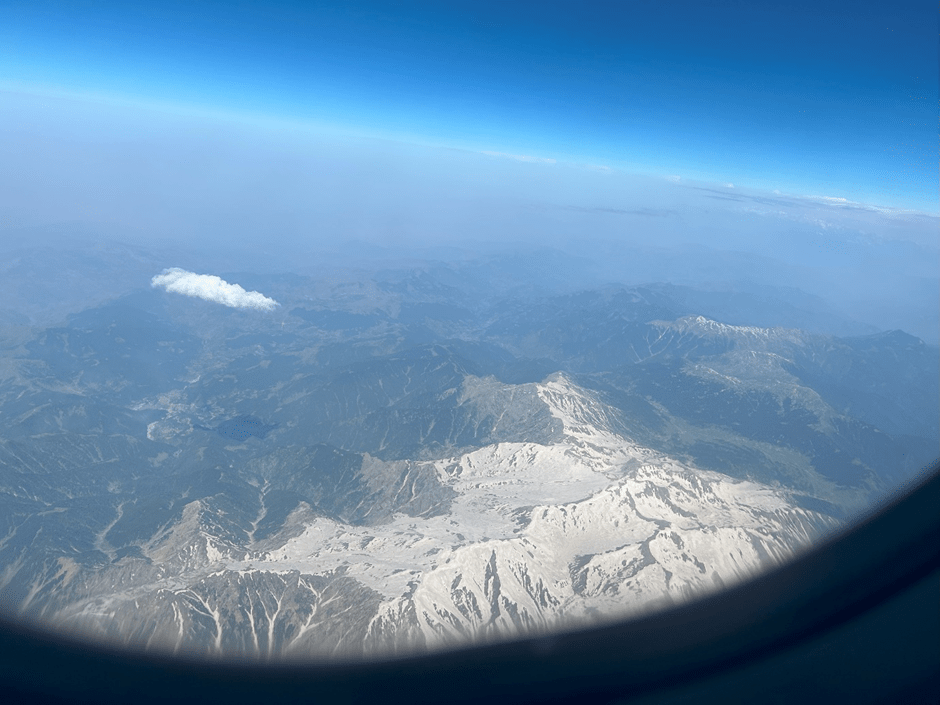
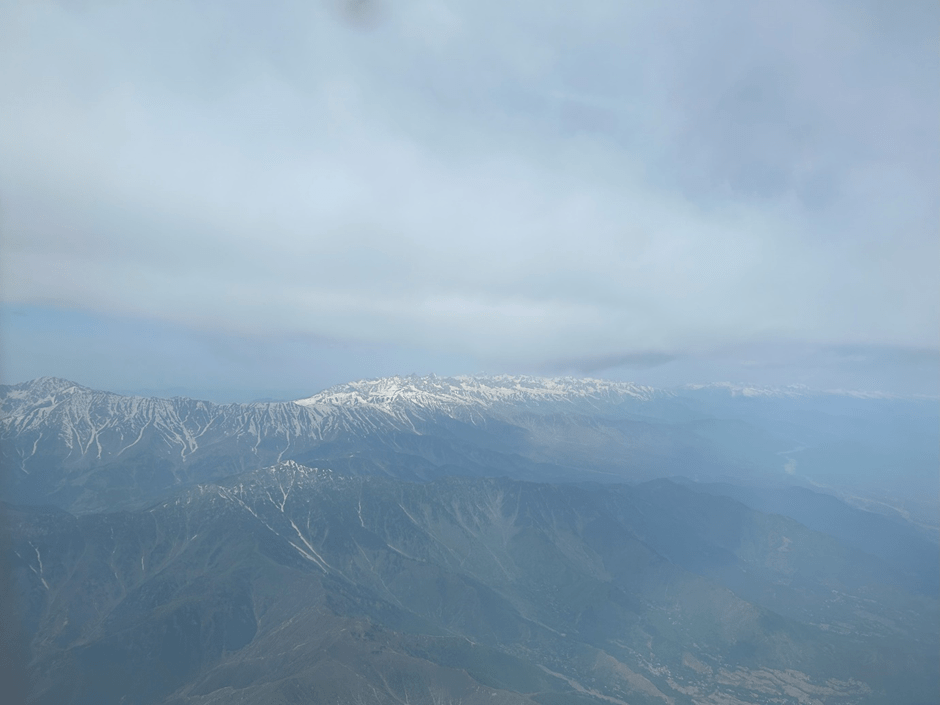
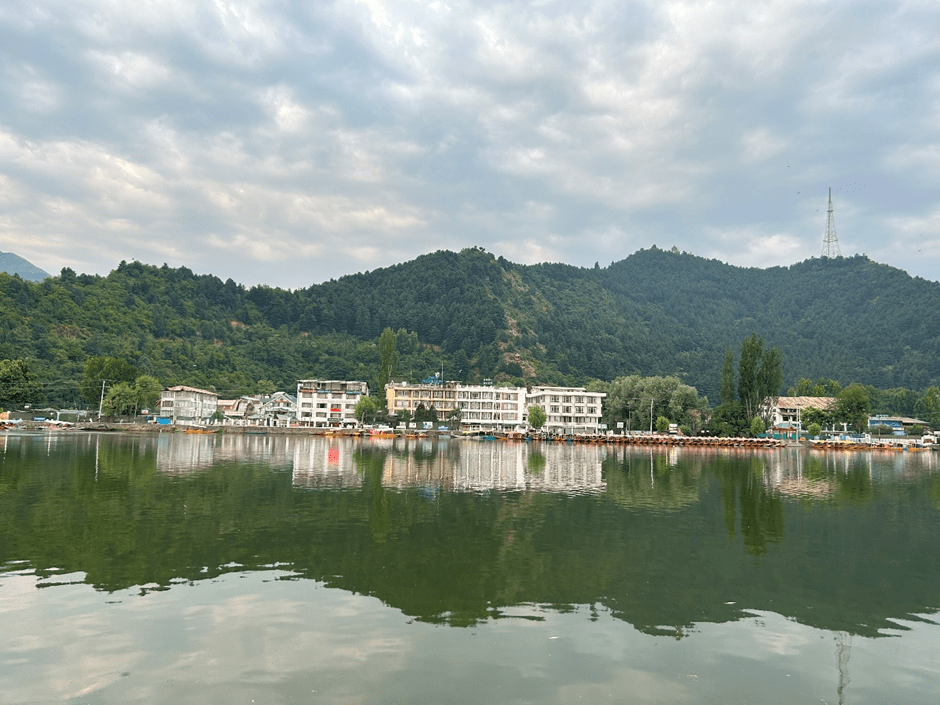

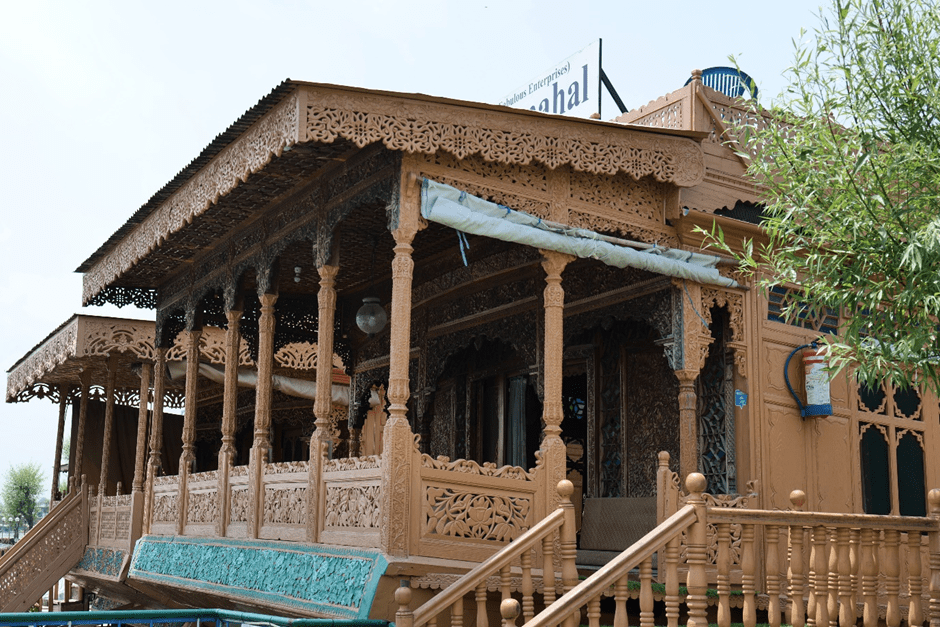
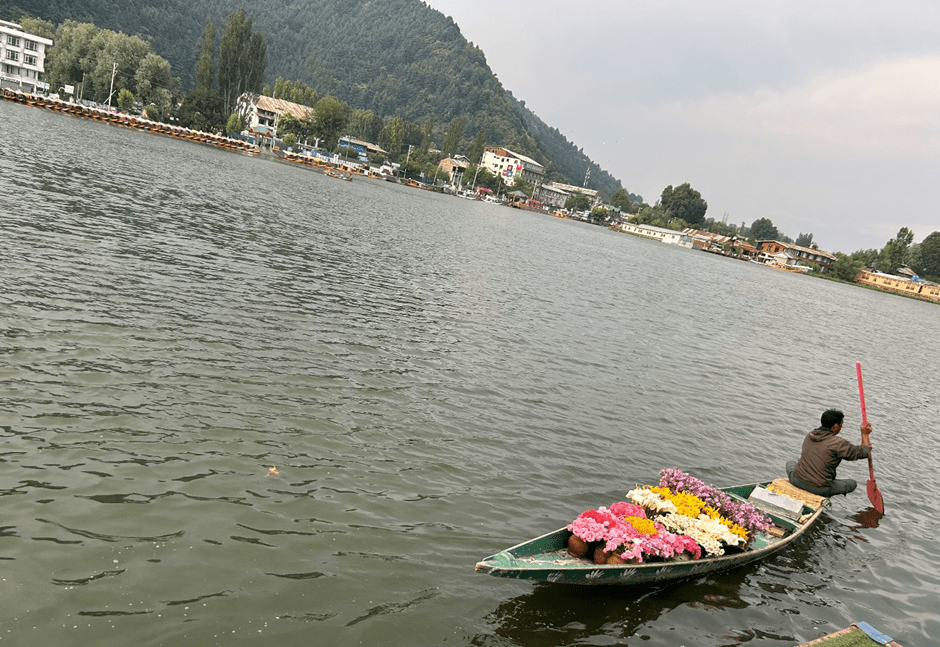
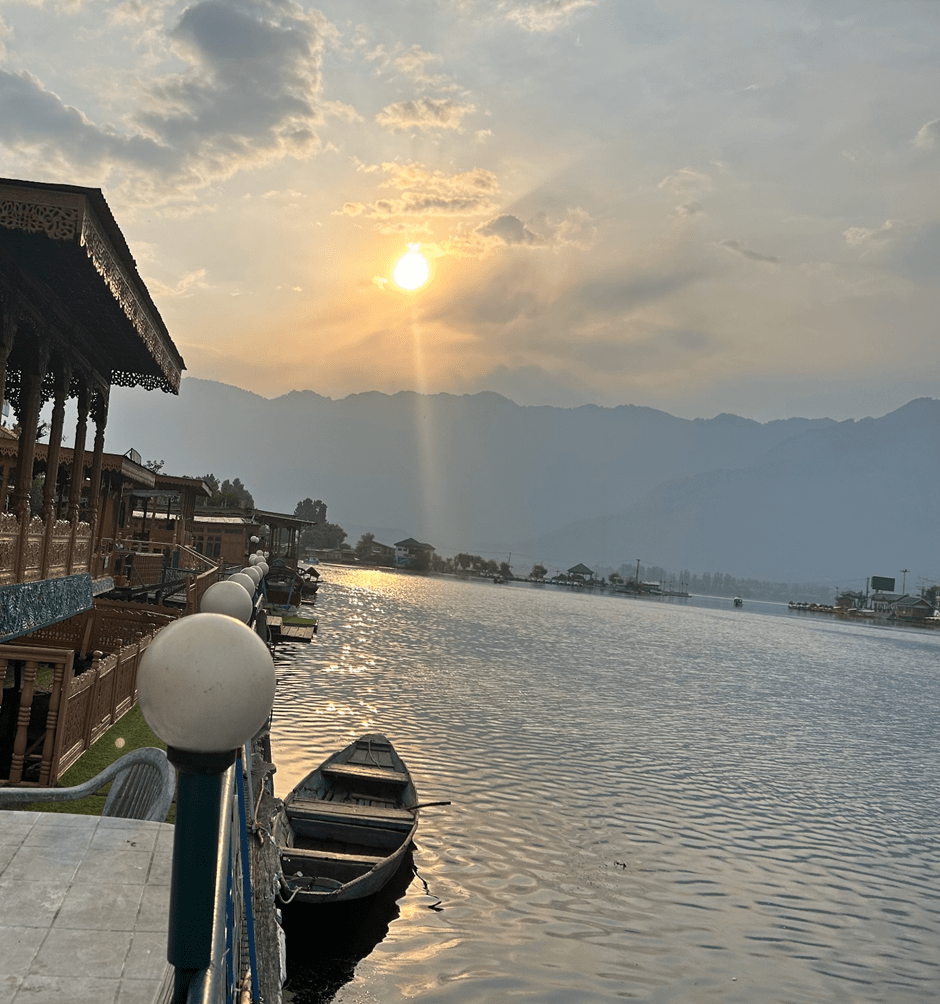
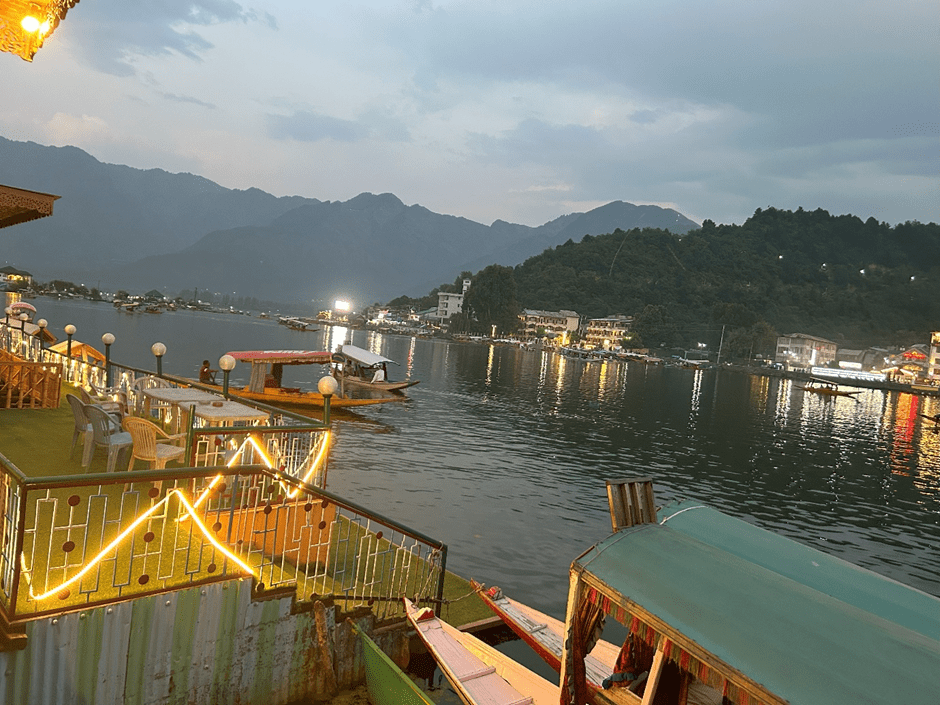
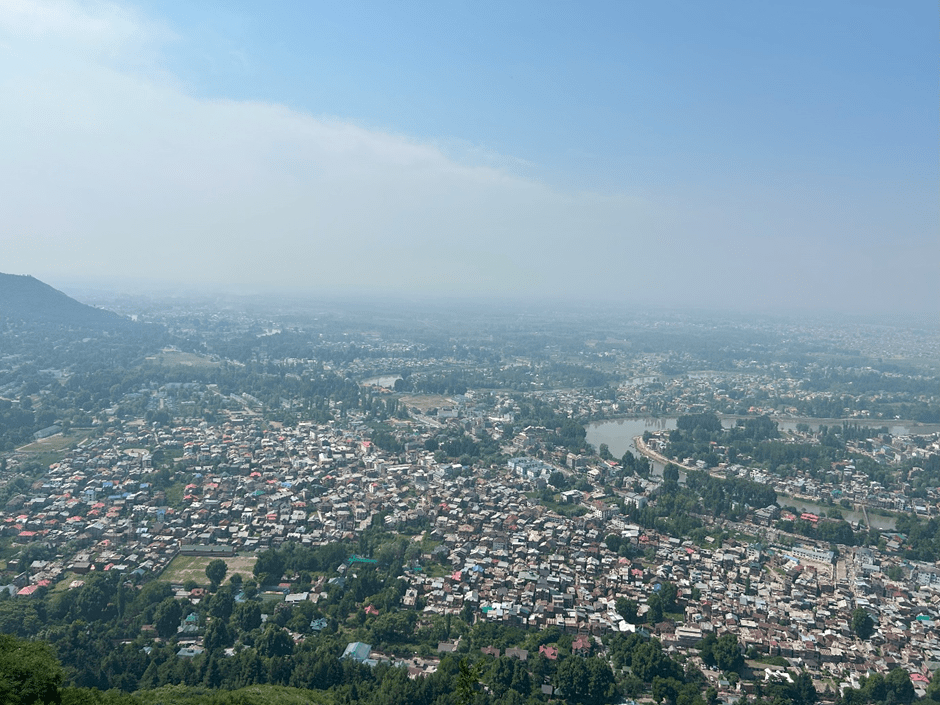
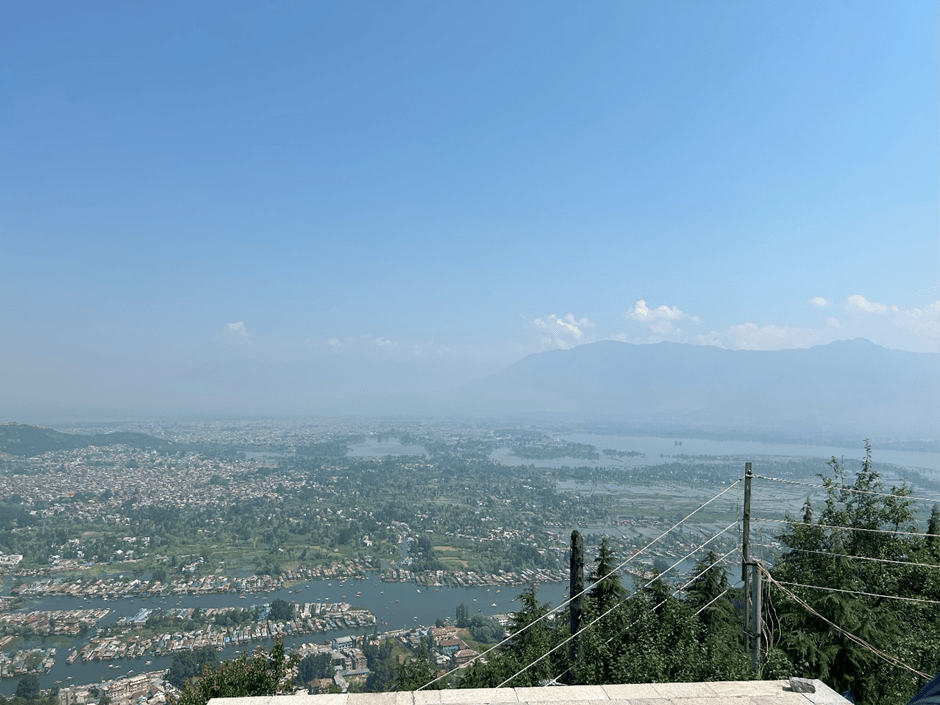
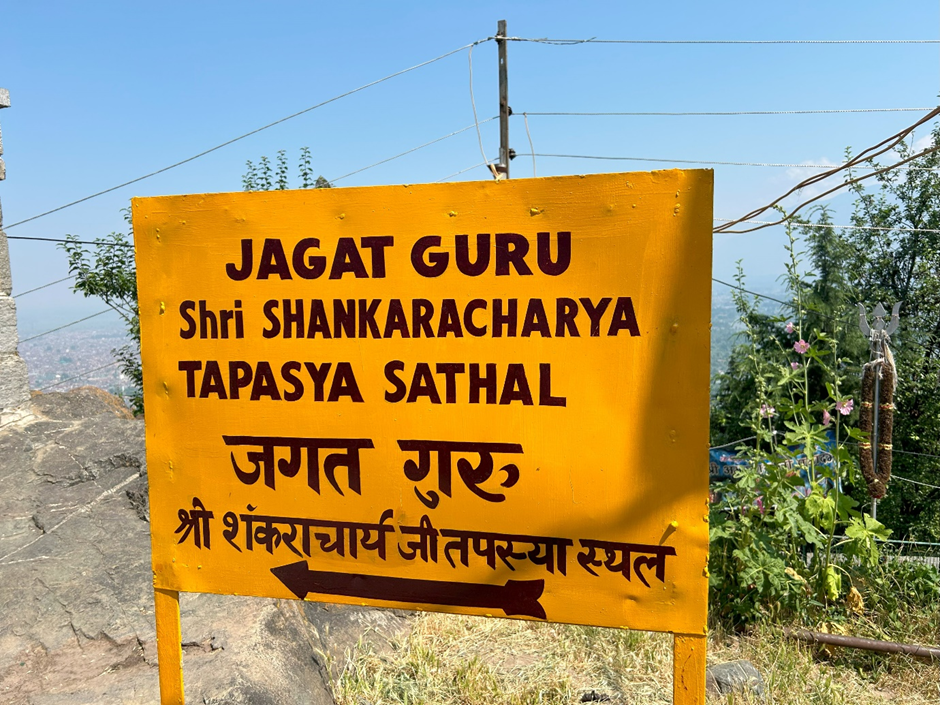
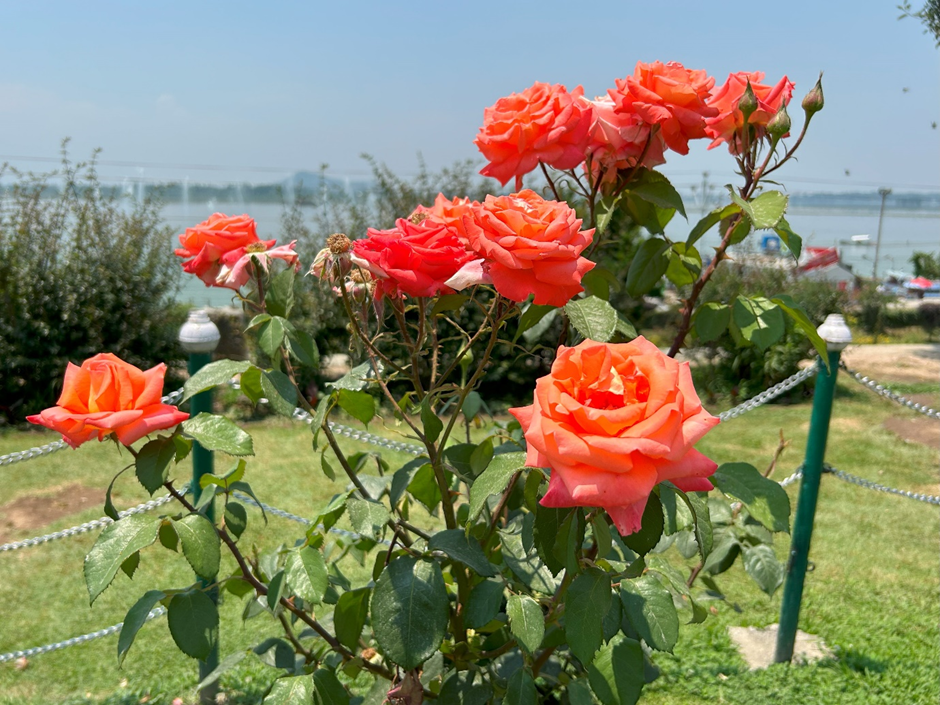
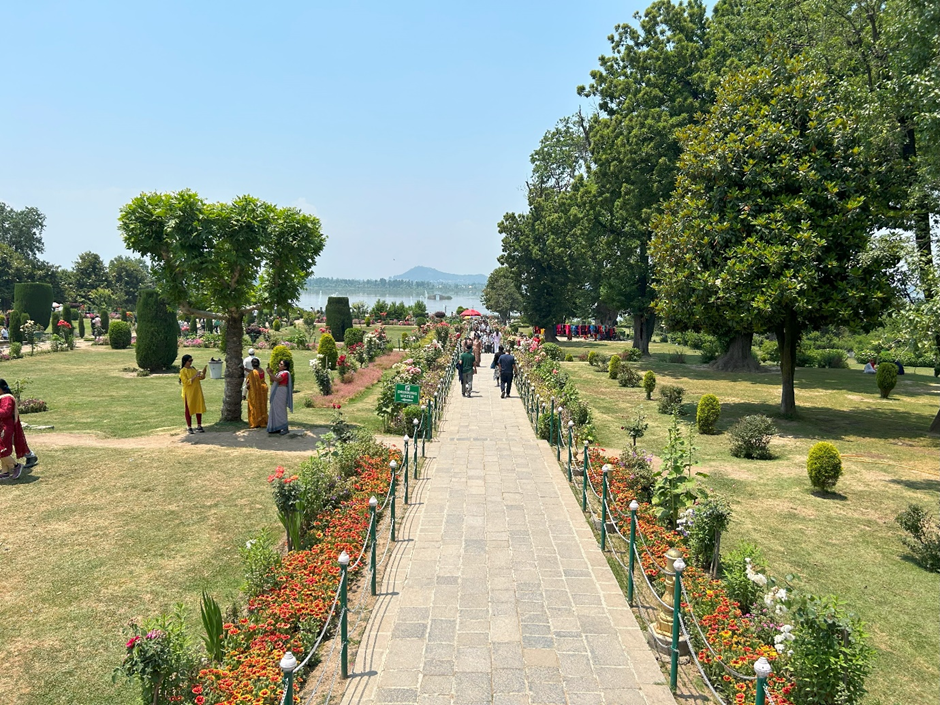
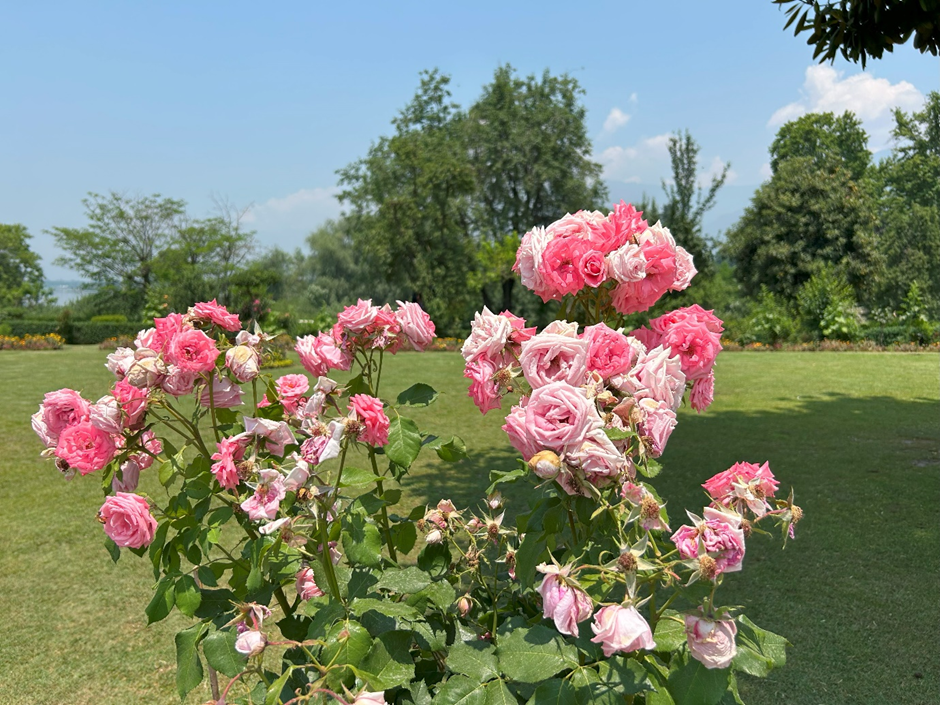
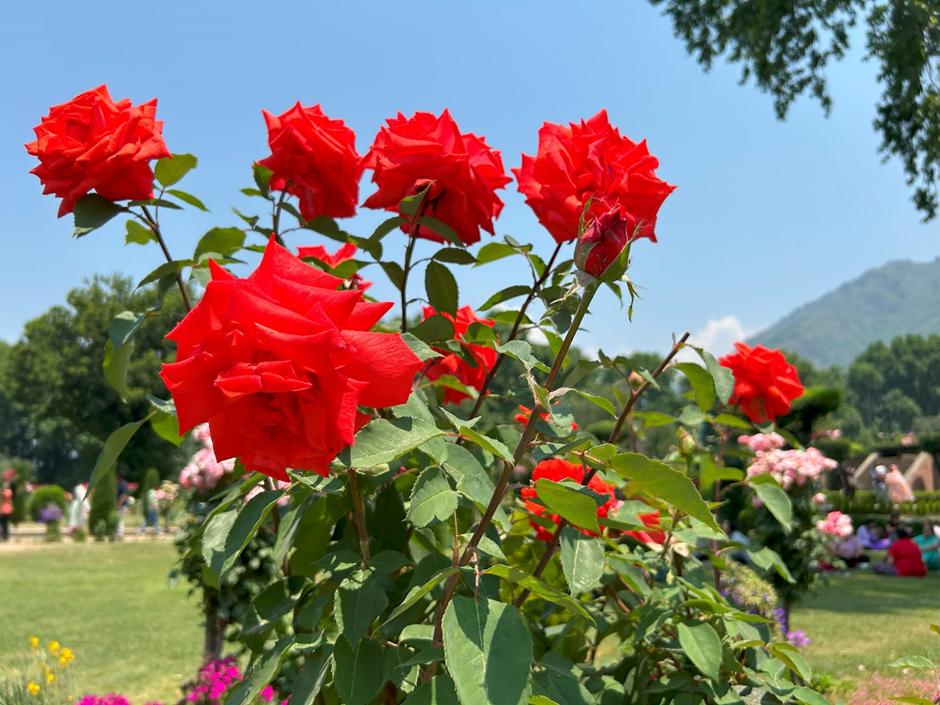
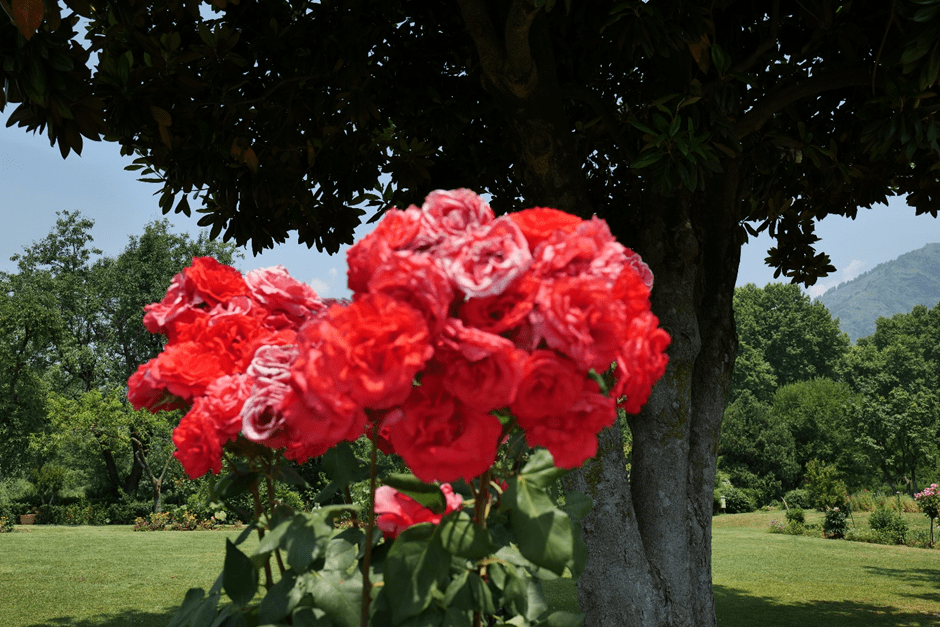
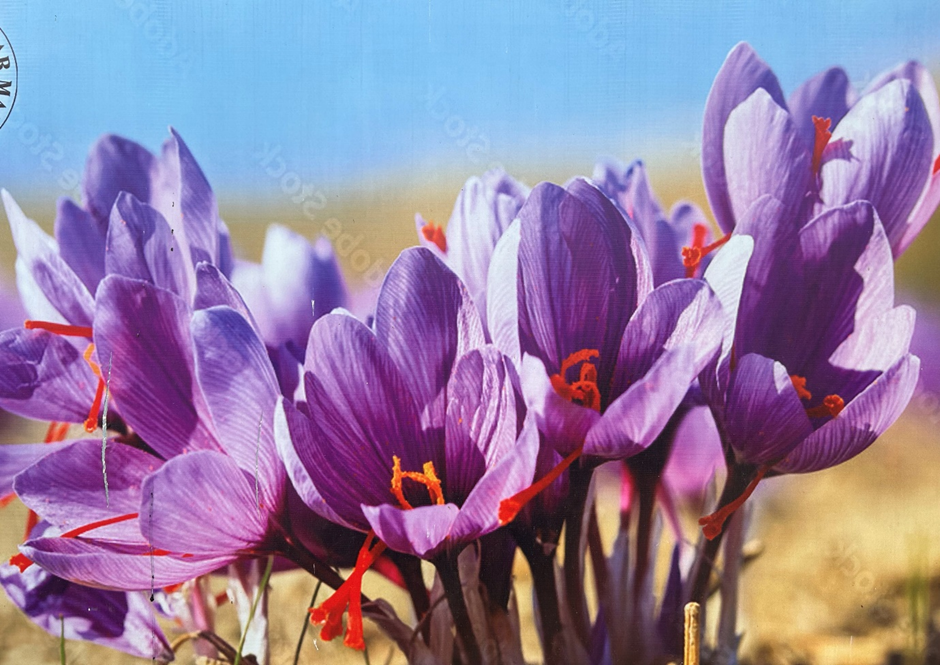

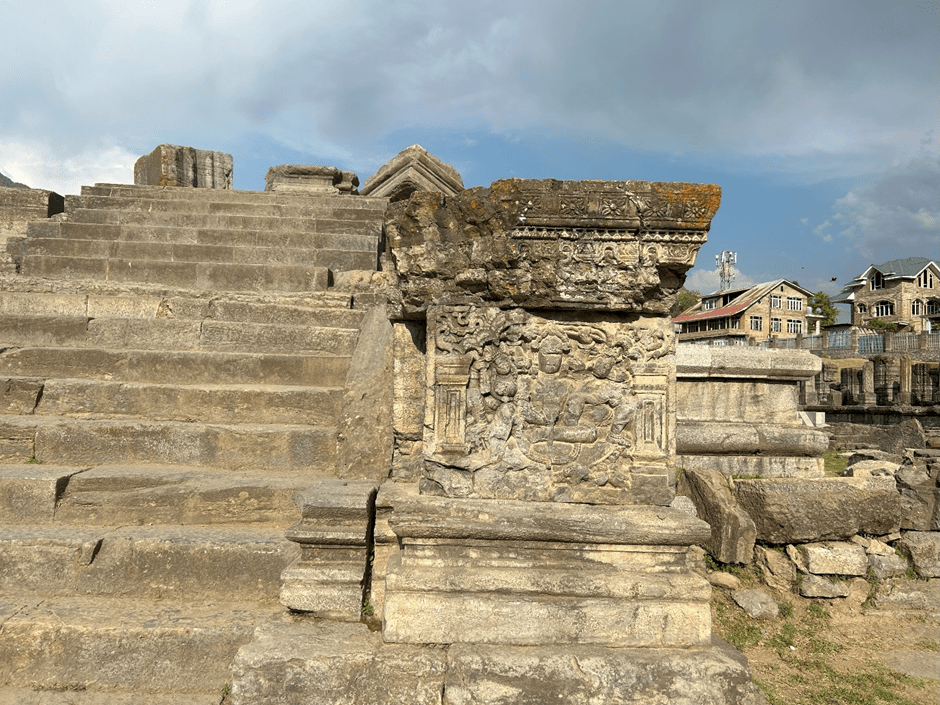
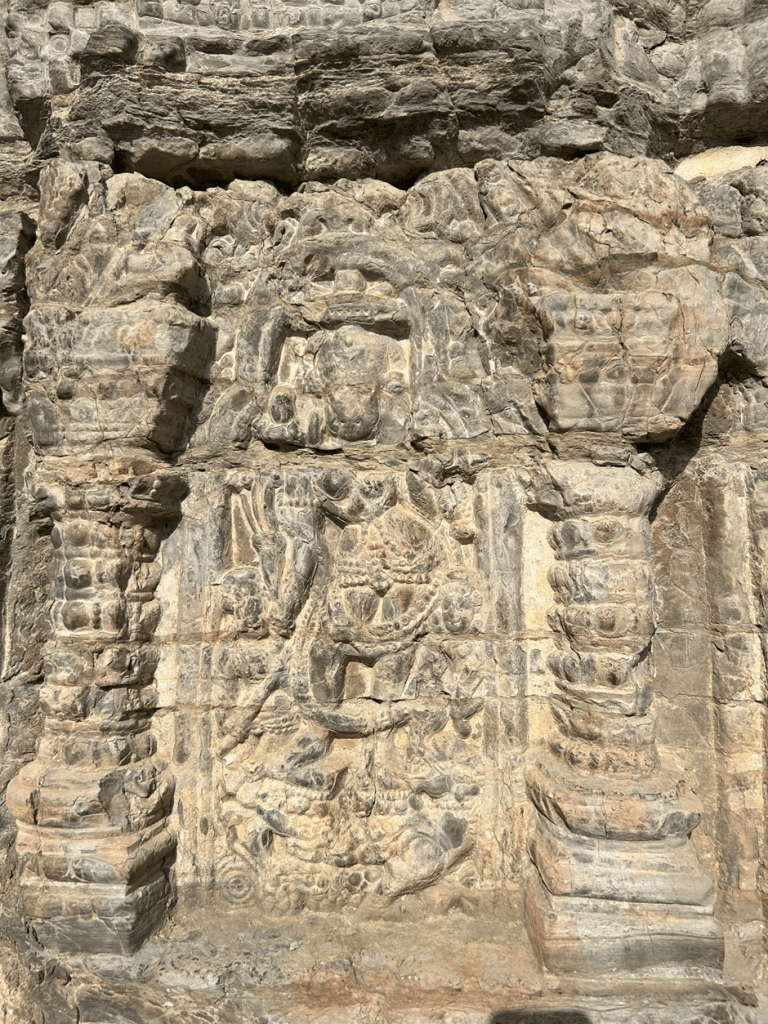

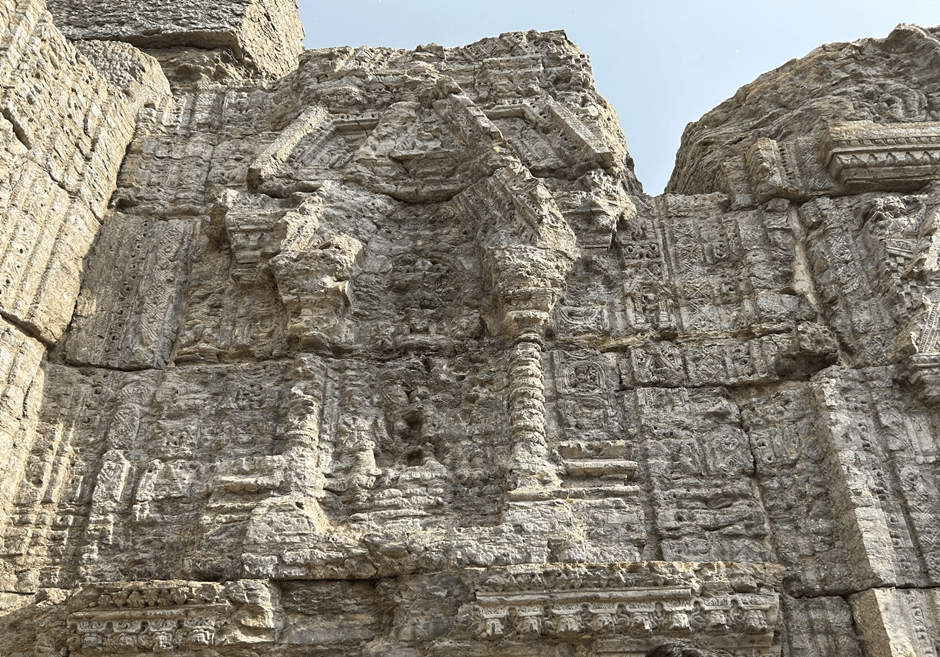
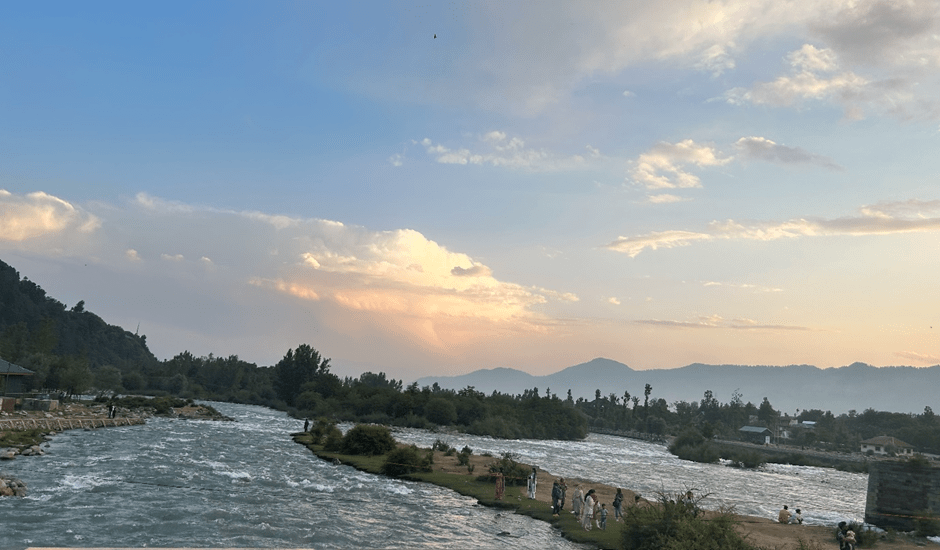
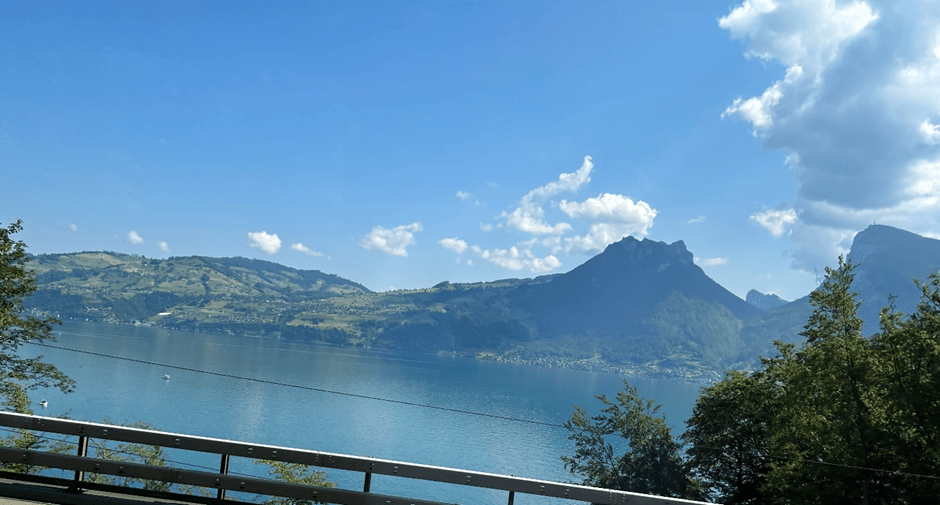
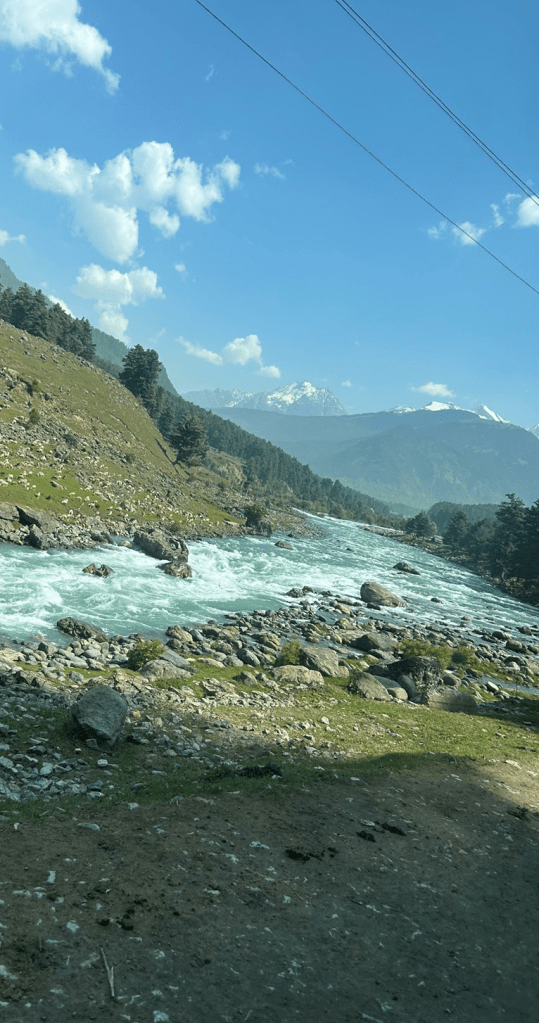
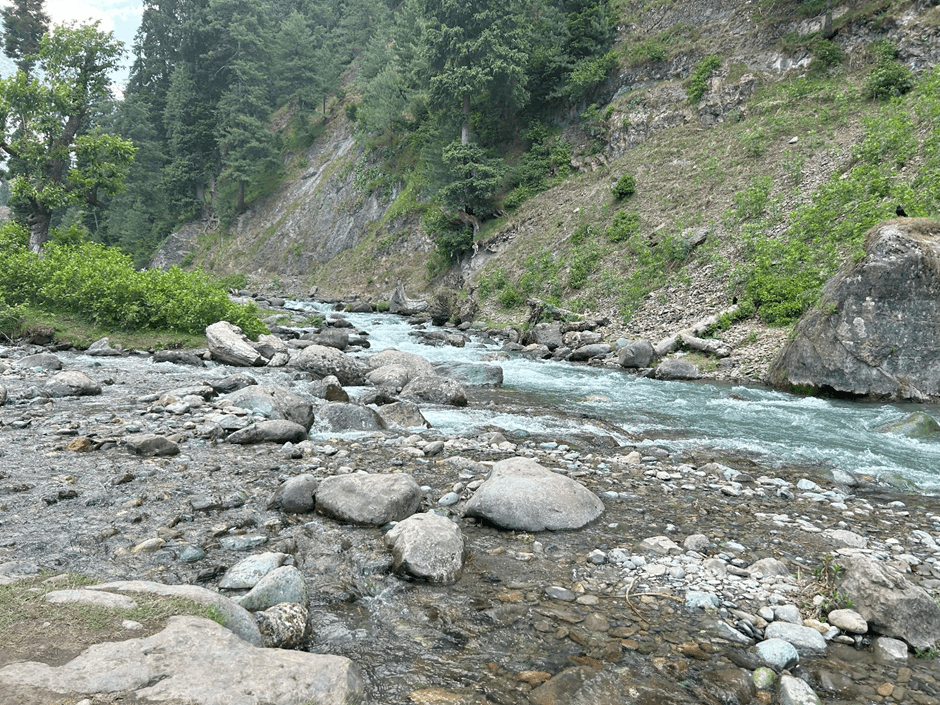

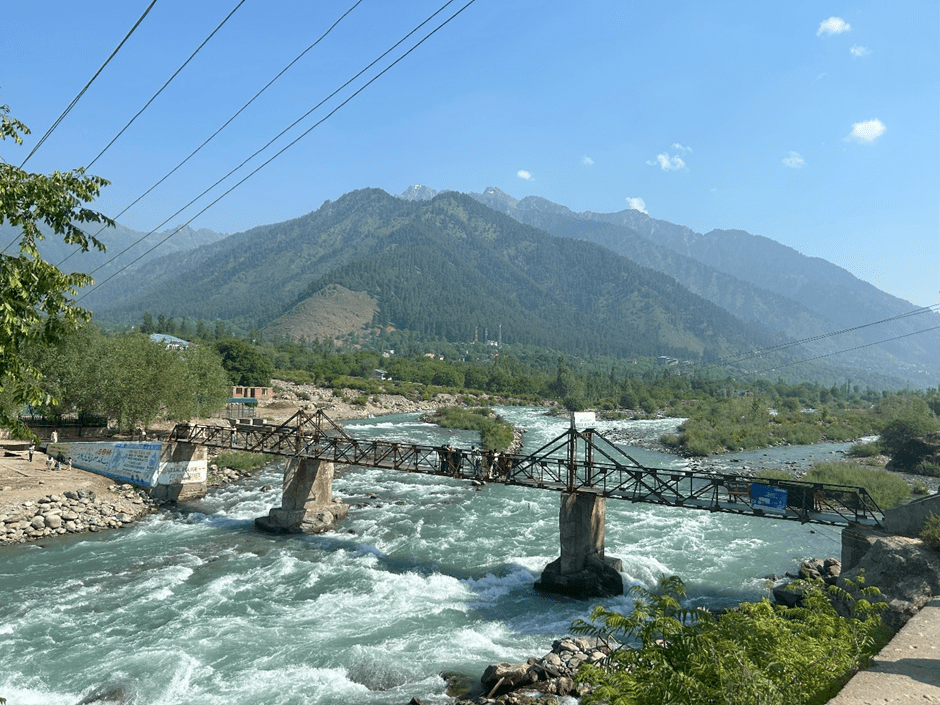
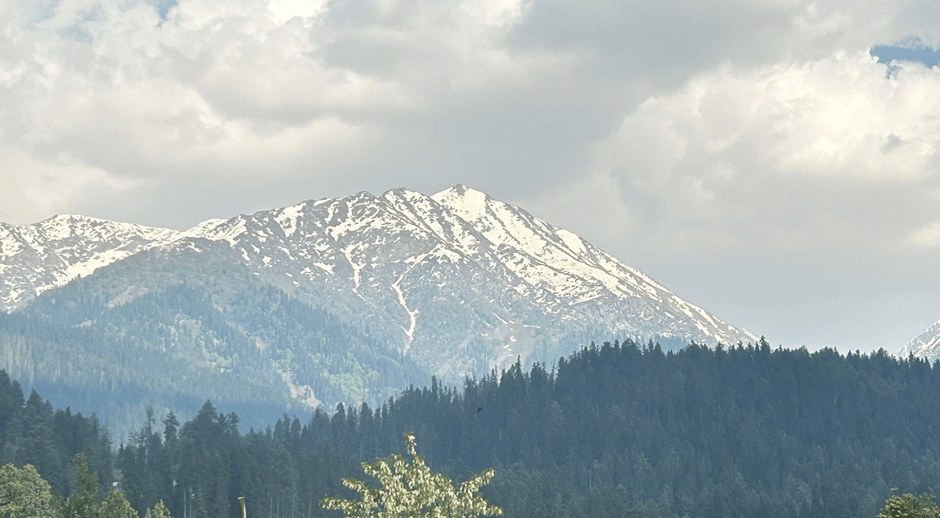
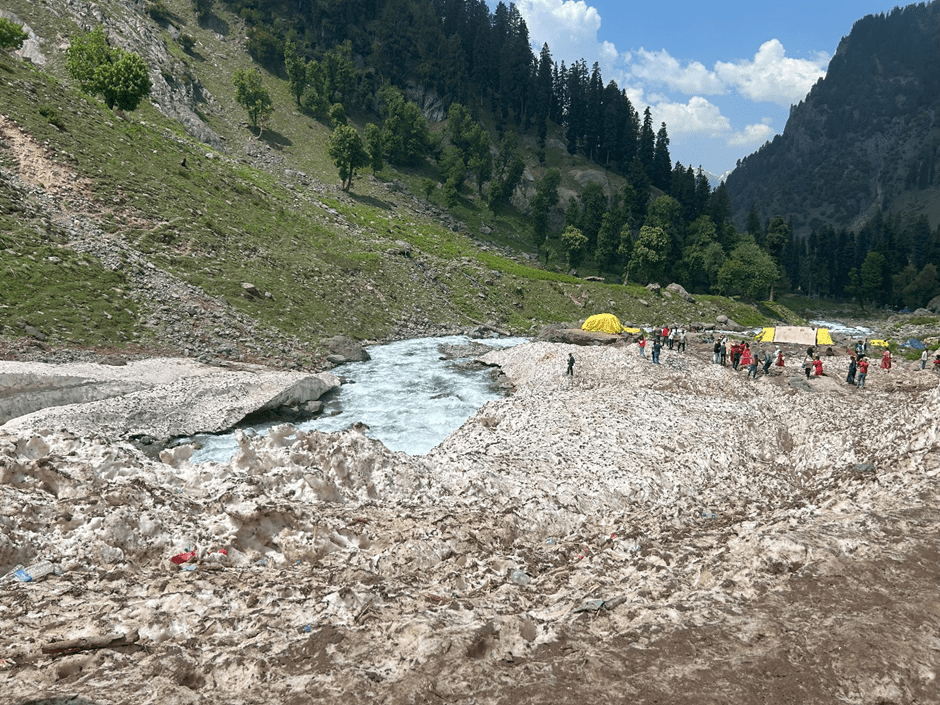
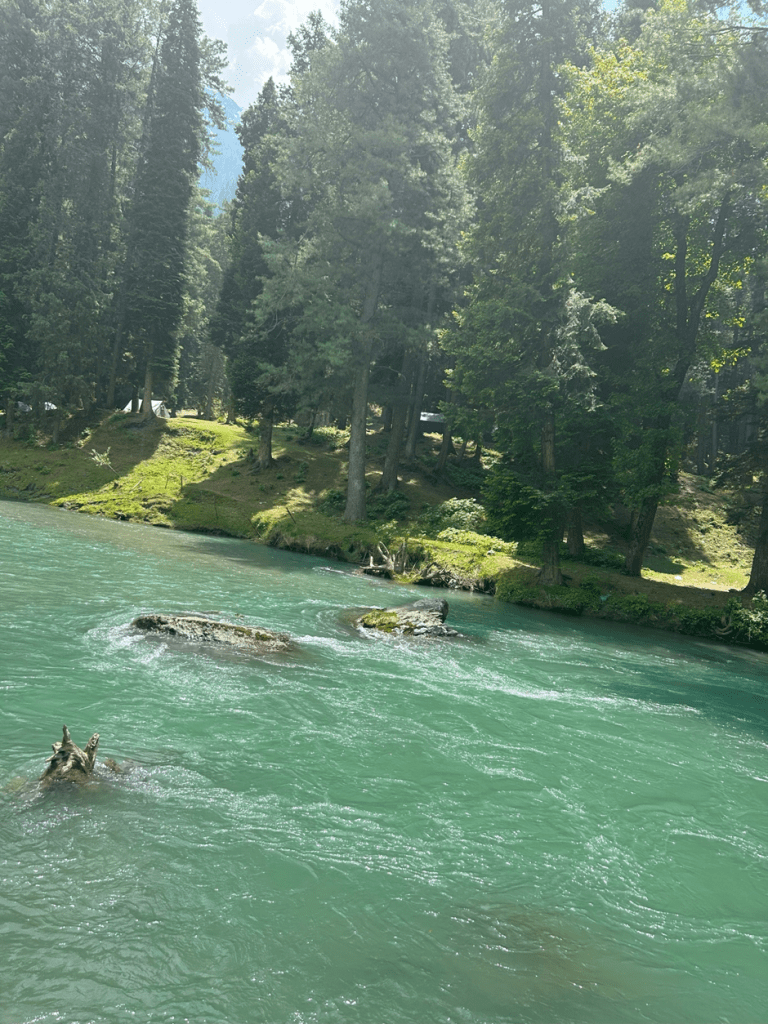
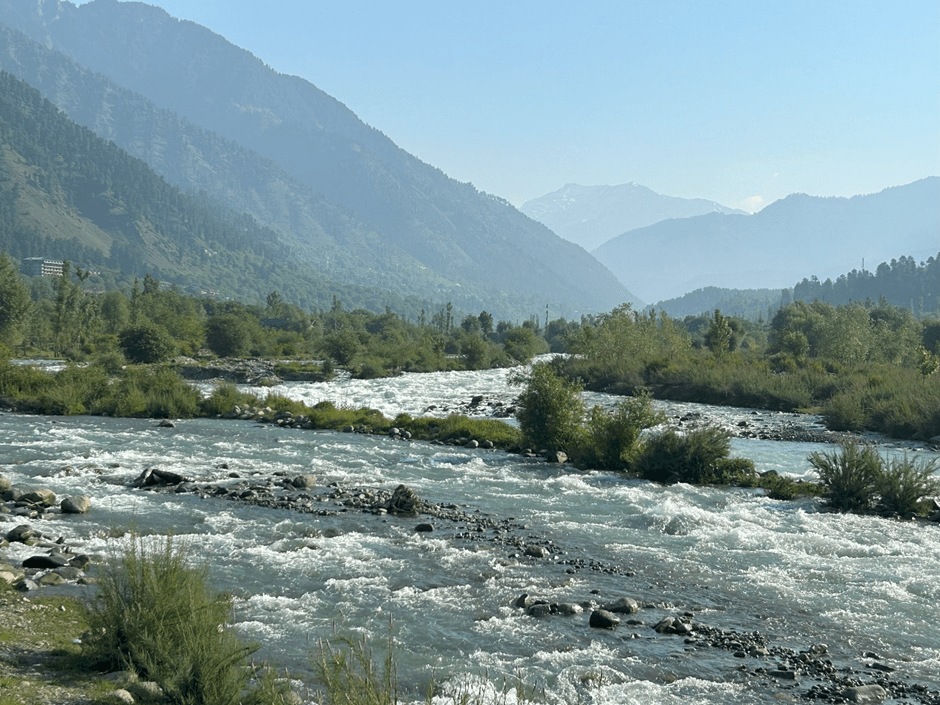
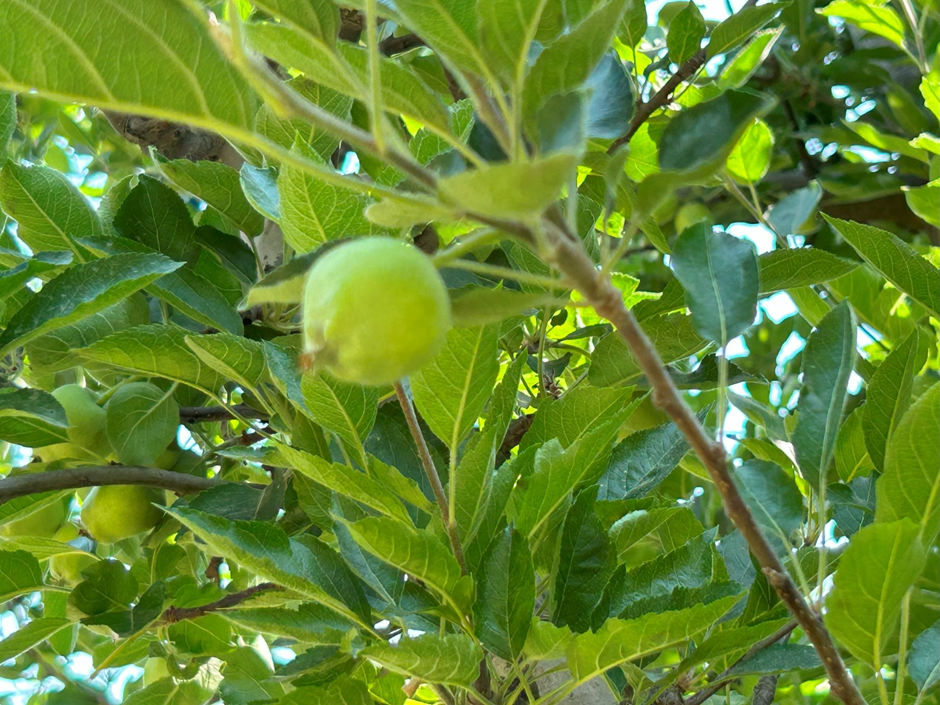
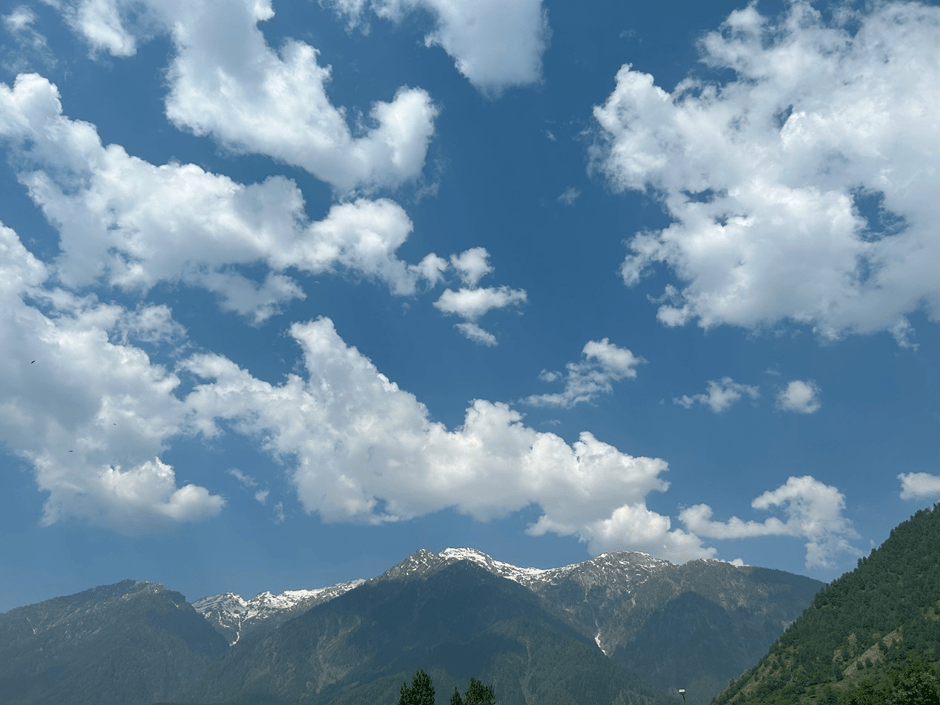
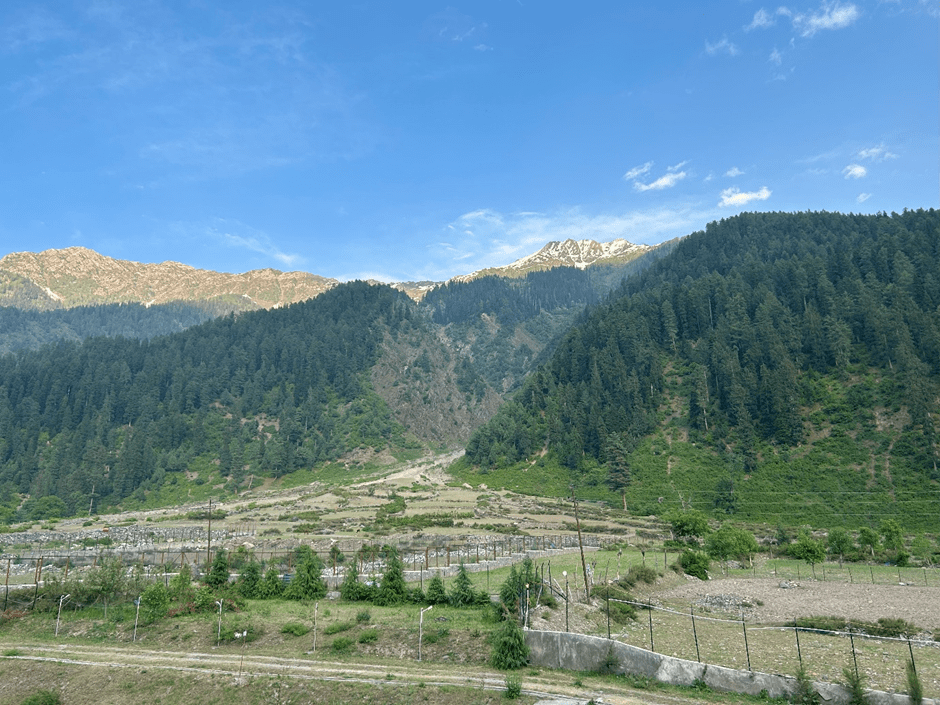
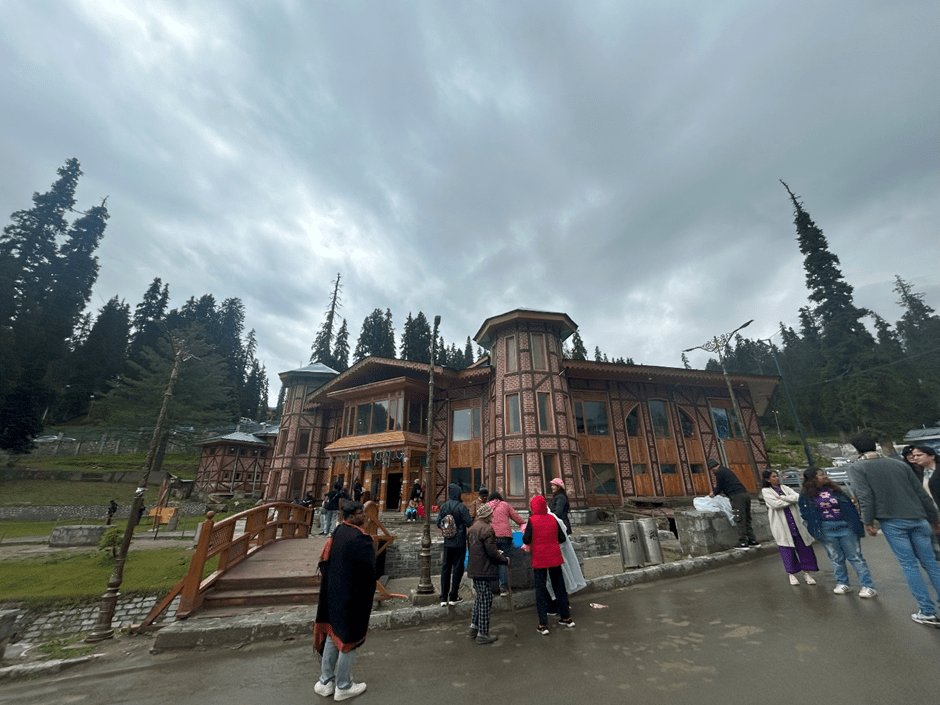
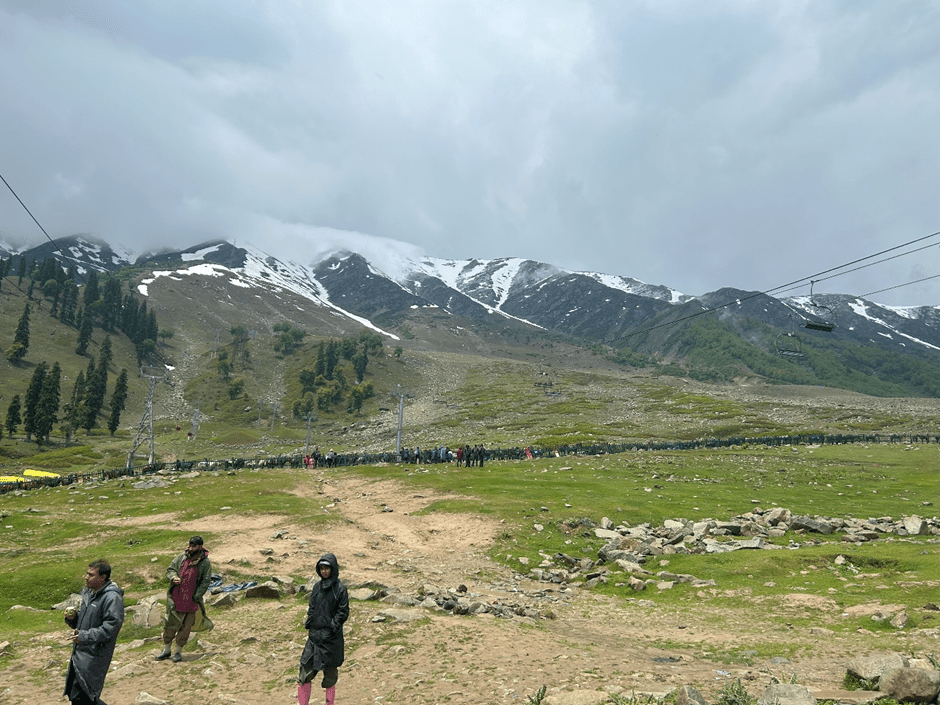
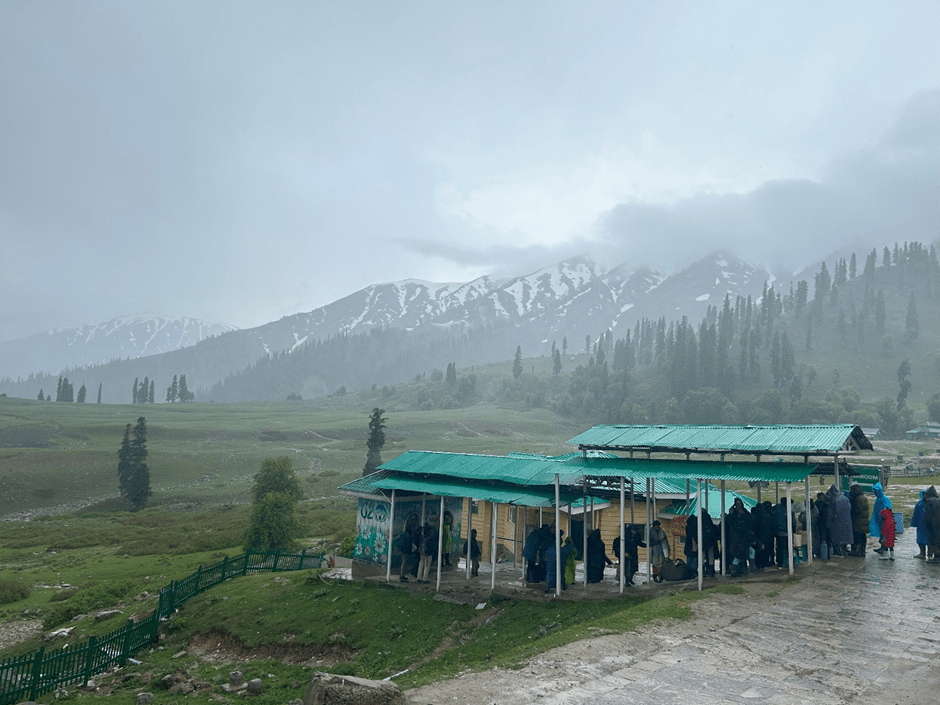
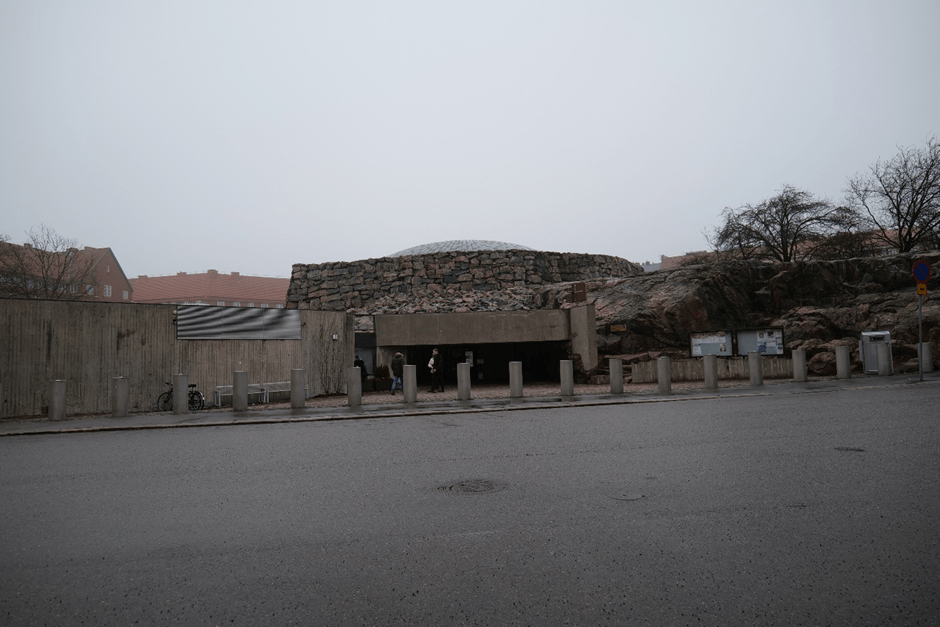
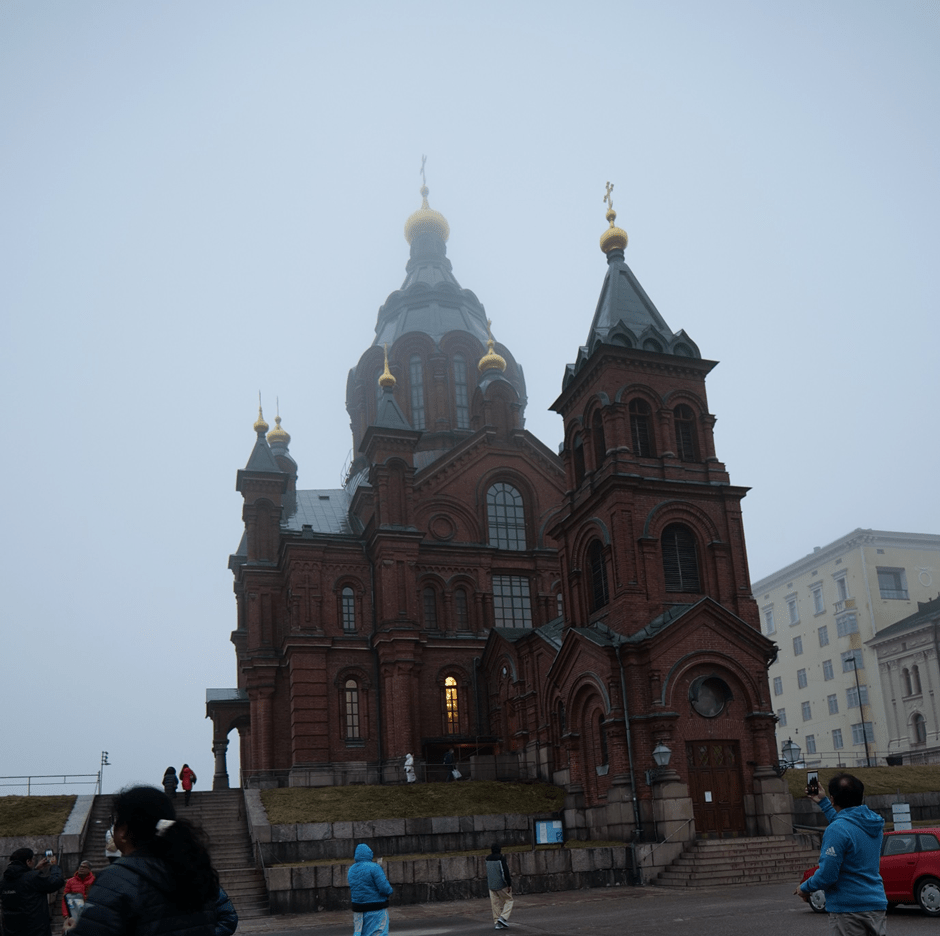
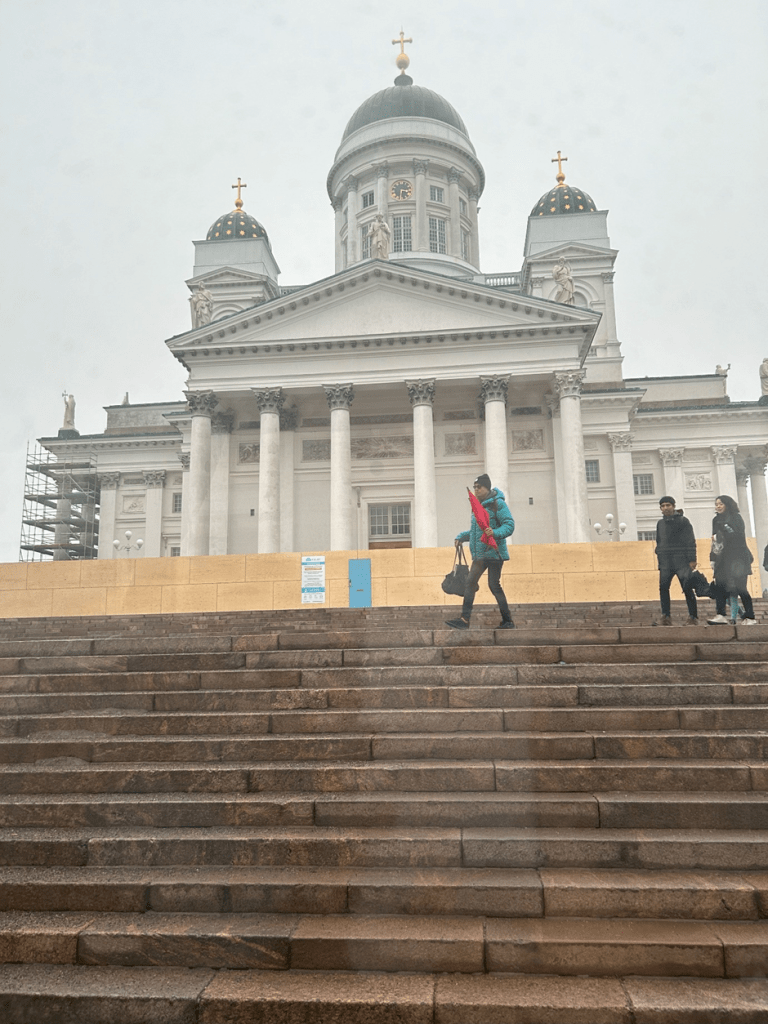
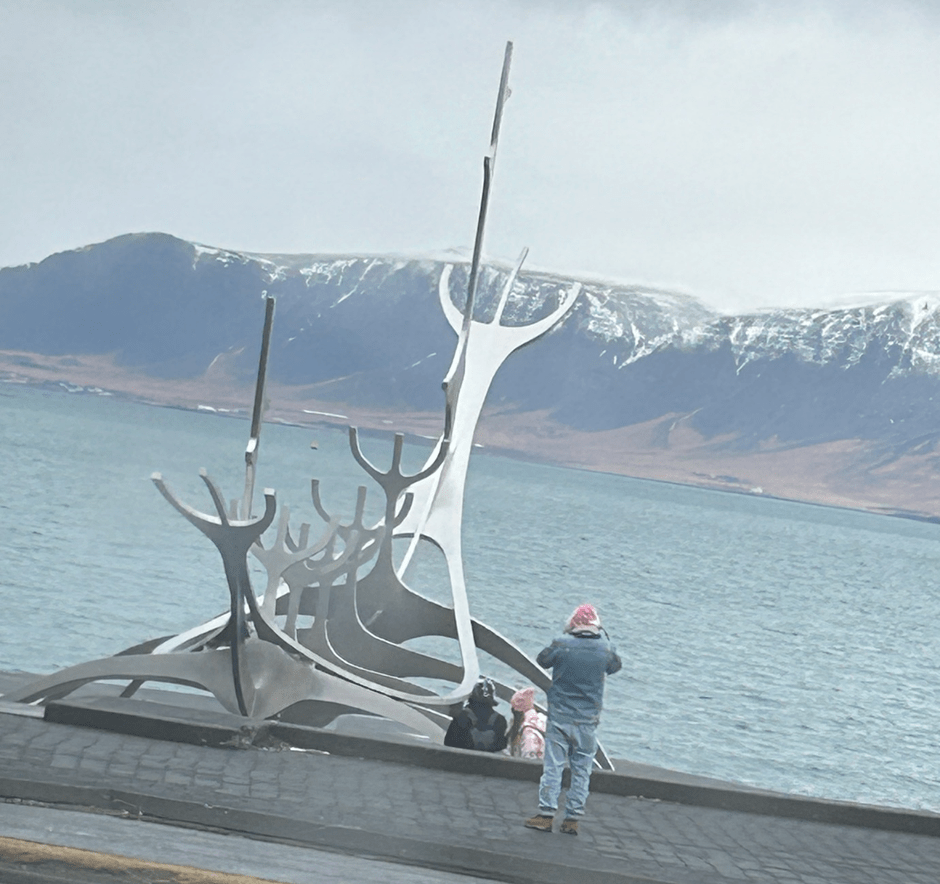
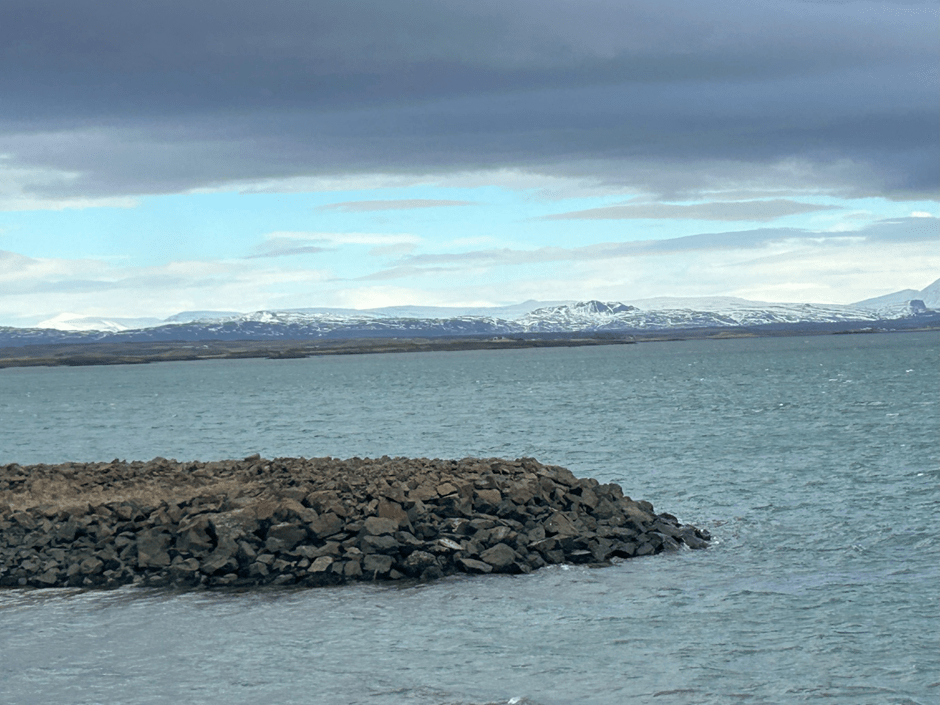

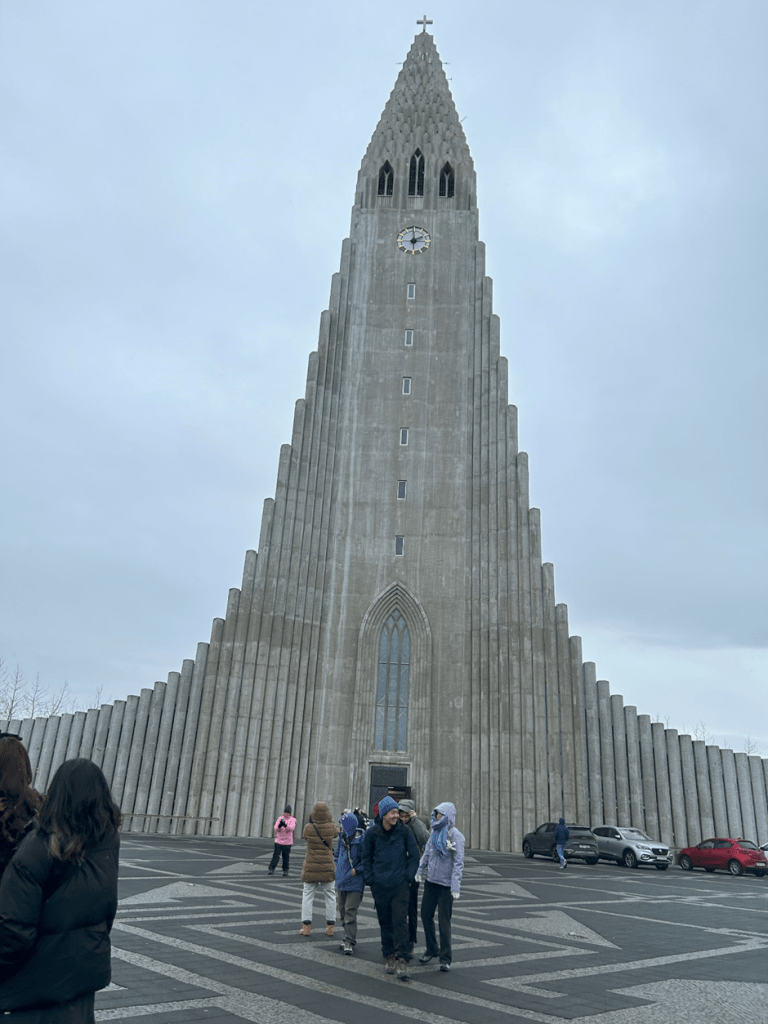


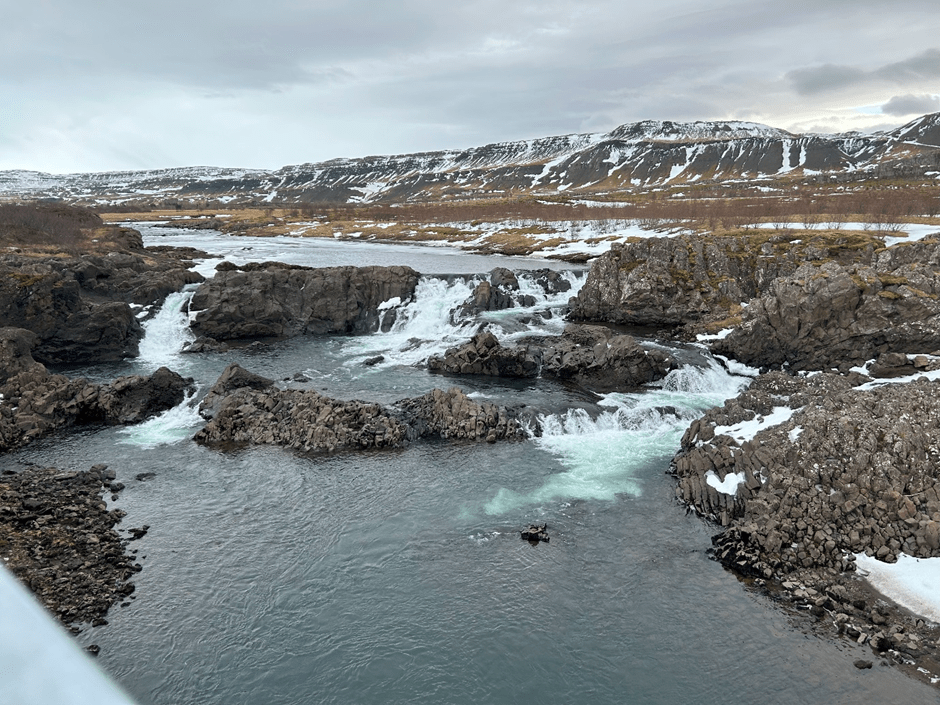
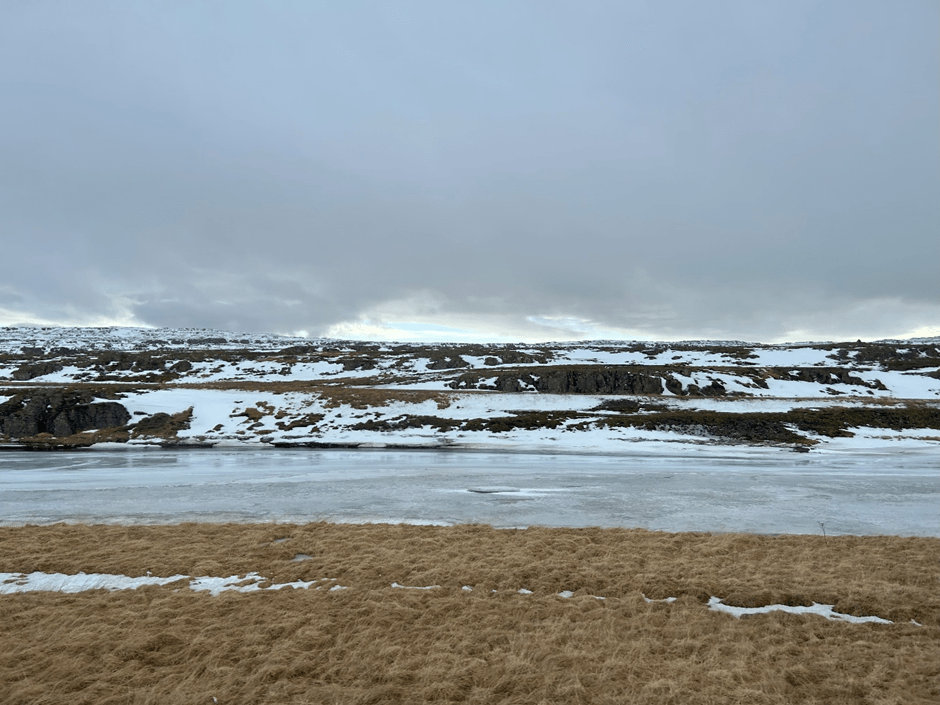
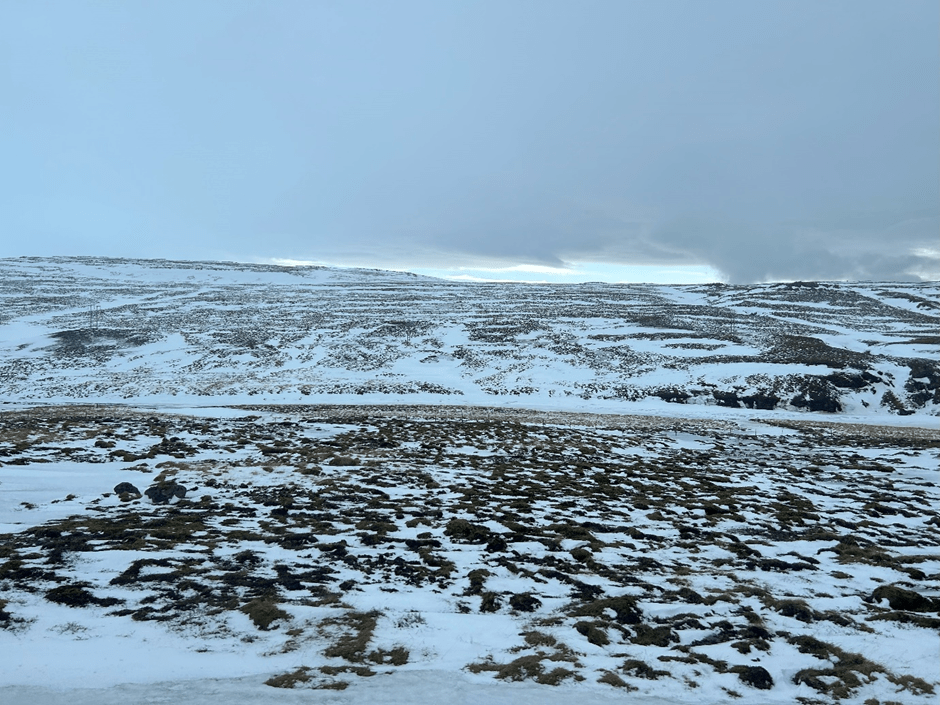
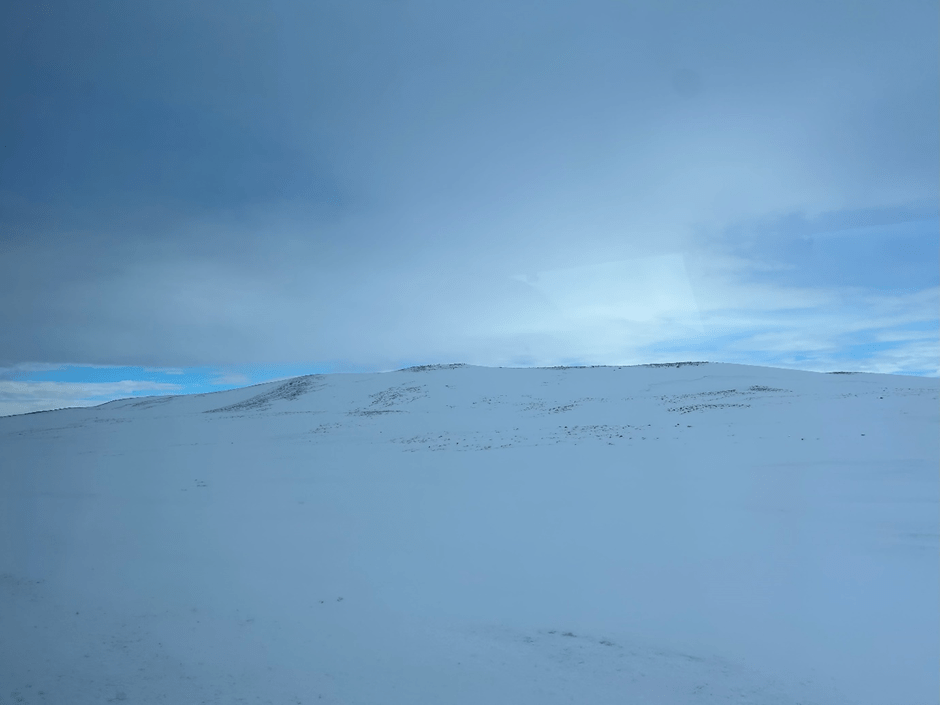
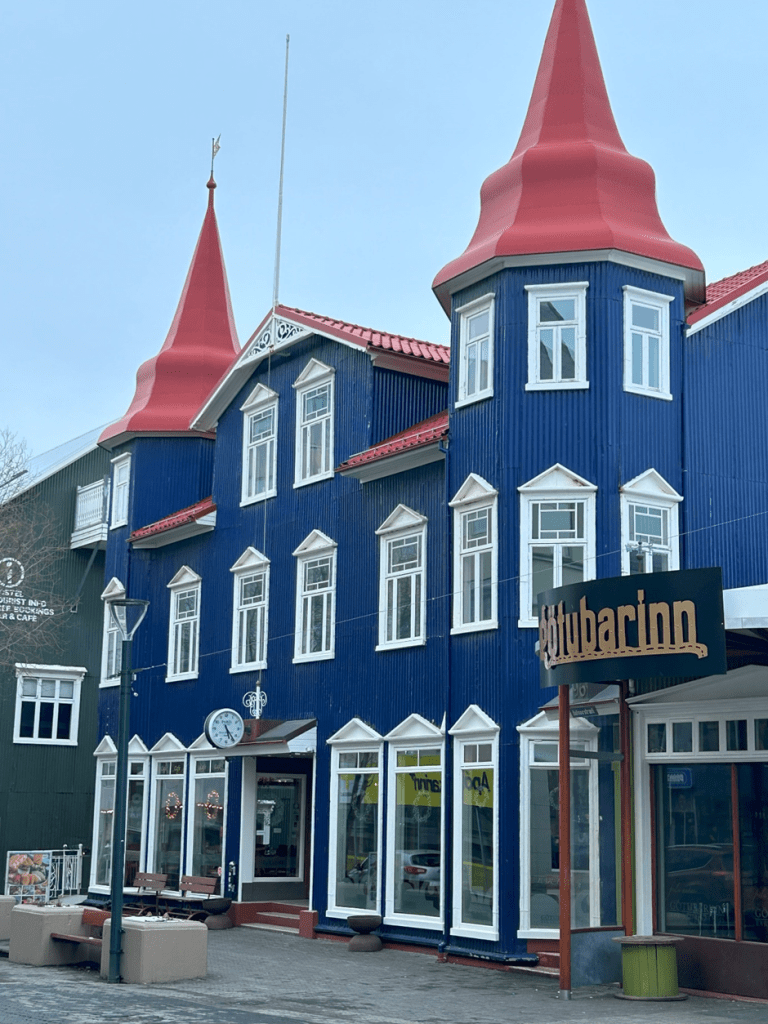

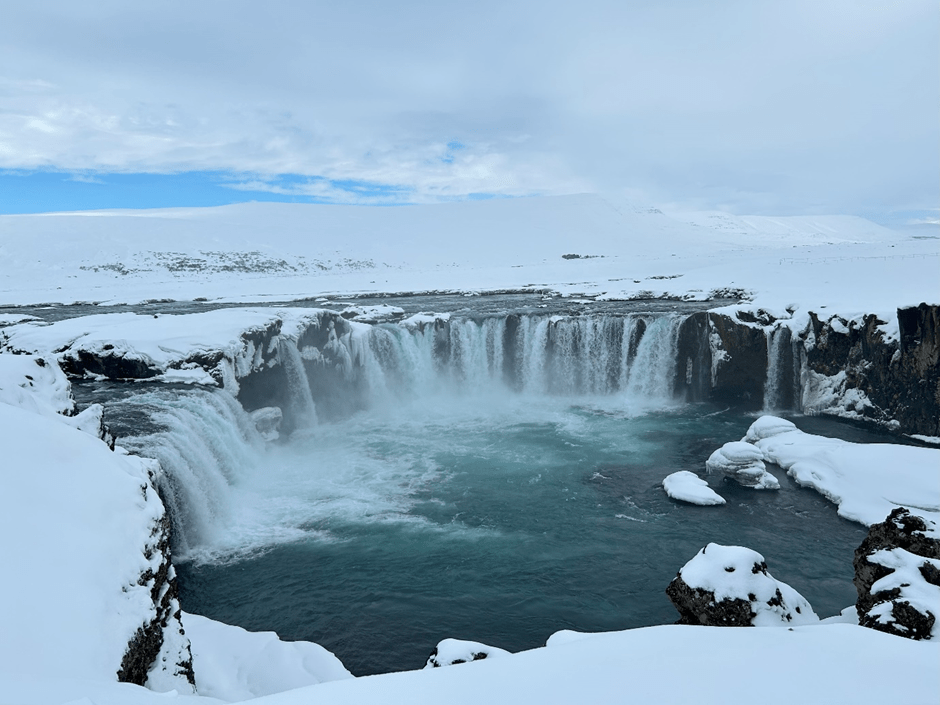
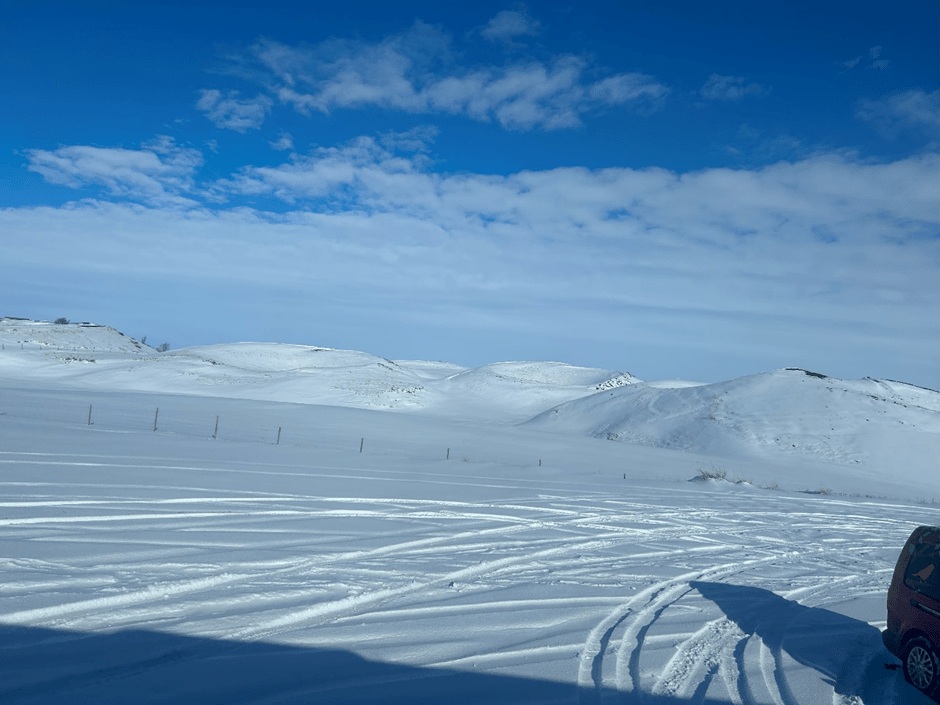
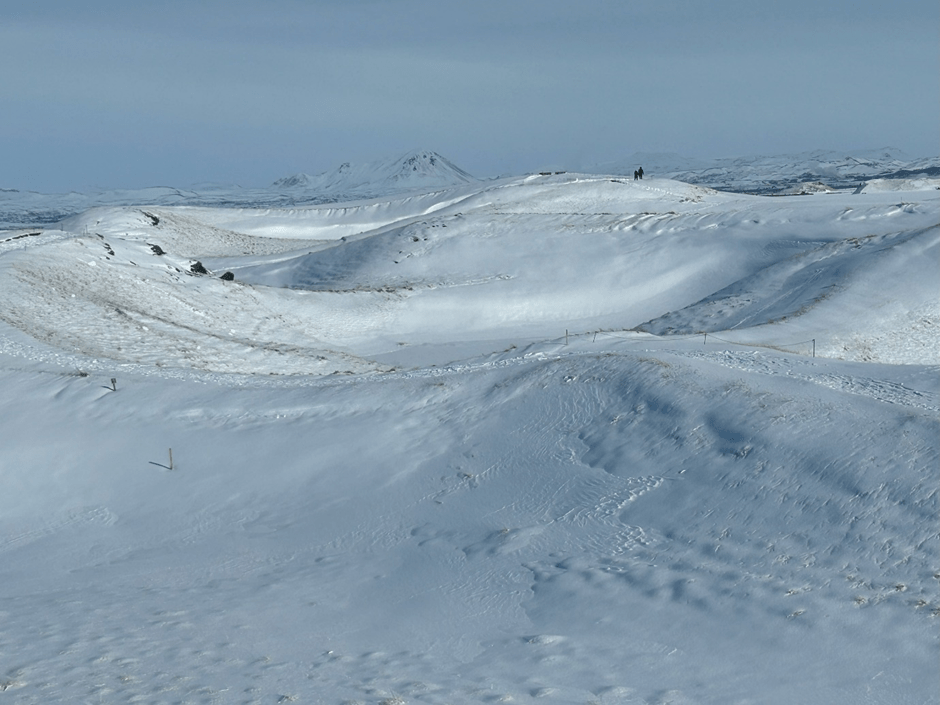
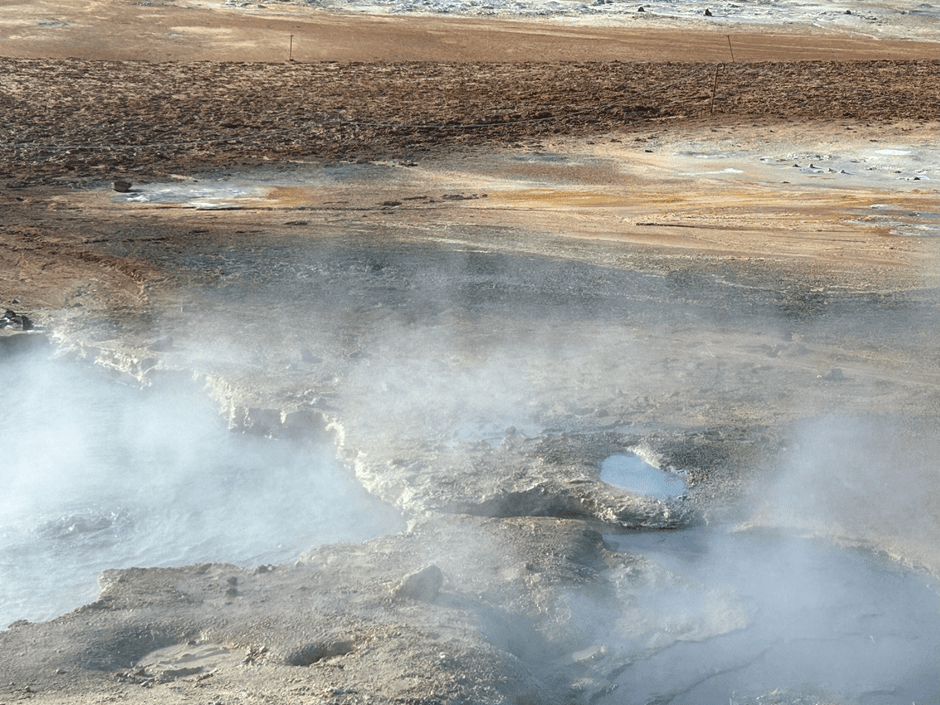
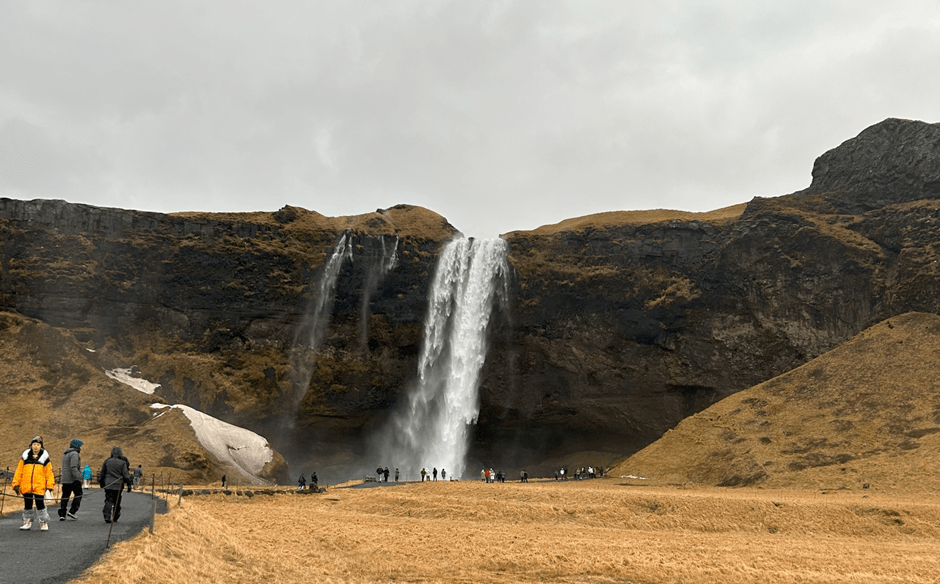
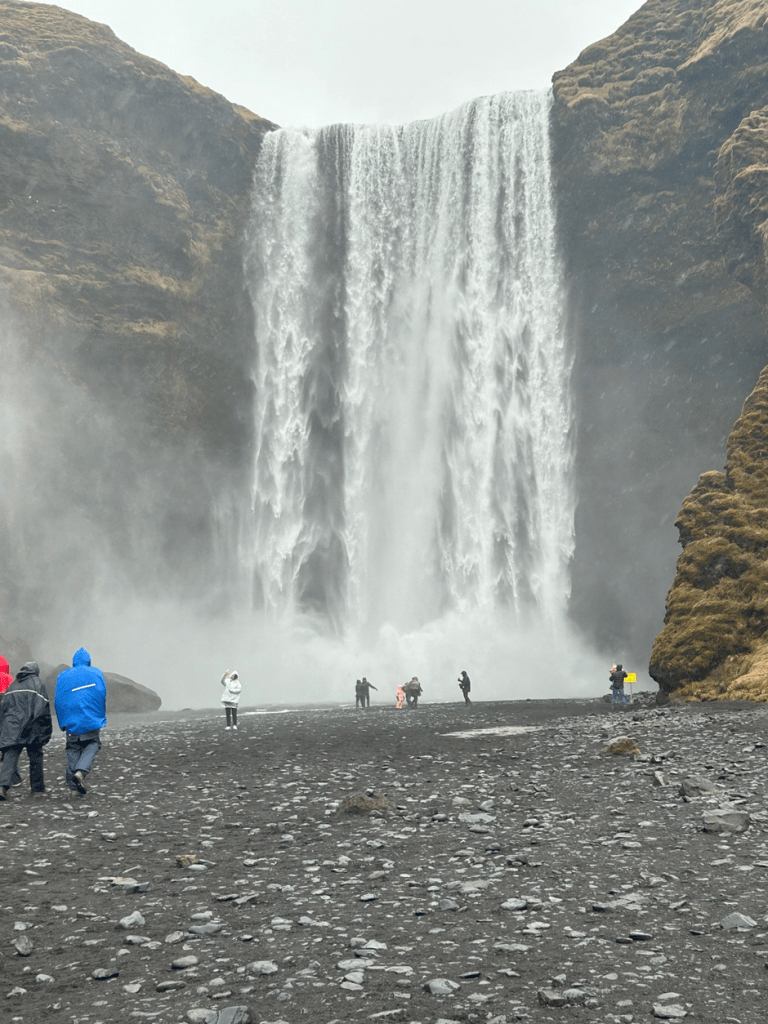
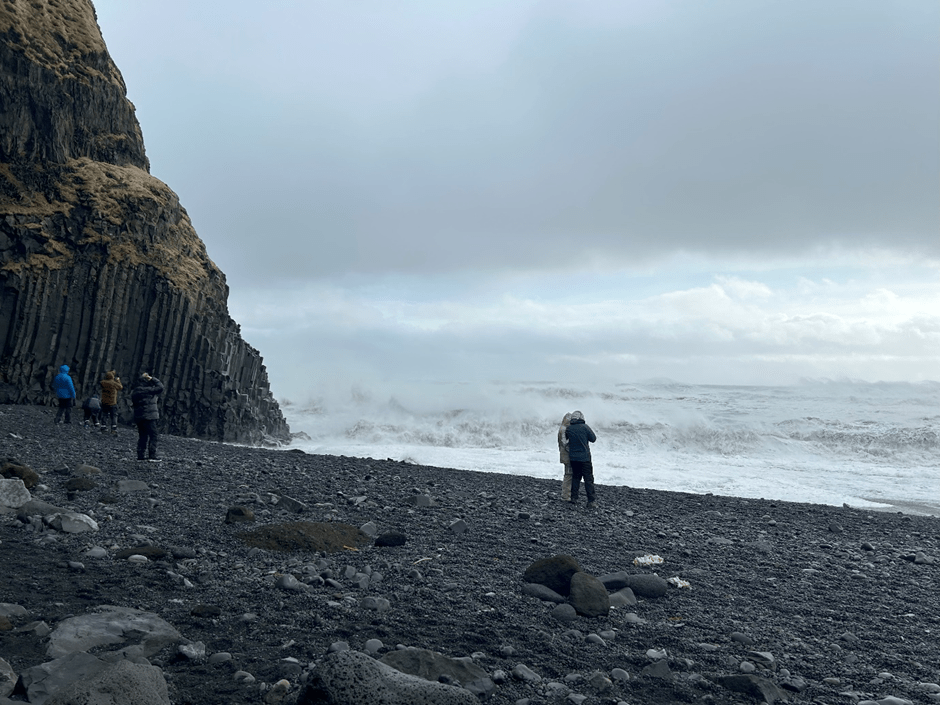
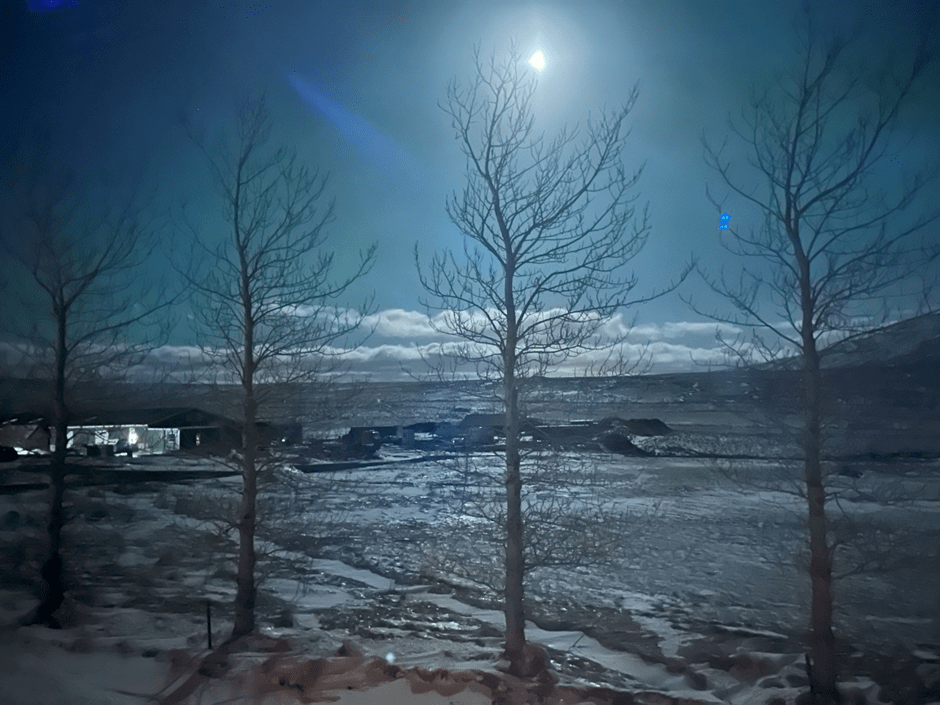
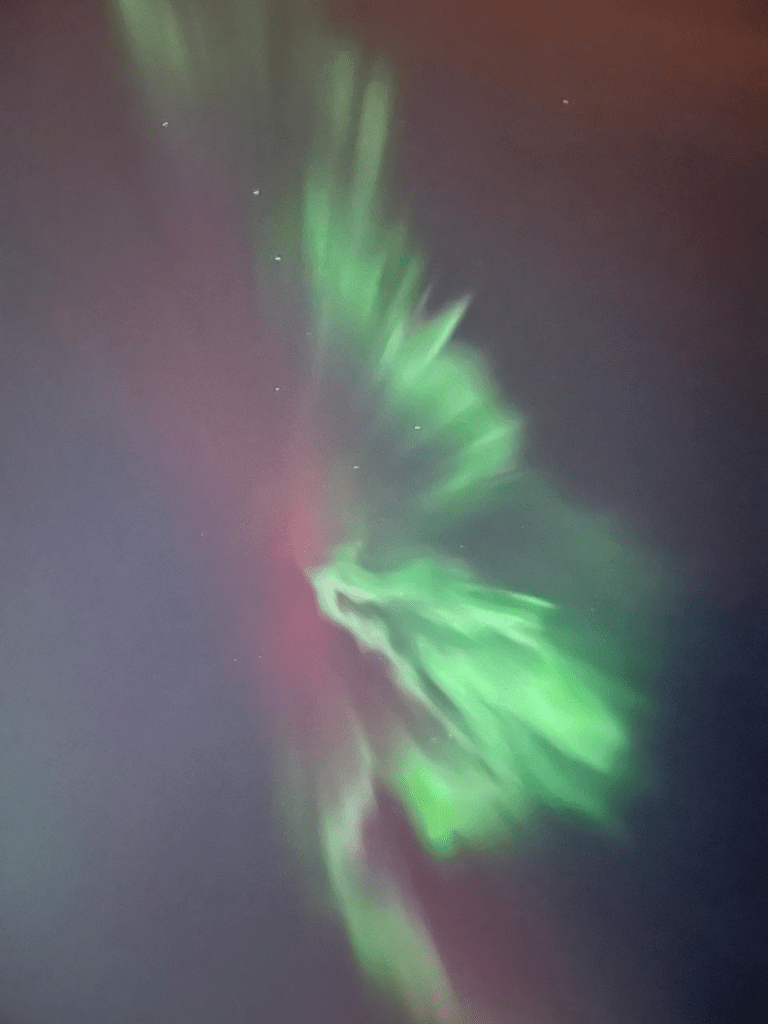
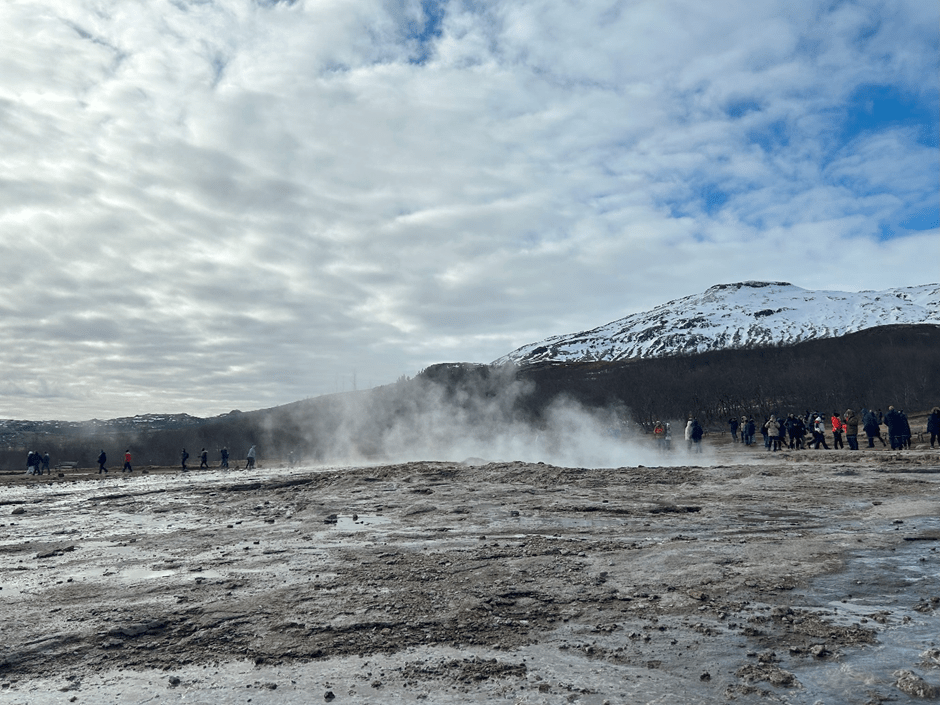
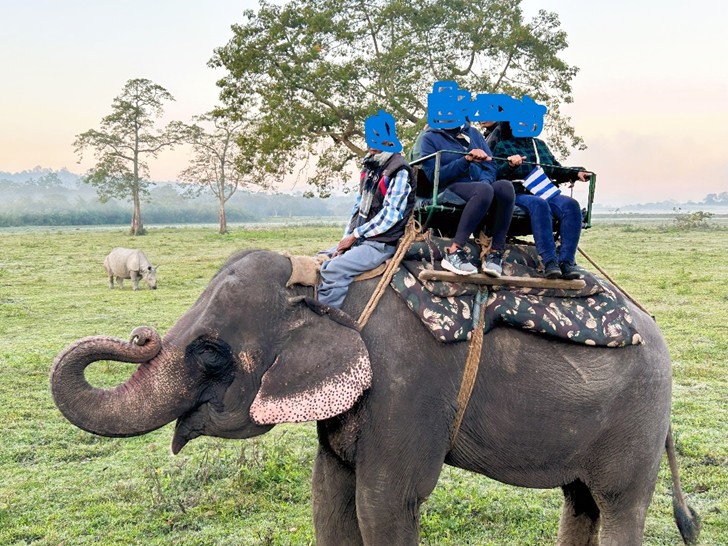

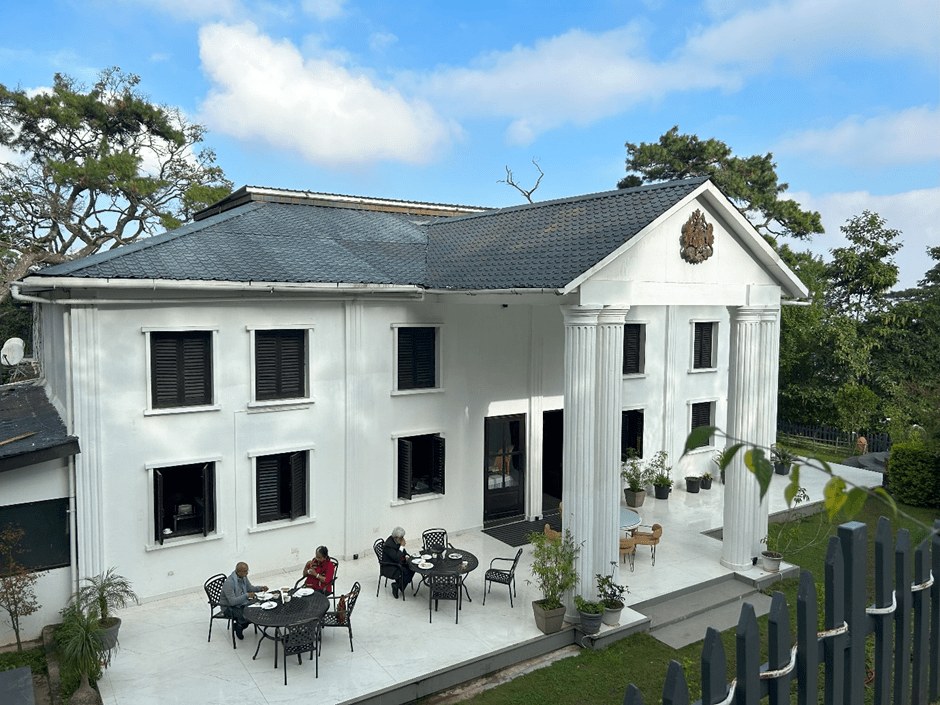
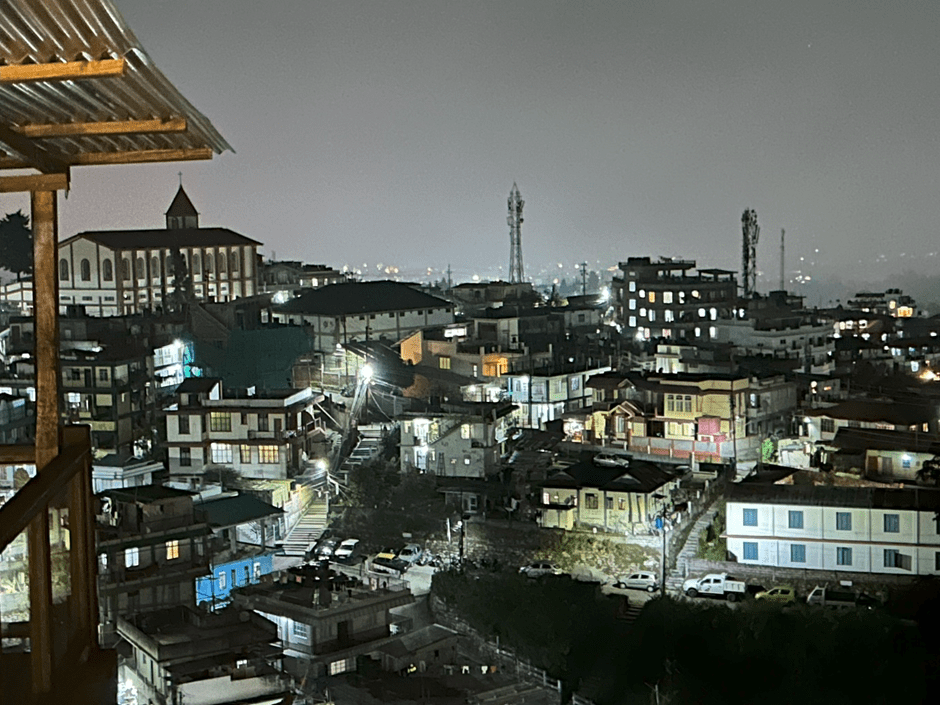
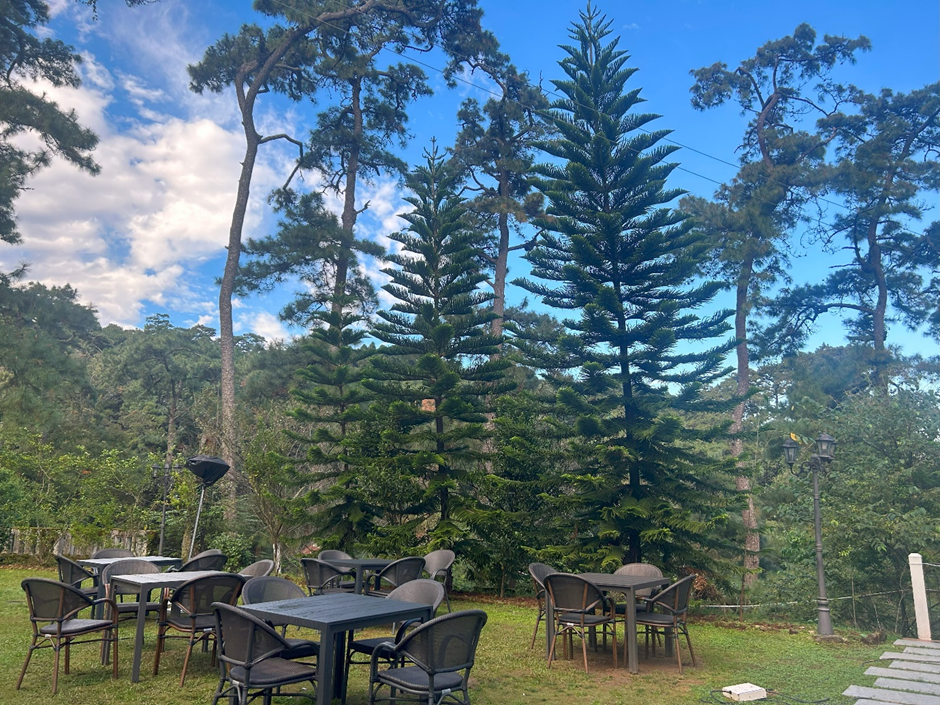
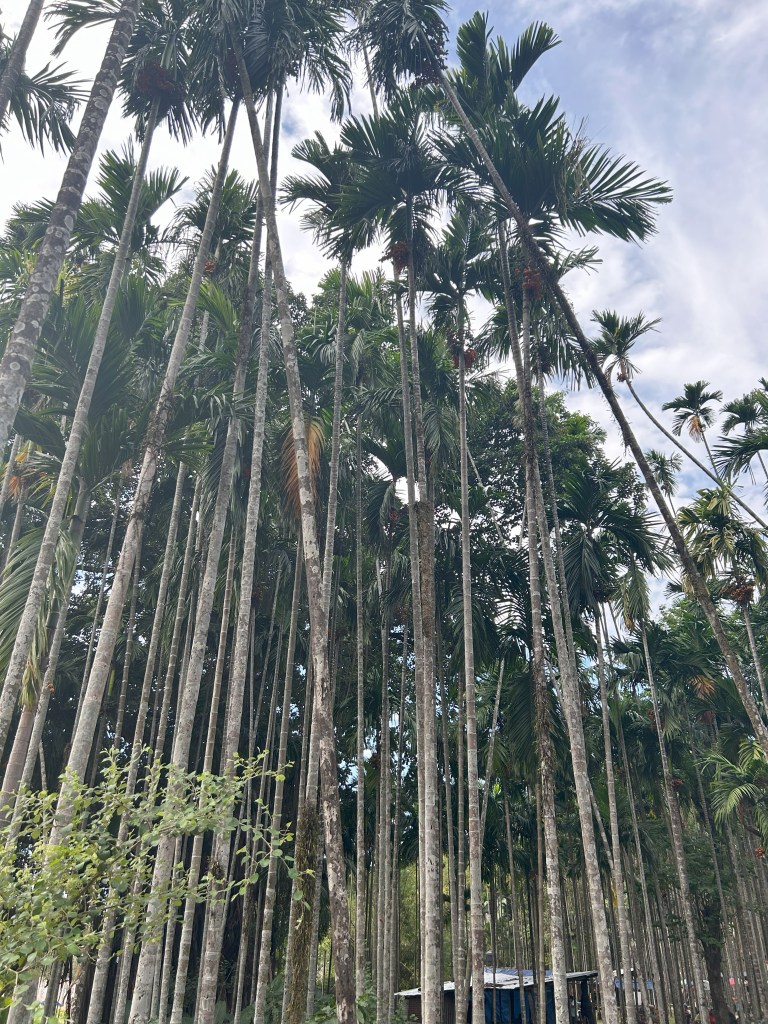
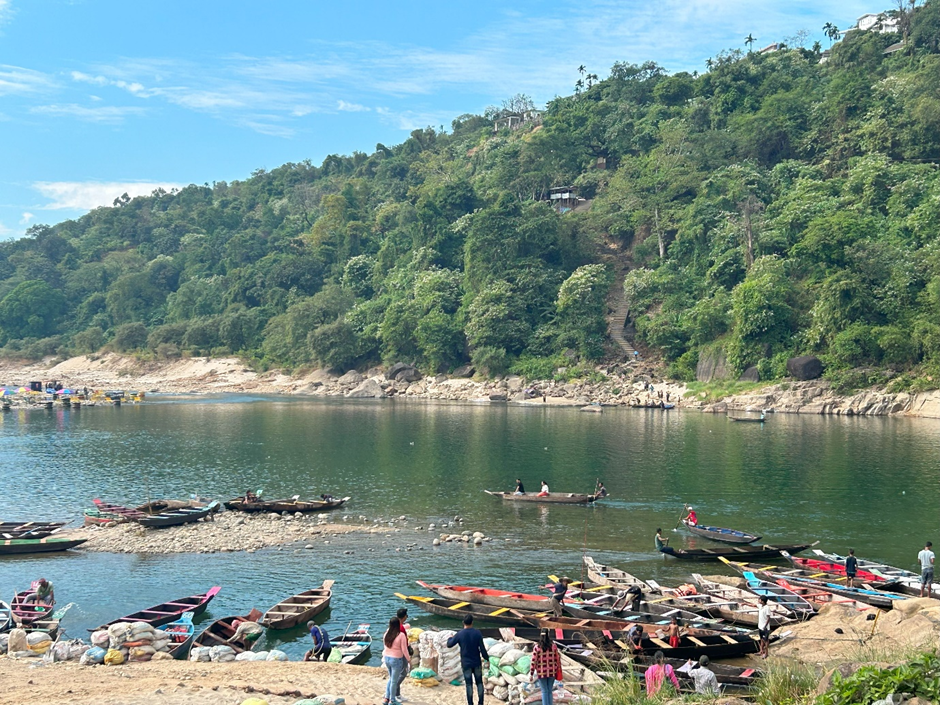
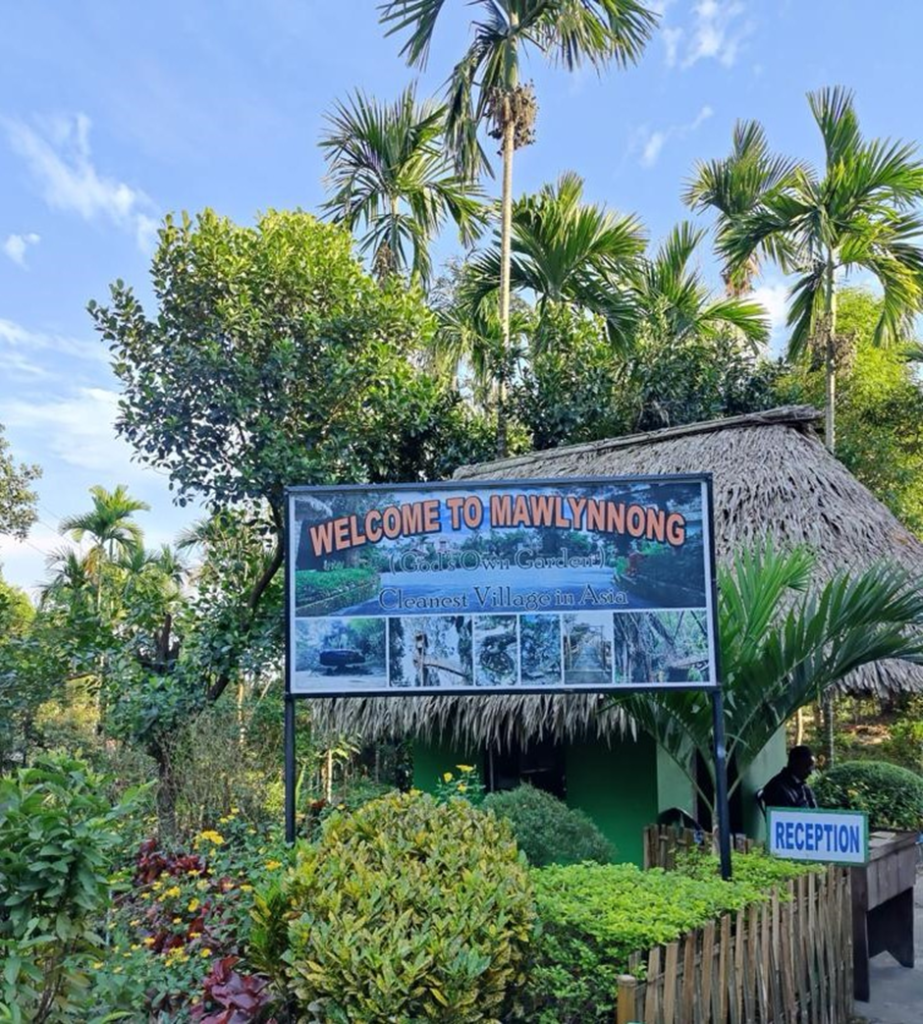

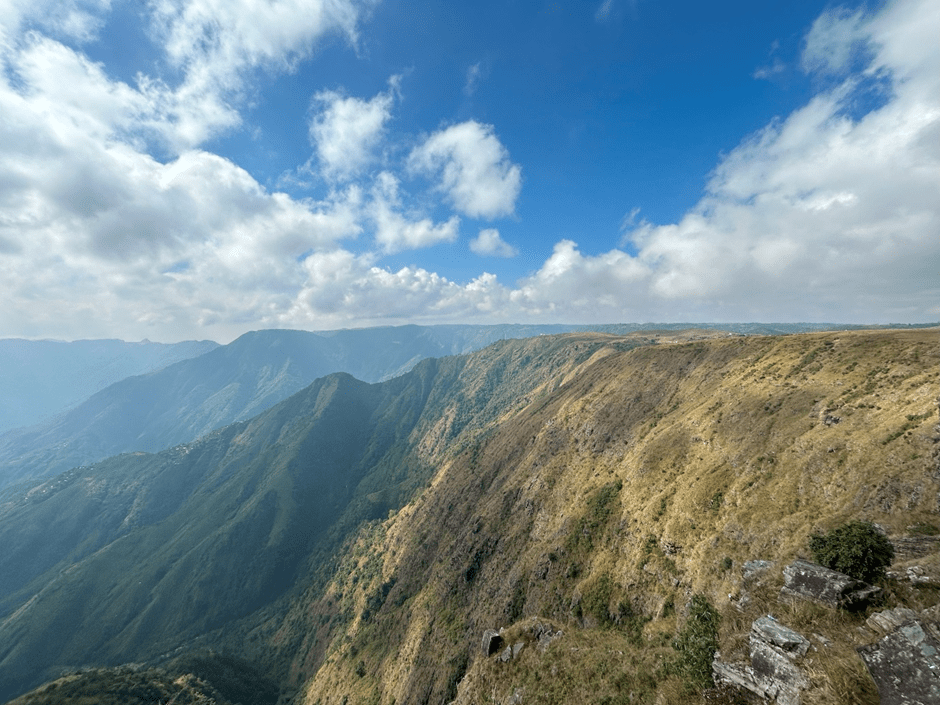

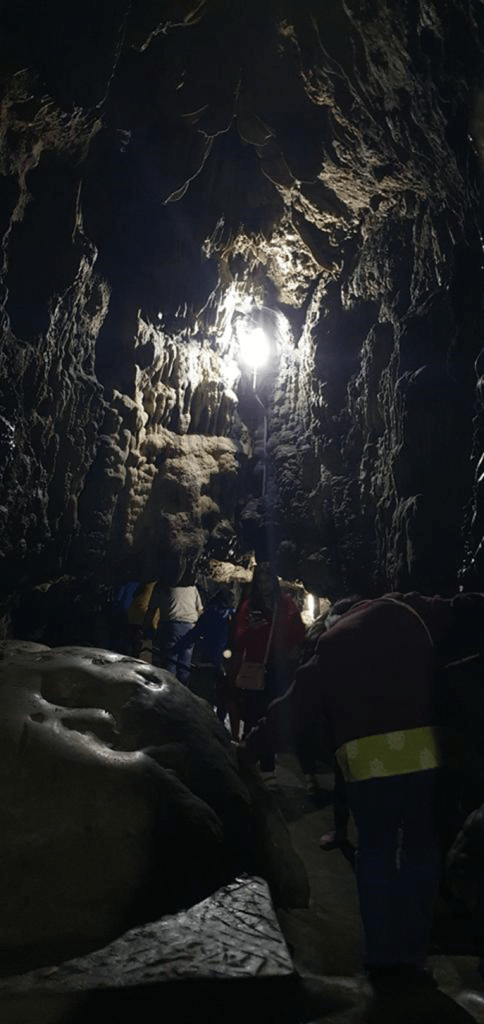
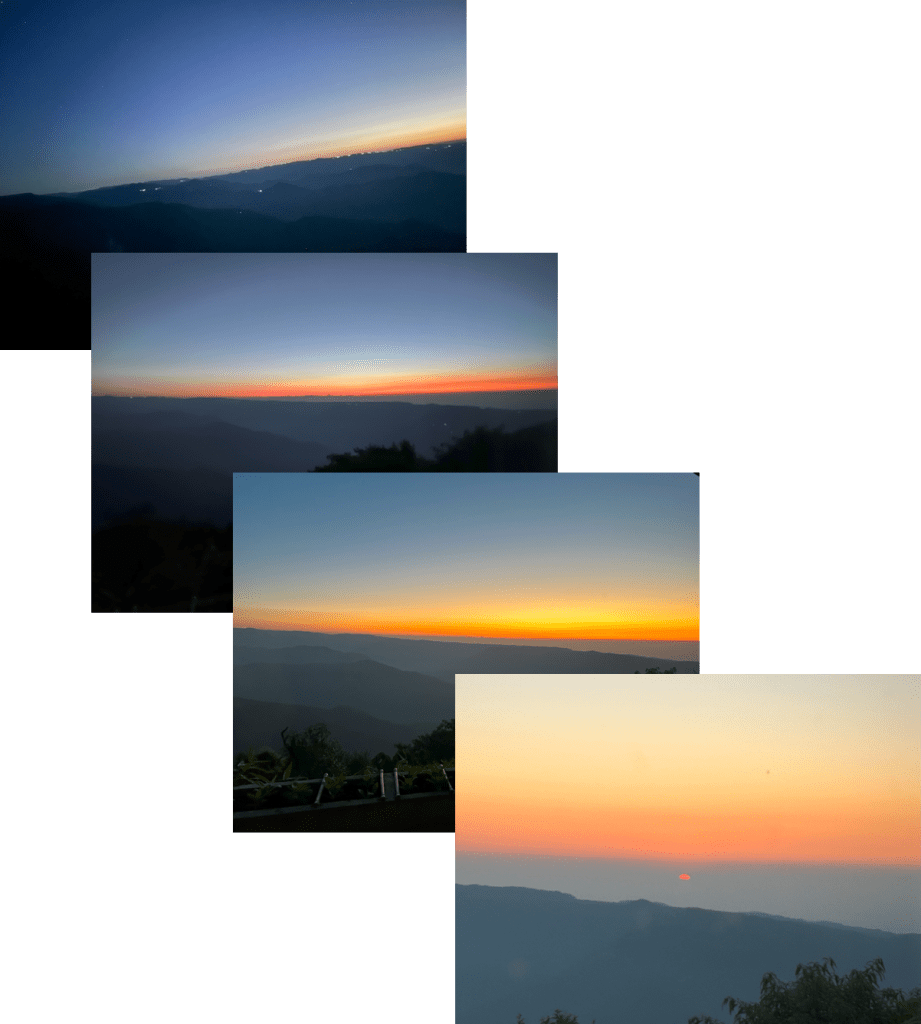
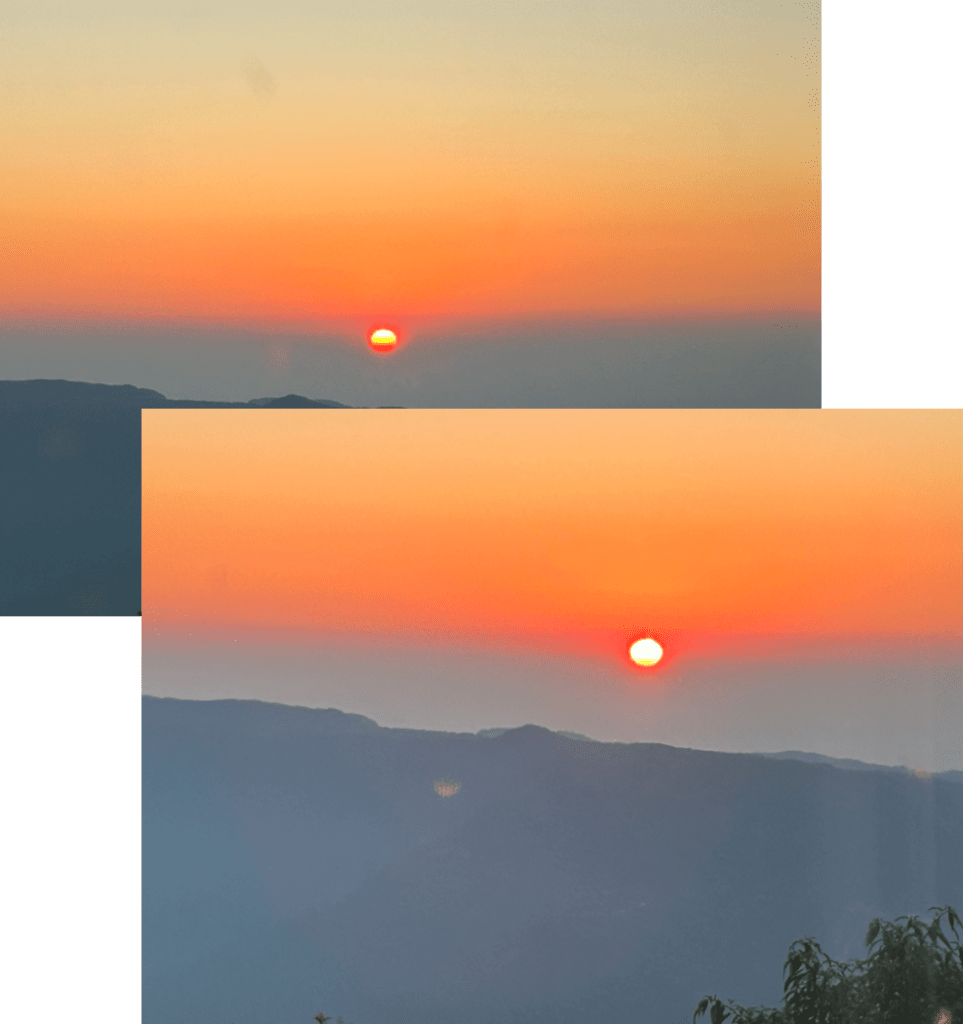
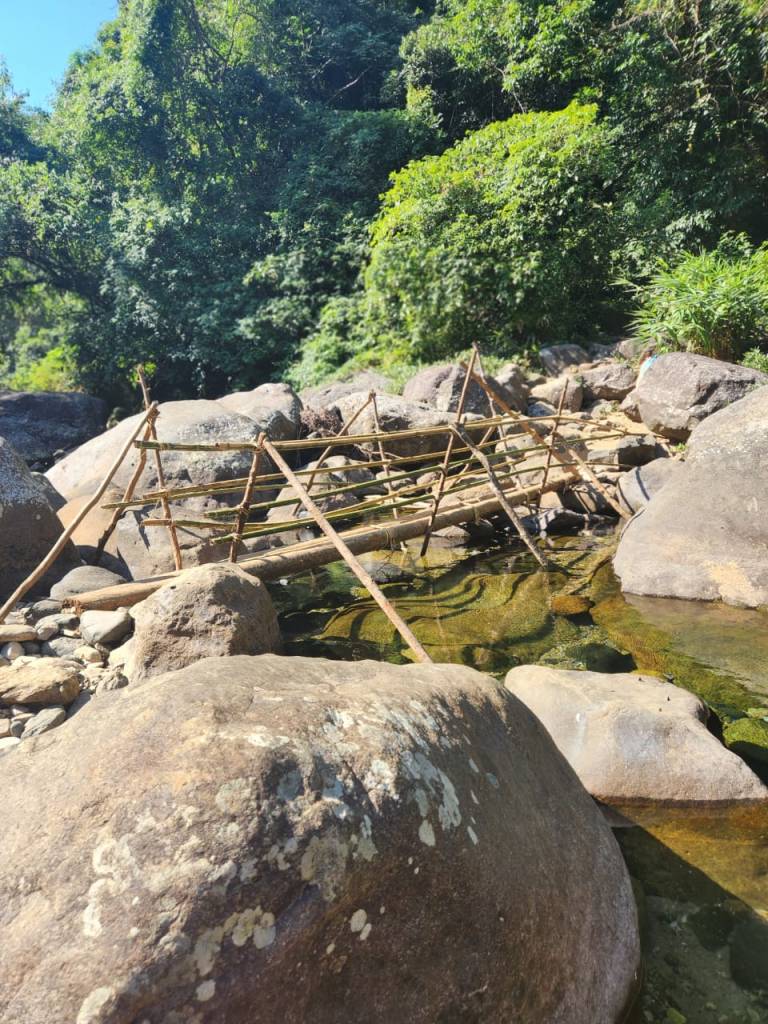
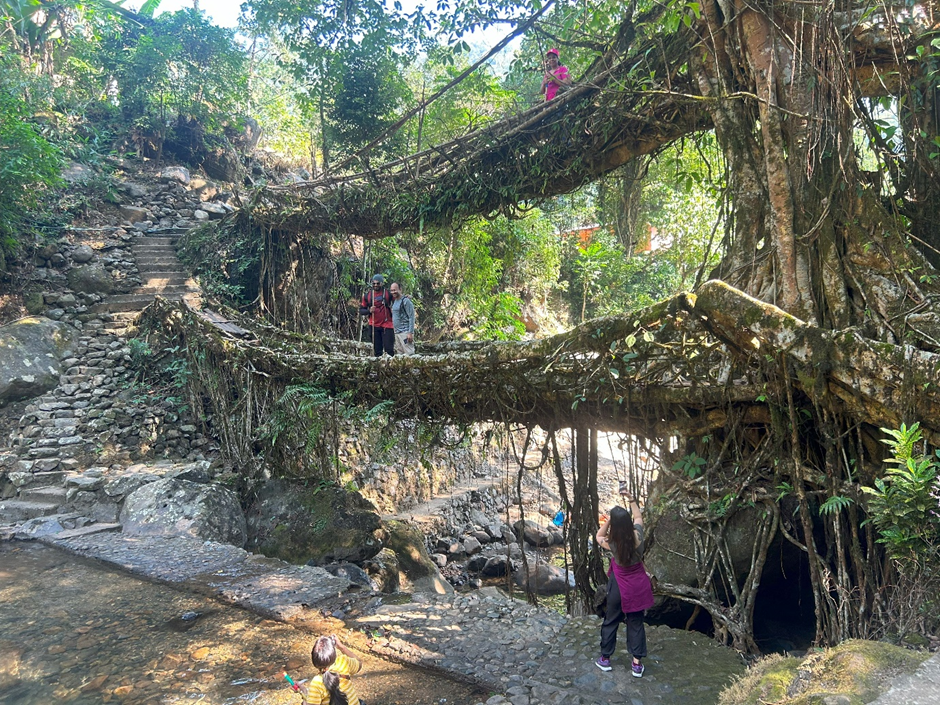
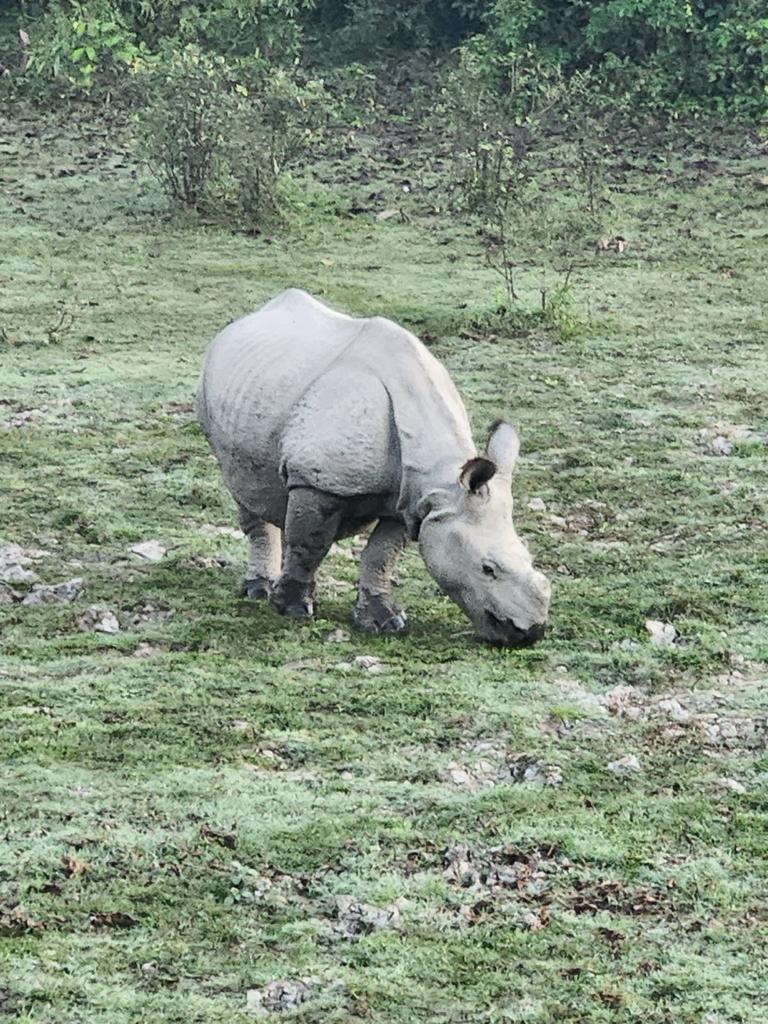
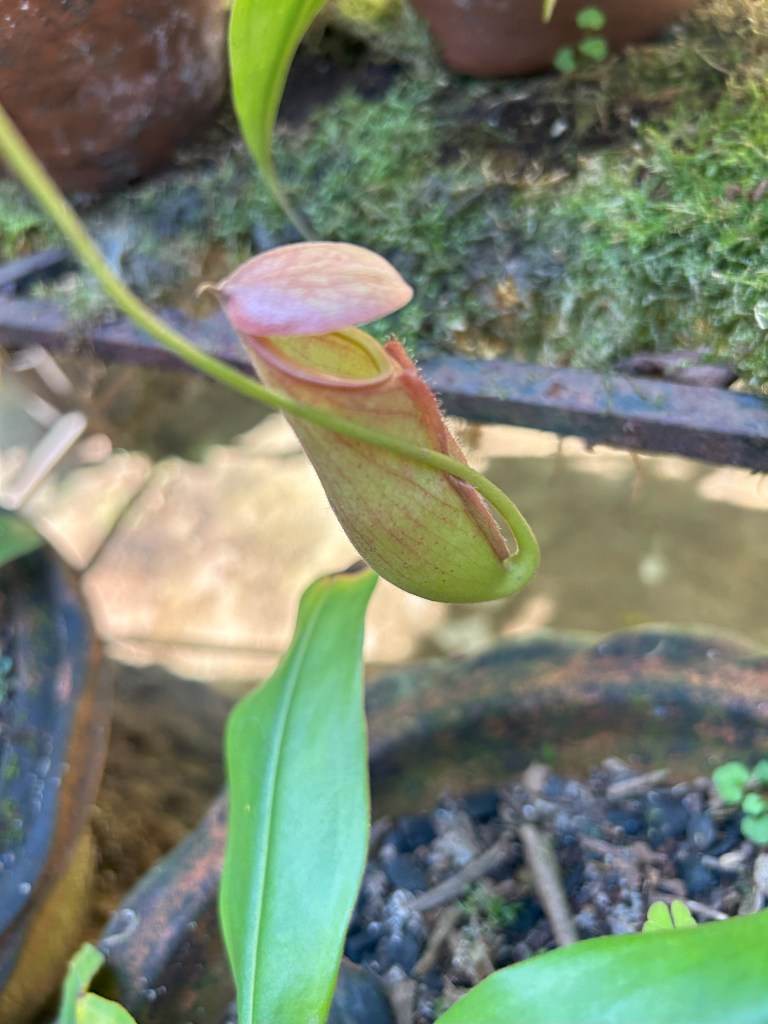
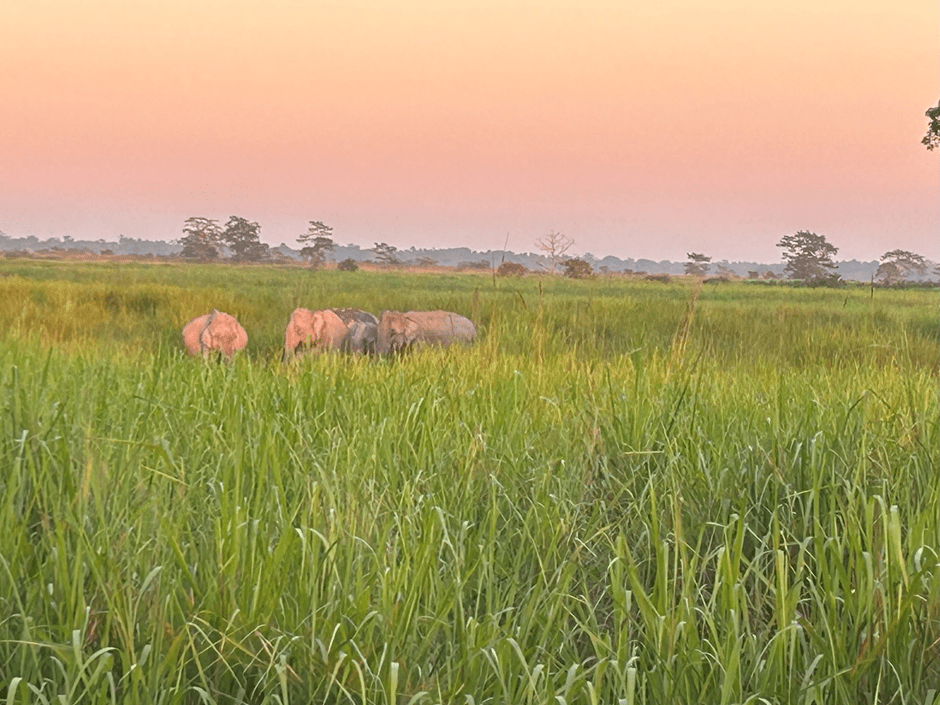
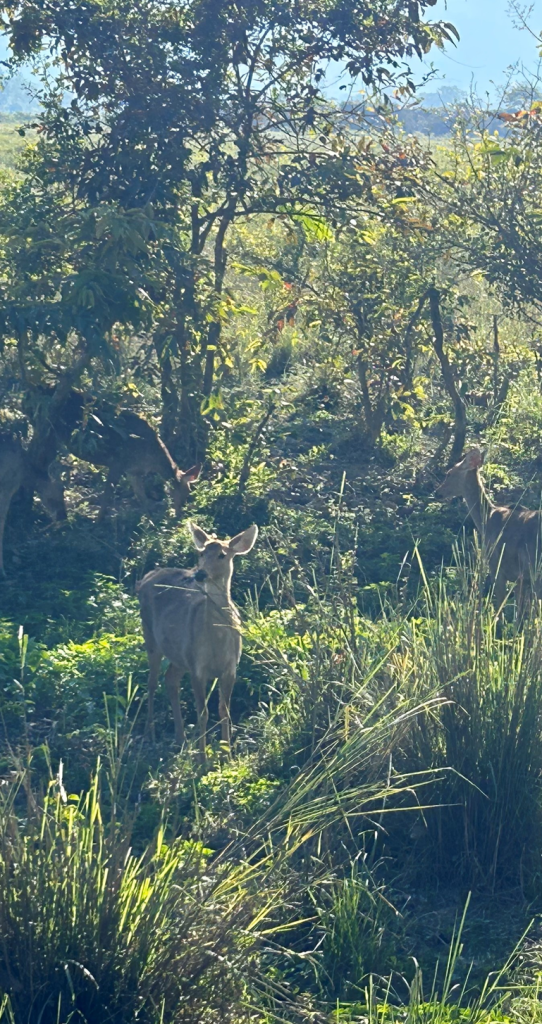
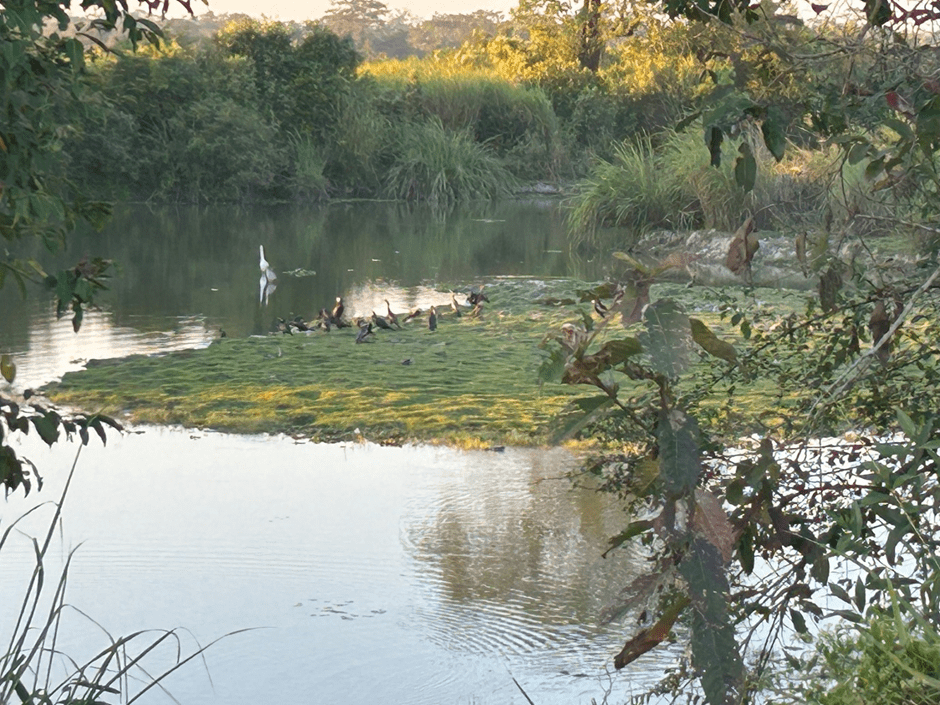
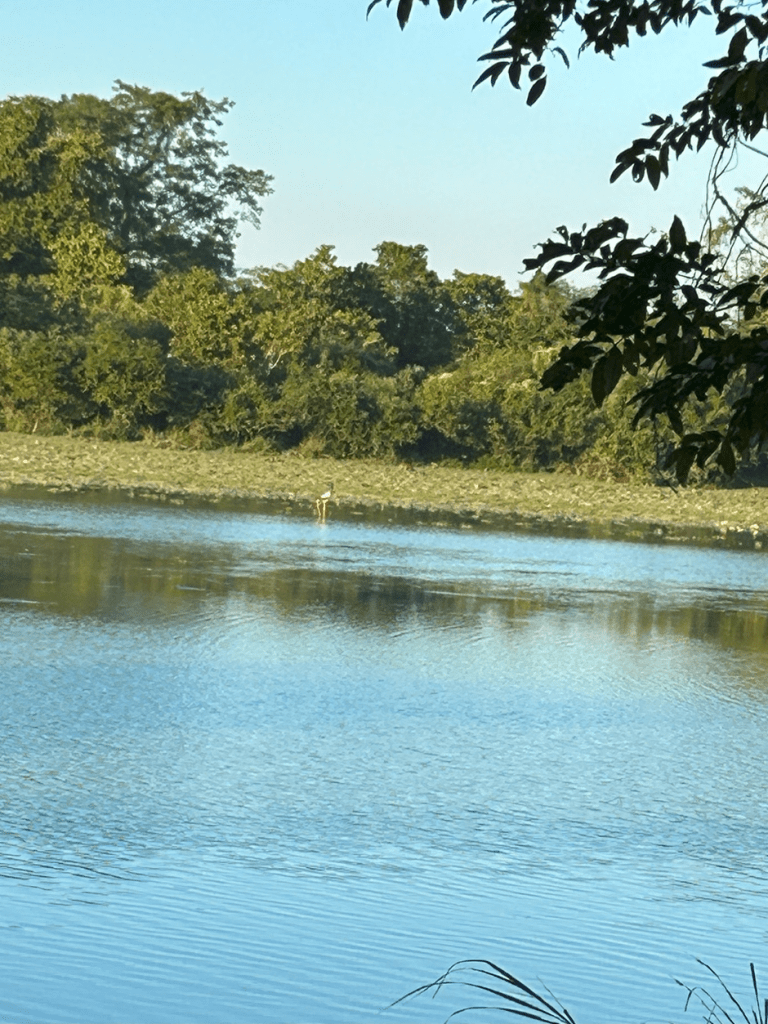

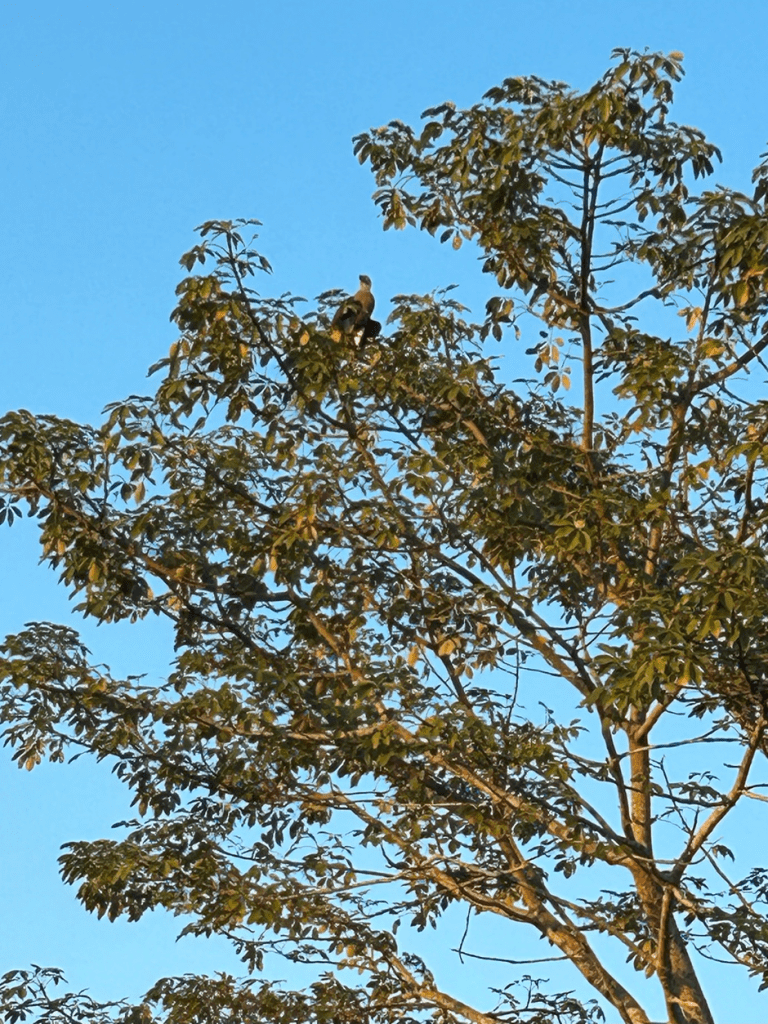
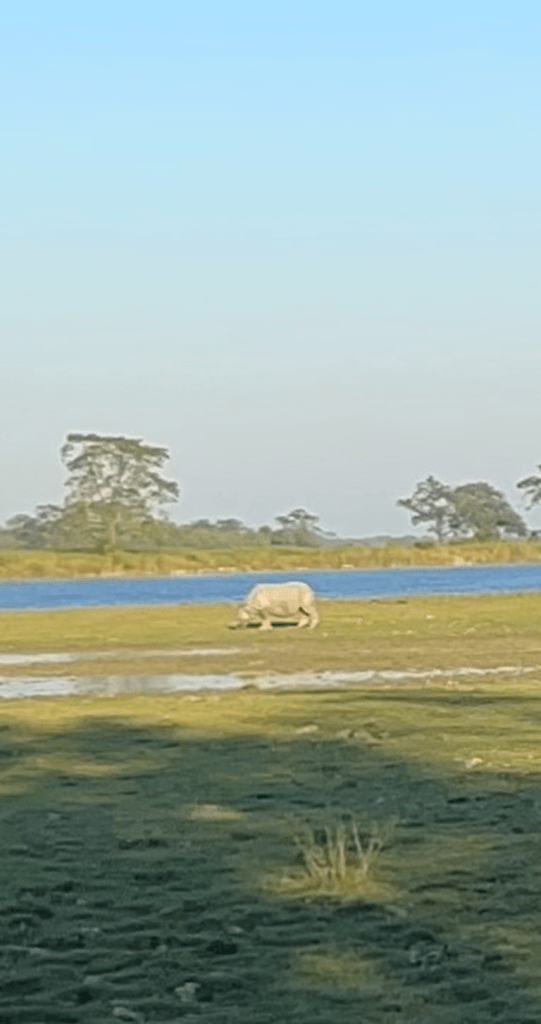
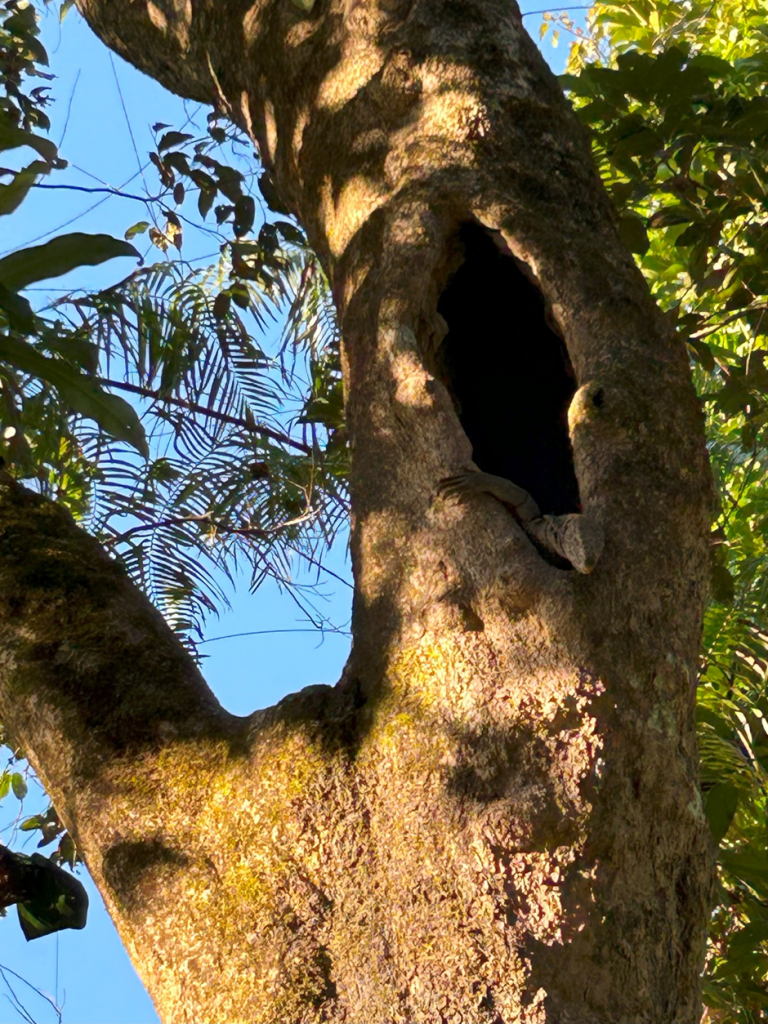
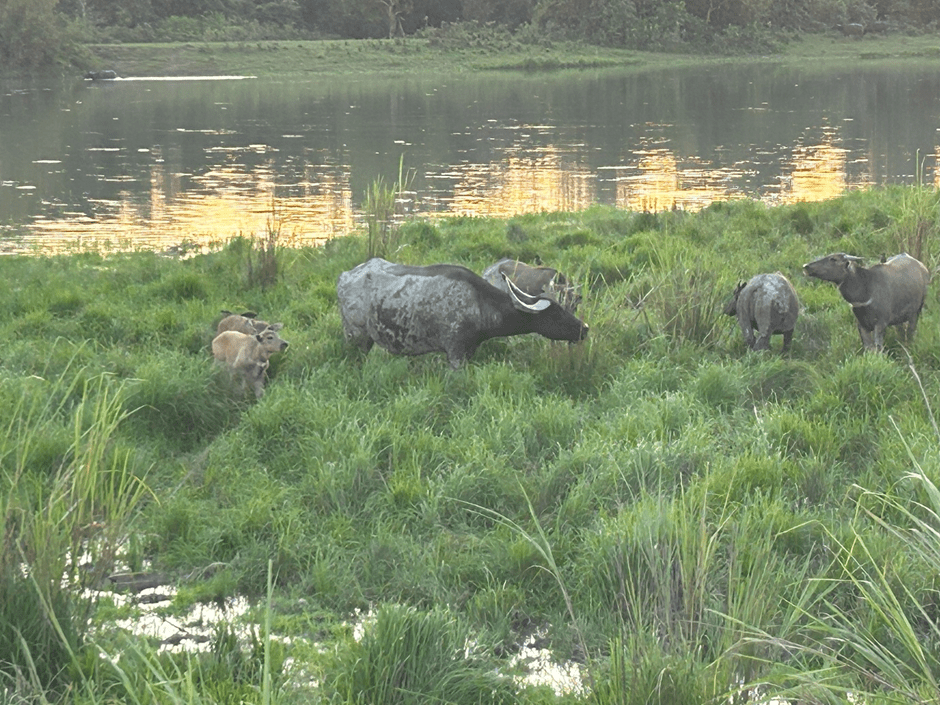

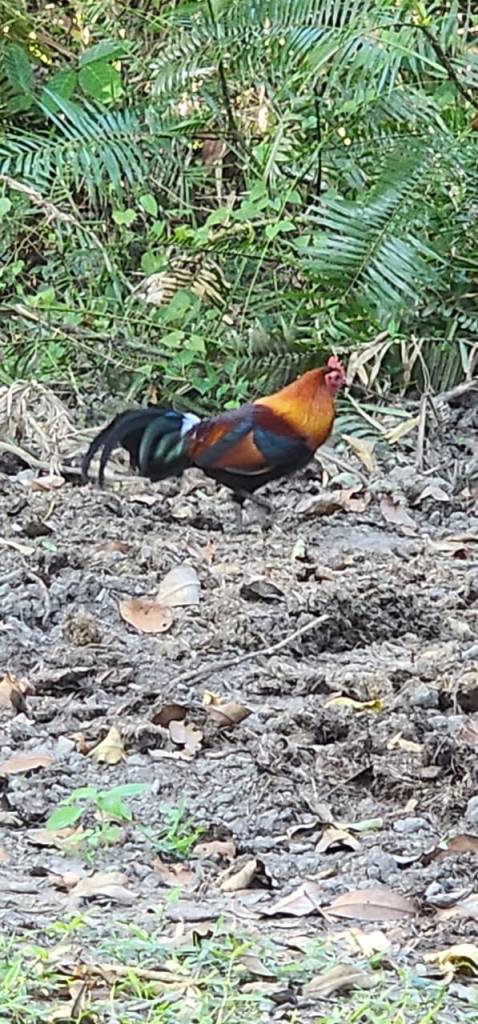
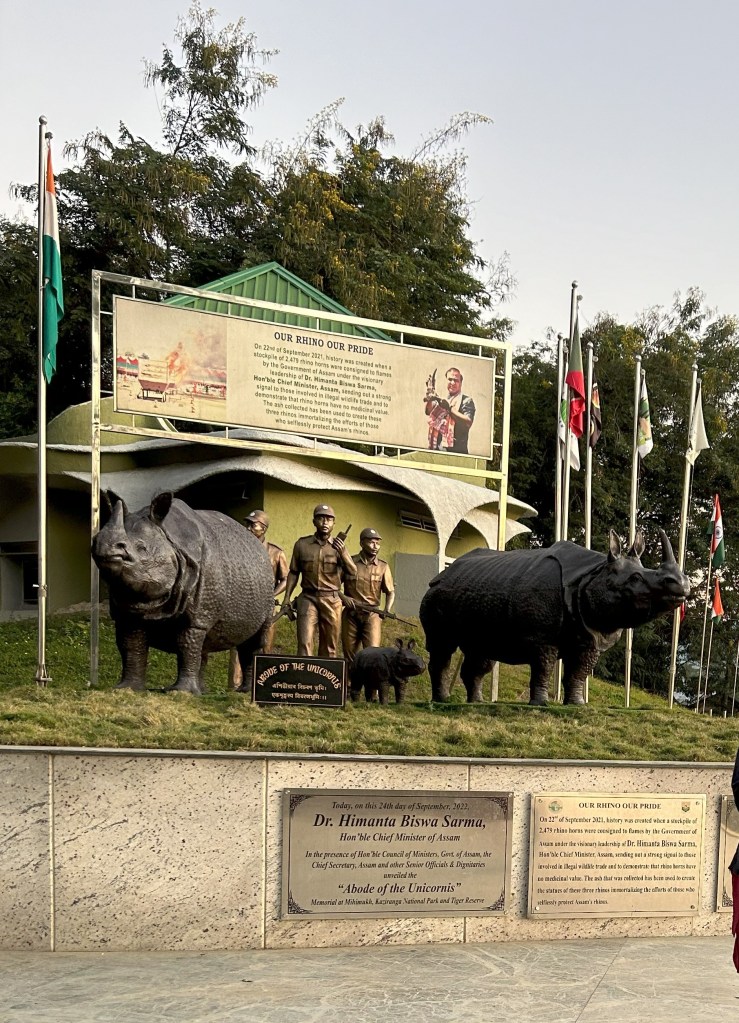
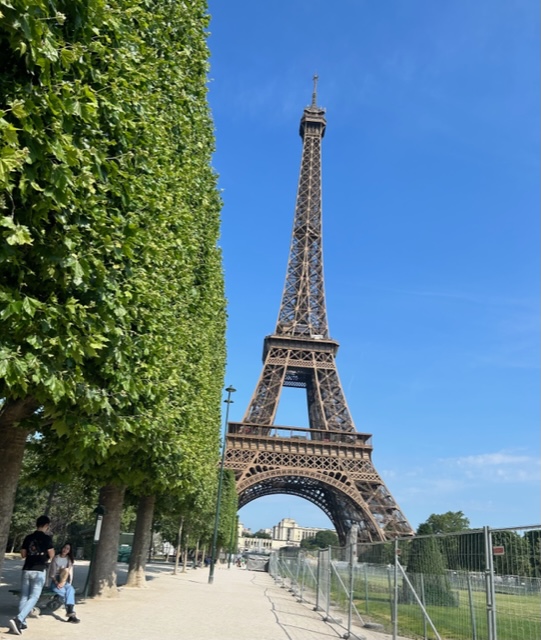
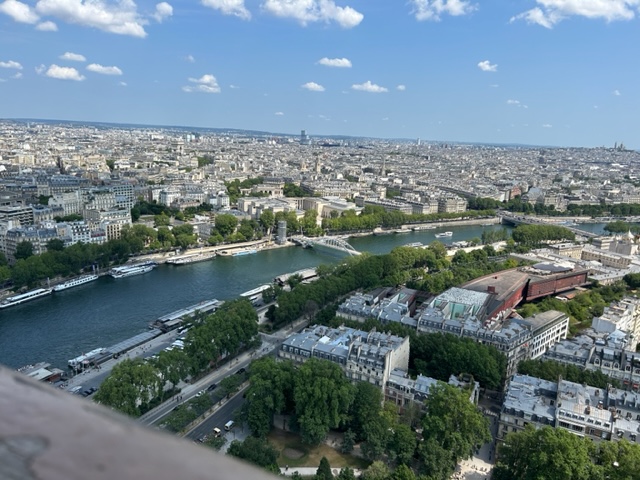
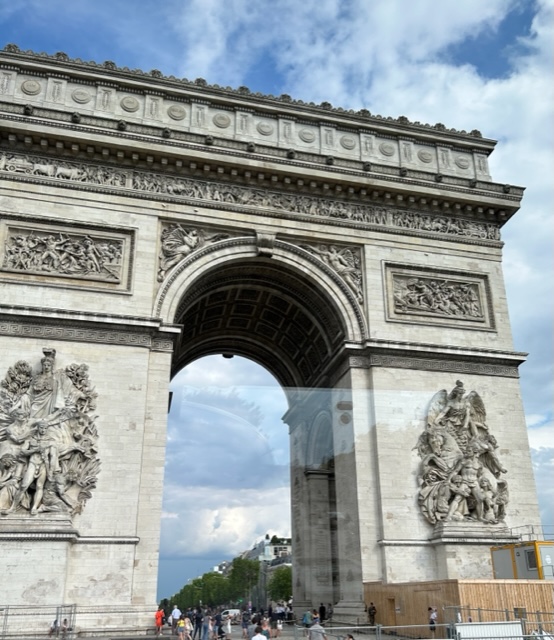

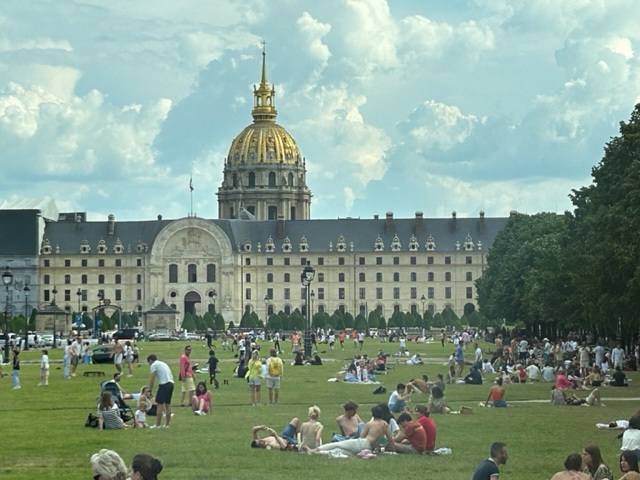

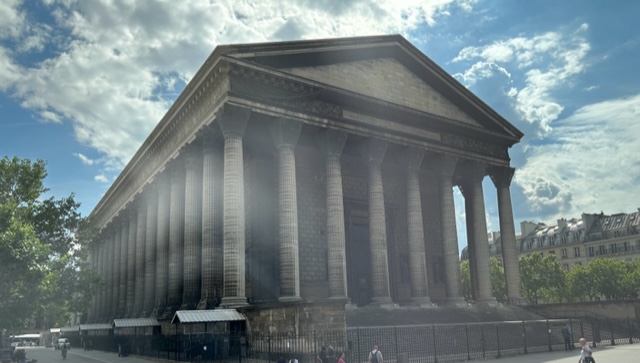
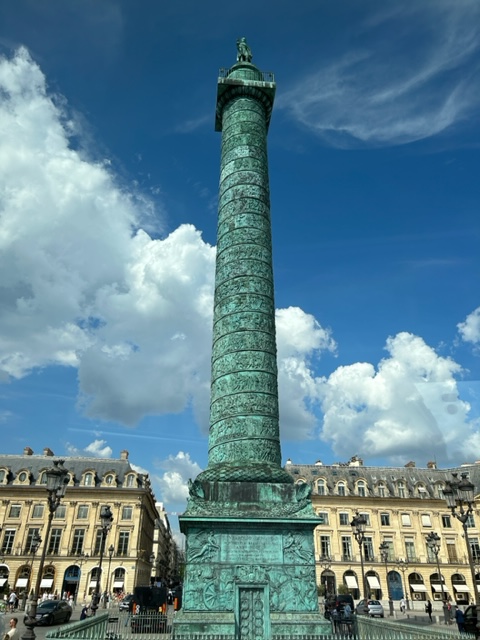
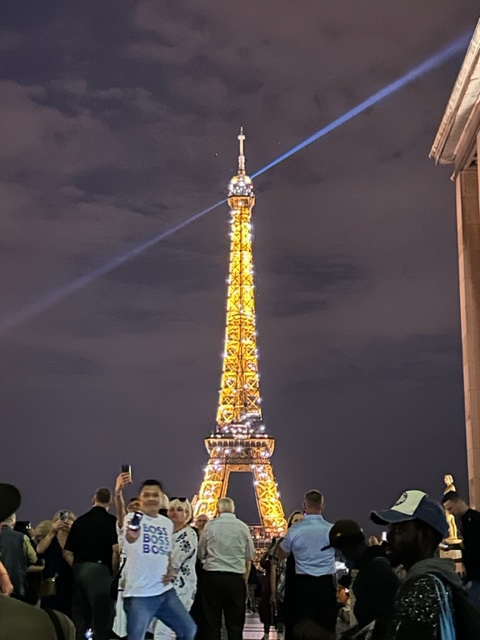
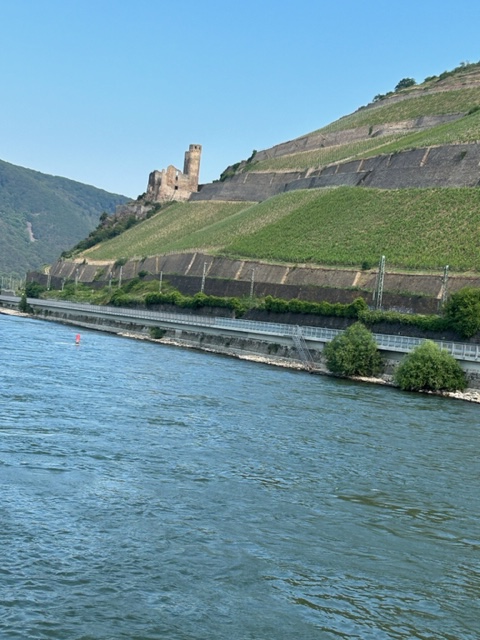


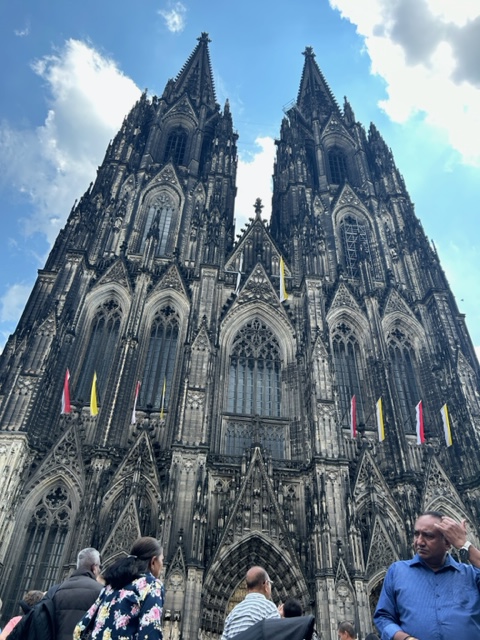

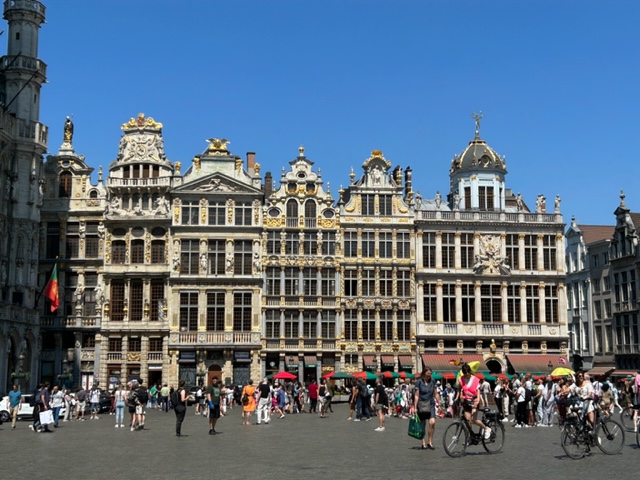
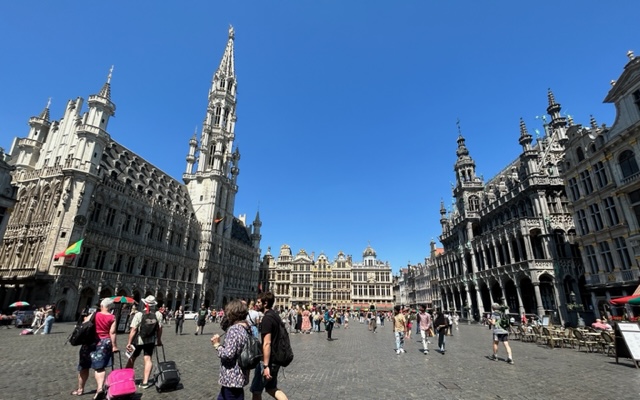
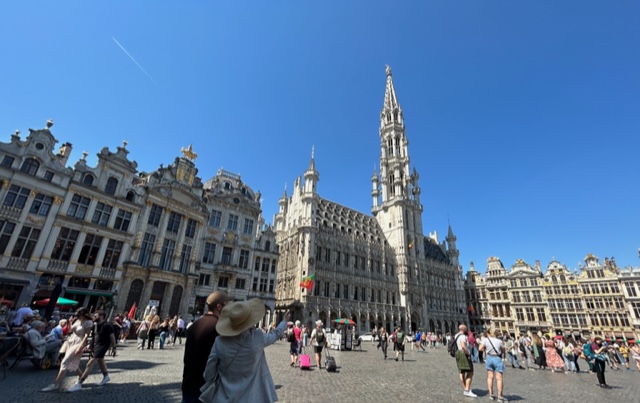
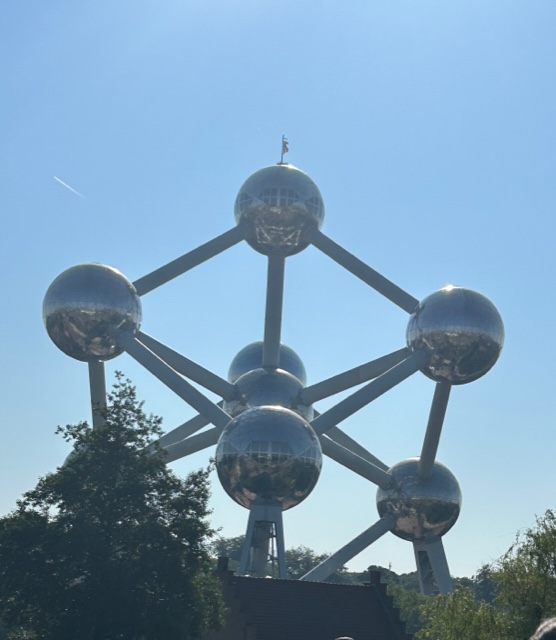
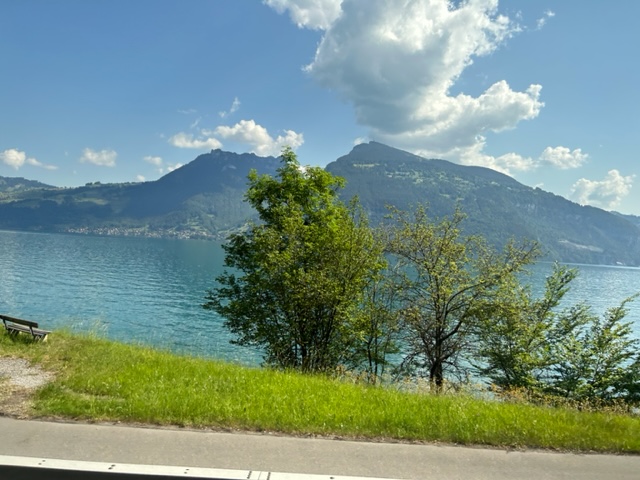
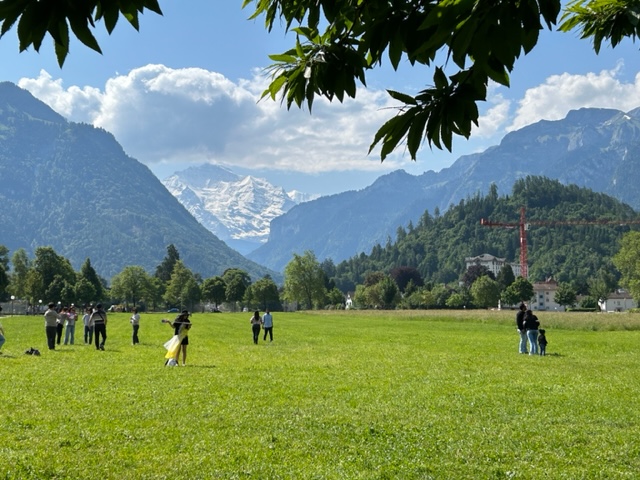
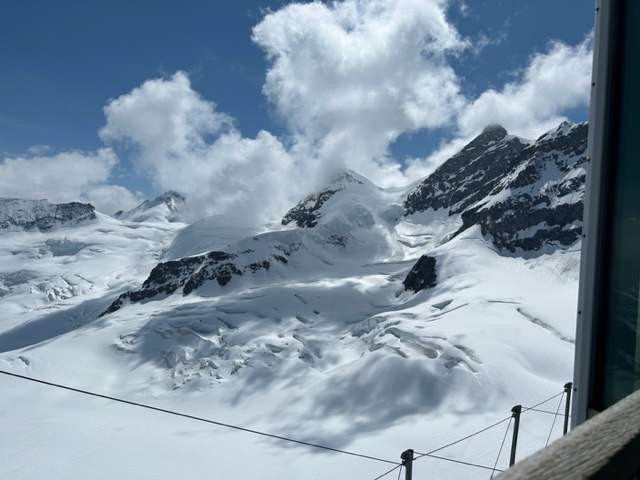
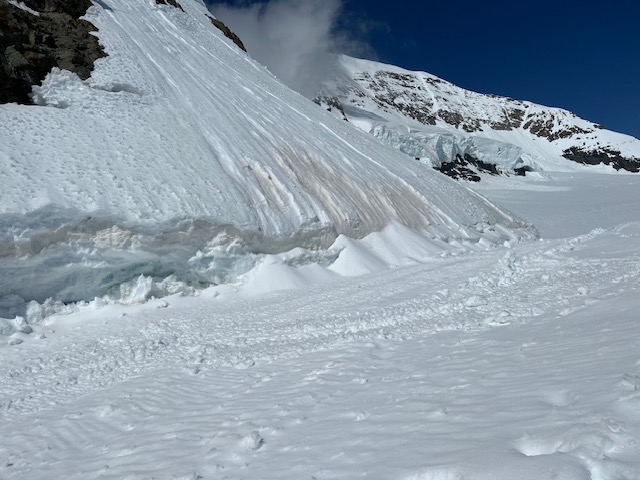
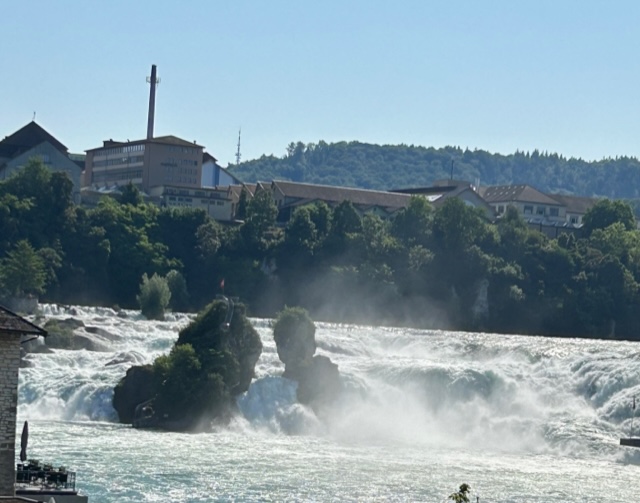
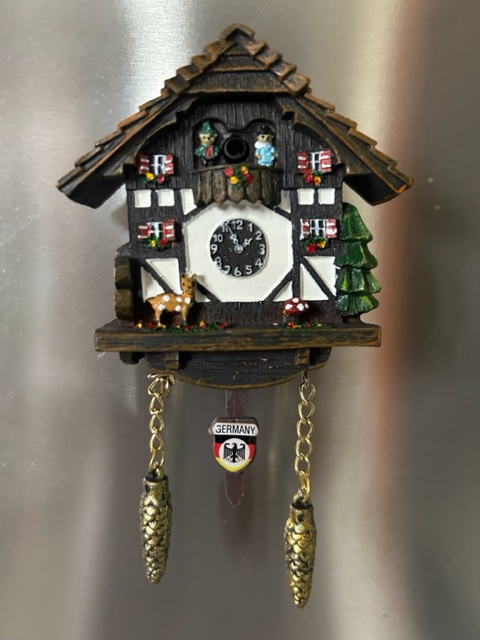
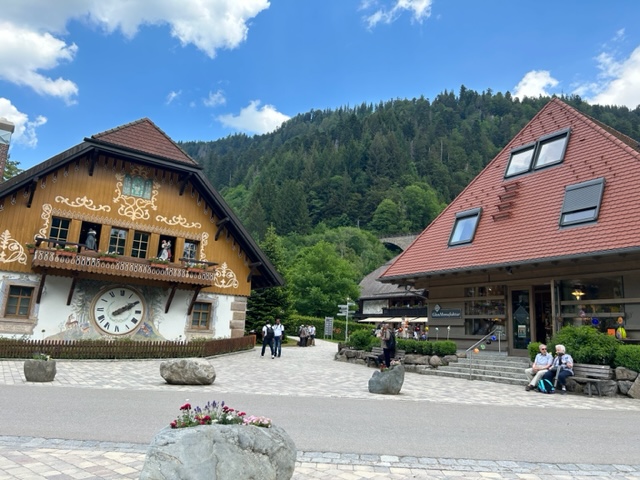
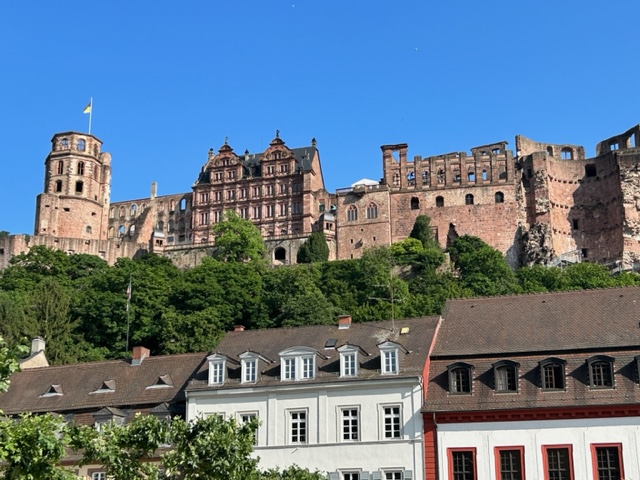
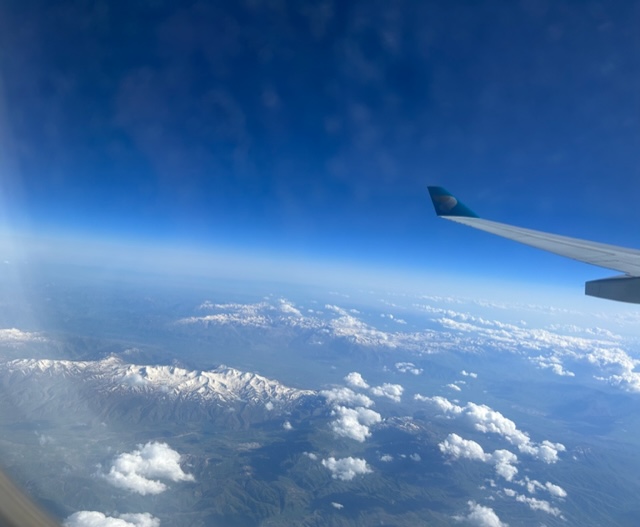
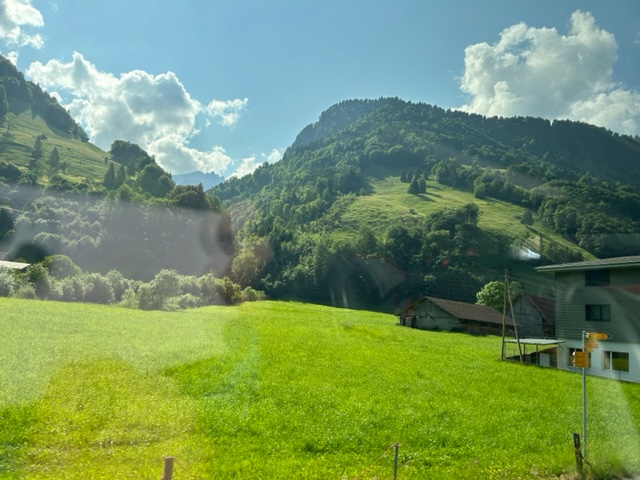


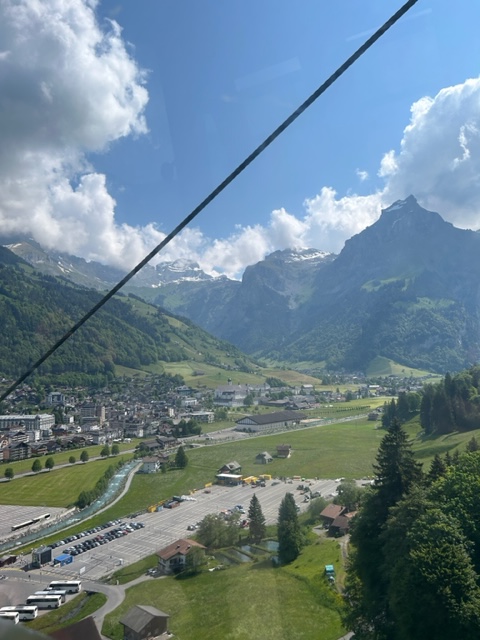

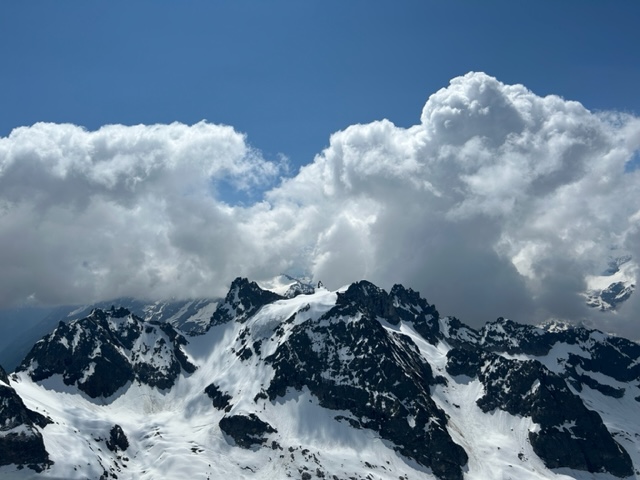
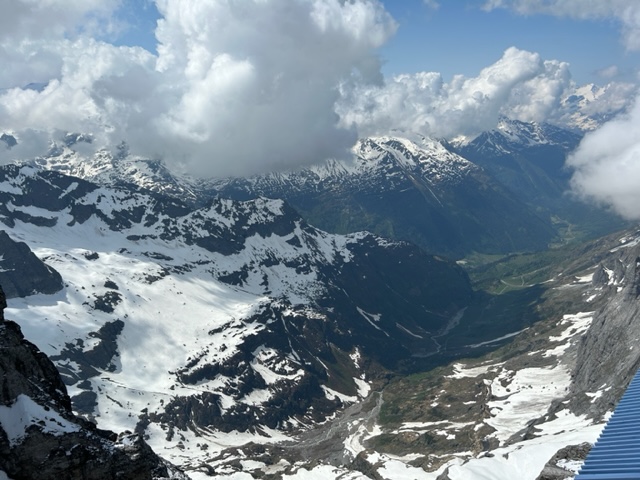


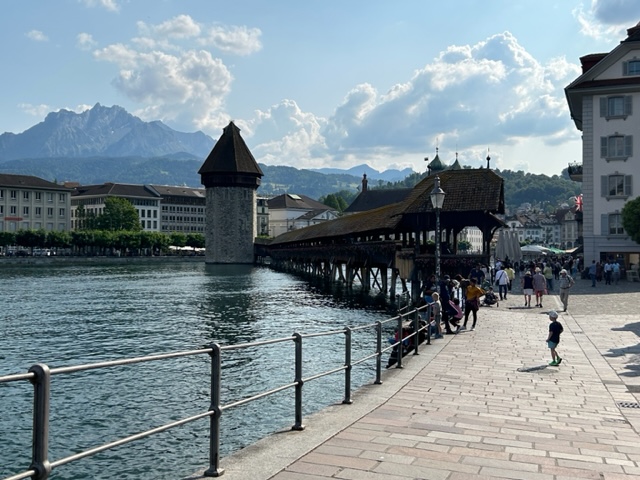

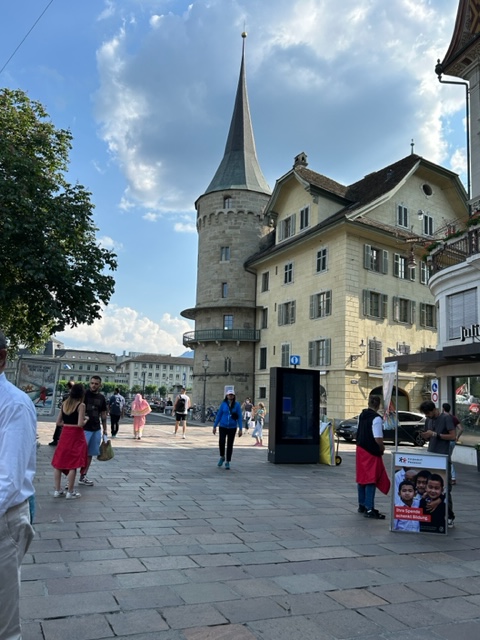
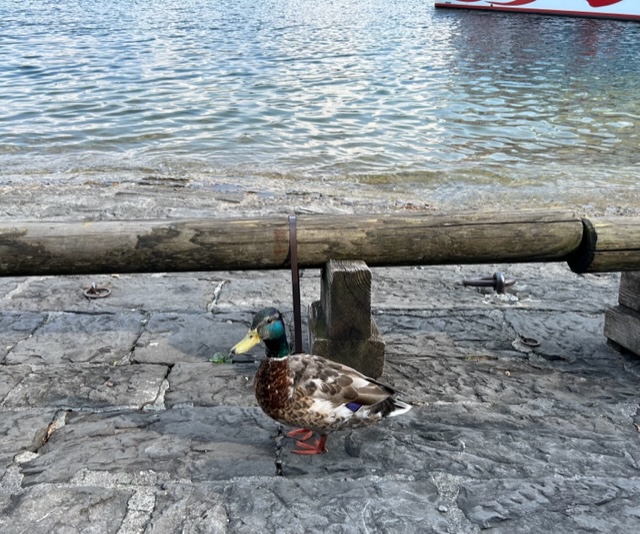
 TheEbbandFlow